



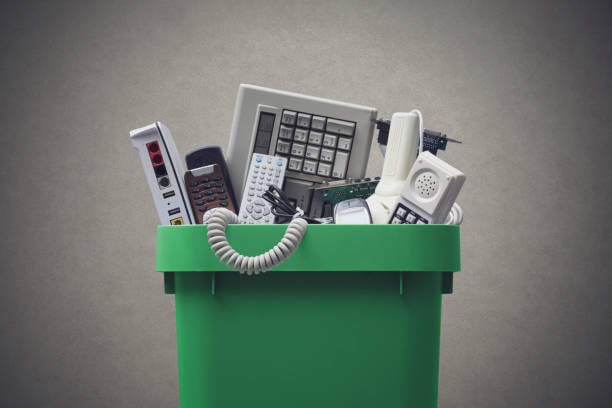
Businesses retire computers, servers, networking equipment, printers, monitors, and other electronic assets as technology needs evolve. However, disposing of this equipment responsibly requires more than arranging a collection or sending it to a recycling facility. Organizations must consider how recyclers handle sensitive data, manage hazardous materials, protect workers, recover usable resources, and oversee downstream processing.
Certified electronics recycling gives businesses a way to evaluate these practices against recognized standards and independent audits. It helps sustainability teams assess environmental performance while giving compliance officers and IT leaders greater visibility into how retired equipment is managed.
At E-XPIRE, we recognize that responsible electronics disposal must account for data security, material recovery, and proper asset handling. Understanding what certification covers can help businesses make better decisions about their e-waste recycling services and build a more accountable IT asset management strategy.
Why Businesses Need Certified Electronics Recycling
Electronic equipment contains valuable materials, but it can also include components that require careful handling. Batteries, circuit boards, displays, and other parts may contain substances that can create environmental or health risks when handled improperly. Devices may also retain confidential information long after employees stop using them.
The scale of the problem makes responsible processing important. According to the U.S. Environmental Protection Agency’s assessment of the U.S. recycling system, the United States generates an estimated 6.7 million tons of electronic waste, but only 16% is captured for recycling. This gap highlights the importance of establishing reliable processes for collecting, reusing, and recovering electronic equipment.
For businesses, certified recycling can help address several operational priorities:
- Data protection: Establishes expectations for handling devices that may contain sensitive business or customer information.
- Environmental responsibility: Supports controlled processing, material recovery, and reduced environmental harm.
- Worker health and safety: Encourages safer practices when handling, dismantling, and processing electronics.
- Accountability: Provides independent assessment of a facility’s practices against a recognized standard.
- Resource recovery: Encourages suitable equipment to be reused or refurbished before its remaining materials enter recycling streams.
Rather than relying solely on a recycler’s assurances, businesses can use certification as one part of their due diligence.
1. Understand the Main Electronics Recycling Certifications
Not every electronics recycling facility follows the same operating practices. Certification standards establish defined requirements and provide a framework for assessing how facilities manage used electronics.
In the United States, the EPA identifies two accredited certification standards for electronics recyclers: Responsible Recycling (R2) and e-Stewards. Both use independent third-party auditing to evaluate environmental, worker health and safety, and security practices.
R2 Certification
The R2 Standard, administered by Sustainable Electronics Recycling International (SERI), provides requirements for responsible management of used electronics. Its current R2v3 framework covers areas such as environmental protection, health and safety, data security, reuse, and downstream processing.
R2v3 also includes process-specific requirements for activities such as:
- Downstream recycling management: Controls how materials move through additional processing facilities.
- Data sanitization: Establishes requirements for logical data sanitization and enhanced physical sanitization.
- Testing and repair: Covers the assessment and verification of equipment intended for reuse.
- Materials recovery: Addresses dismantling and recovery of materials from electronics.
The applicable requirements depend on the activities a facility performs. Businesses should therefore review the facility’s actual certification scope rather than assuming that every R2-certified location offers every specialized service.
e-Stewards Certification
The e-Stewards Standard focuses on responsible electronics reuse and recycling, with requirements addressing environmental protection, worker safety, data security, and the handling of electronic waste.
It provides another recognized framework businesses can consider when evaluating recycling facilities. Organizations should check the current certification status and scope to understand which operations the facility is qualified to perform.
Why the Difference Matters
A certification logo alone does not explain every service a recycler can provide. For example, a business that needs secure data sanitization should verify the facility’s relevant capabilities, while an organization handling large volumes of end-of-life equipment may need to understand its material recovery arrangements.
The U.S. EPA’s guidance on certified electronics recyclers recommends that businesses, governments, and large purchasers use certified recyclers to manage unwanted electronics. This gives procurement and compliance teams a recognized starting point when assessing recycling arrangements.
2. How Certification Improves Recycling Quality
Responsible recycling involves a controlled sequence of activities. A facility must identify incoming equipment, assess its condition, determine whether it can be reused, and direct unsuitable items toward appropriate material recovery processes.
Certification helps establish expectations for how these activities should be managed. It also encourages facilities to document their procedures and demonstrate that they follow defined requirements.
Businesses should pay attention to several areas when assessing recycling quality.
Equipment Assessment and Reuse
Not every retired electronic device has reached the end of its useful life. Computers, monitors, servers, and other equipment may remain functional even when they no longer meet an organization’s requirements.
A responsible process evaluates equipment for potential repair, refurbishment, redeployment, or resale before treating it as waste. This can extend product life and reduce demand for newly manufactured equipment.
Safe Dismantling and Material Separation
Equipment that cannot be reused may require dismantling. Different components need suitable handling to support material recovery and reduce the risk of environmental contamination.
A well-managed process should account for items such as:
- Circuit boards and electronic components
- Batteries and power supplies
- Metal housings and structural parts
- Cables, connectors, and wiring
- Displays and other specialized components
The facility should also have appropriate procedures for materials that require additional treatment or cannot be recovered through its own operations.
Downstream Processing Controls
A recycling facility may not perform every activity at its own location. It may transfer certain materials to specialized downstream partners for further processing.
This makes downstream oversight an important part of recycling quality. Businesses should understand how materials are transferred, which parties handle them, and how the recycling chain maintains appropriate controls until final disposition.
3. Certification Strengthens Data Security
Business electronics can retain sensitive information even after employees delete files or remove devices from active networks. Storage drives, mobile devices, servers, and other equipment may contain customer records, financial information, employee details, proprietary documents, and access credentials.
If a recycler does not follow appropriate data handling procedures, these assets can create security risks after leaving the organization’s premises.
Verify Data Sanitization Capabilities
Businesses should confirm how a recycling facility handles data-bearing devices. Depending on the equipment and intended outcome, appropriate methods may include:
- Logical data sanitization: Uses approved processes to make stored information inaccessible while potentially allowing the device to remain usable.
- Cryptographic erasure: Uses supported encryption methods to render encrypted data inaccessible by sanitizing the relevant keys.
- Physical destruction: Destroys storage media when reuse is unsuitable or secure sanitization cannot be established.
The correct method depends on the storage technology, information sensitivity, and applicable security requirements.
Request Documentation
A reliable data handling process should provide appropriate records for completed work. Businesses may need asset identifiers, processing details, sanitization methods, destruction records, and certificates of data destruction.
These documents help IT and compliance teams demonstrate that retired equipment passed through defined security procedures.
At E-XPIRE, we consider secure handling an essential part of responsible IT asset disposition. Data protection should remain a priority throughout the equipment retirement process, not an afterthought once devices reach a recycling facility.
4. Improve Environmental Responsibility and Sustainability Reporting
Sustainability teams need more than a general statement that electronic waste has been recycled. They need to understand what happened to retired equipment, how much was reused, which materials were recovered, and whether the process followed appropriate environmental practices.
Certified electronics recycling can support this work by establishing documented processes and independent oversight.
SERI’s reporting on the 2024 impact of R2-certified facilities found that participating facilities processed more than 657,000 metric tons of electronics. Of that total, 75% by weight was recycled, while the remaining 25% represented more than 92 million whole electronic devices and over 27 million components reused. These figures from SERI’s R2 certification impact report illustrate how reuse and recycling can contribute to more responsible electronics management.
For businesses, this approach can support sustainability initiatives in several ways:
- Waste reduction: Divert suitable equipment and materials from disposal.
- Resource conservation: Recover materials that can re-enter manufacturing supply chains.
- Circular economy practices: Extend the useful life of products through testing, repair, and refurbishment.
- Environmental oversight: Improve visibility into how electronics are processed.
- ESG documentation: Support internal sustainability reporting with relevant records and processing information.
Certification does not automatically guarantee a specific environmental outcome for every shipment. Businesses should still request clear reporting on the equipment they send for processing and understand how the recycler measures reuse, recycling, and final disposition.
5. What Businesses Should Check Before Selecting a Recycling Facility
Choosing an appropriate recycling facility requires more than comparing collection prices. Businesses should evaluate whether the facility’s certification, operational scope, security controls, and reporting capabilities match their requirements.
Use the following considerations during procurement and vendor assessments.
Confirm Current Certification Status
Check whether the facility holds a valid certification under a recognized standard. Verify the facility’s name and location against the relevant certification directory rather than relying only on a website logo or sales material.
Review the Certification Scope
A certificate should identify the activities covered by the facility’s certification. Confirm that the scope matches the services you need, such as data sanitization, equipment refurbishment, or materials recovery.
Understand the Downstream Network
Ask whether the facility processes materials internally or transfers them to other organizations. If downstream partners are involved, understand how the facility qualifies, monitors, and documents those relationships.
Examine Data Security Procedures
Find out how the facility identifies data-bearing equipment, protects it during transportation and processing, and documents sanitization or destruction. Confirm whether its capabilities match your organization’s information security requirements.
Request Environmental and Processing Records
Ask what reports are available after collection and processing. Useful documentation may include asset inventories, reuse and recycling summaries, data destruction certificates, and records of final disposition.
Check Operational Capacity
Large enterprises may retire substantial volumes of equipment across several offices, warehouses, or data centers. The facility should be able to explain how it manages collection schedules, equipment volumes, secure transportation, and processing timelines.
These checks help organizations assess electronic waste recycling companies based on verifiable practices rather than broad environmental claims.
6. Integrate Certified Recycling Into Your E-Waste Management Policy
Recycling decisions become more consistent when businesses establish clear procedures before equipment reaches the end of its useful life. An effective e-waste management policy should define responsibilities, documentation requirements, security controls, and approved disposal routes.
A practical policy can include:
- Asset identification: Maintain an inventory of electronic equipment, including ownership, location, and asset identifiers.
- Retirement assessment: Determine whether equipment can be redeployed, refurbished, resold, or recycled.
- Data protection: Establish sanitization and destruction requirements for data-bearing devices.
- Recycler qualification: Define certification and due diligence requirements for facilities handling retired electronics.
- Collection and transportation: Set procedures for secure collection, transfer records, and equipment tracking.
- Final reporting: Retain relevant processing records and review recycling outcomes against business objectives.
Organizations should also review their approved recycling arrangements periodically. Changes in equipment types, data security requirements, facility capabilities, or environmental policies may require updates to existing procedures.
For enterprises operating across multiple locations, a consistent policy can help teams follow the same standards while accounting for local collection and processing requirements.
How E-XPIRE Supports Responsible Electronics Disposition
At E-XPIRE, we support businesses managing retired IT assets through services that address secure data destruction, electronics recycling, asset recovery, and equipment handling. We recognize that organizations need a structured approach that considers both the information stored on their devices and the materials that remain valuable after use.
Our services include electronics recycling, data destruction, asset remarketing, asset redeployment, asset tag removal, and logistics support. These capabilities help businesses manage different stages of IT asset retirement while keeping data protection and responsible disposition in view.
For organizations developing or improving their e-waste recycling services strategy, the right process should account for equipment assessment, secure handling, and appropriate recovery routes. We work with businesses to understand their asset disposition requirements and identify suitable service arrangements.
Make Certified Electronics Recycling Part of Your Business Strategy
Electronics recycling affects more than waste disposal. It connects data security, environmental responsibility, procurement decisions, and corporate sustainability goals. By understanding certification standards and verifying the actual capabilities of recycling facilities, businesses can make more informed decisions about how they retire electronic equipment.
A well-structured certified electronics recycling approach also helps organizations establish clearer expectations for data handling, downstream processing, material recovery, and reporting. Certification should form part of a wider due diligence process that considers the equipment being retired and the outcomes the business needs to achieve.
E-XPIRE helps organizations manage electronics disposition through secure data destruction, recycling, and IT asset recovery services. If your business is reviewing its electronics disposal procedures or planning a new recycling program, contact E-XPIRE to discuss your requirements.
Frequently Asked Questions
1. What is certified electronics recycling?
Certified electronics recycling is the processing of used electronic equipment through a facility that has been independently audited and certified against a recognized recycling standard. These standards address areas such as environmental management, worker health and safety, data security, and responsible material handling.
2. Which electronics recycling certifications should businesses look for?
In the United States, the EPA identifies R2 and e-Stewards as two accredited certification standards for electronics recyclers. Businesses should verify the facility’s current certification and confirm that its approved scope covers the services they require.
3. Does certified electronics recycling guarantee secure data destruction?
Certification establishes requirements and controls for data security, but businesses should still verify the facility’s specific data sanitization or destruction capabilities. They should also confirm how the facility documents completed work and whether its processes meet internal security requirements.
4. How does certified recycling support business sustainability goals?
It encourages responsible equipment handling, reuse, refurbishment, and material recovery. These practices can reduce unnecessary disposal, conserve resources, and provide documentation that helps businesses assess their electronics recycling outcomes.
5. How can a business verify an electronics recycling facility’s certification?
Businesses can check the relevant certification directory, confirm the facility’s exact name and location, review the certificate’s validity, and examine its approved processing scope. They should also ask about downstream partners, data security procedures, and available recycling reports.