




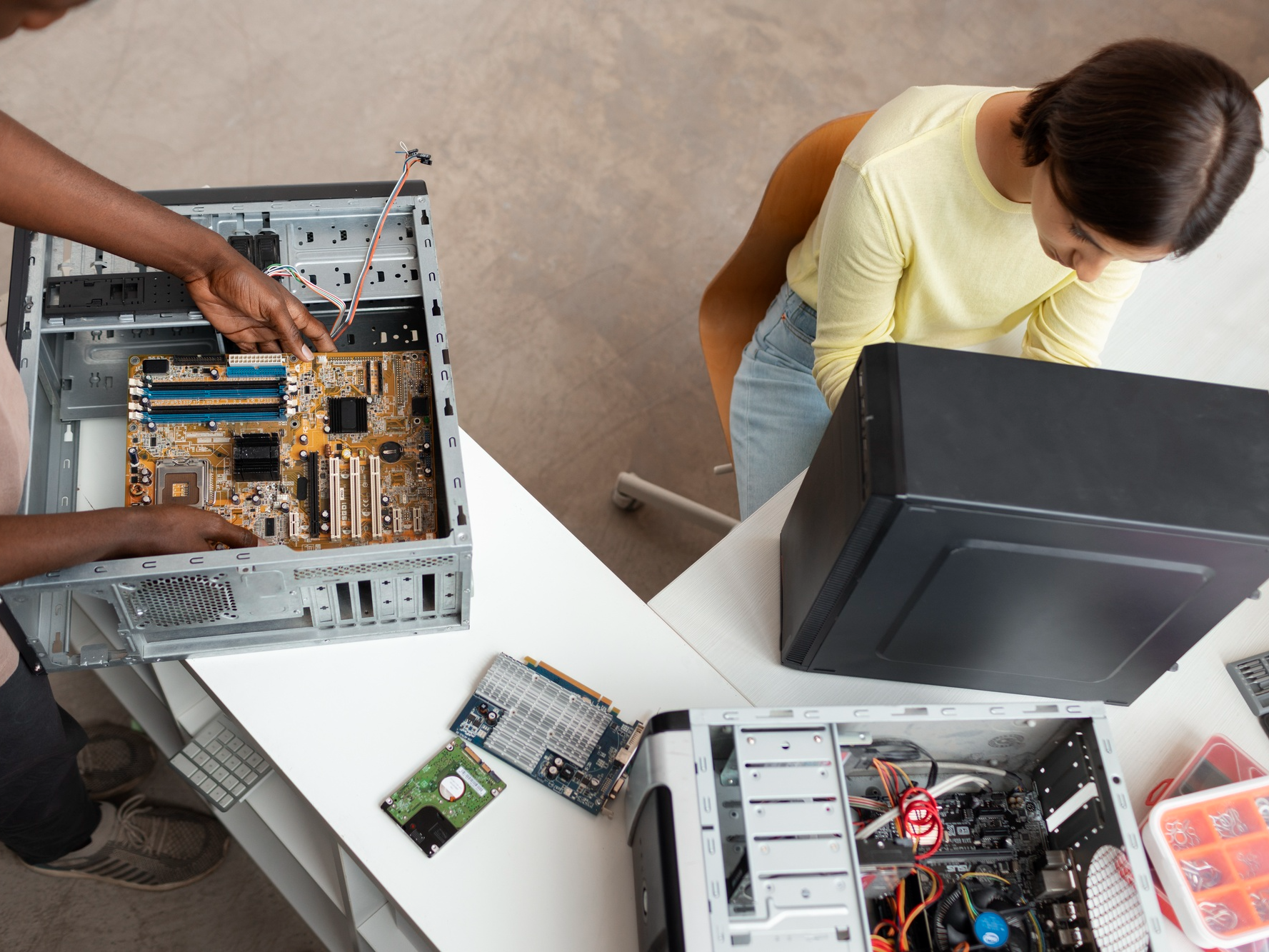
Businesses in New York frequently upgrade computers, servers, and other technology to improve productivity, strengthen security, and support business growth. However, deciding whether equipment should be recycled, redeployed, or permanently retired requires careful planning. A structured computer disposal NYC strategy helps organizations protect sensitive information, optimize the IT asset lifecycle, and manage technology responsibly. By evaluating equipment condition, business requirements, and security considerations, companies can make informed decisions that improve operational efficiency while supporting sustainability.
Why Is Strategic Computer Disposal Important for Businesses in NYC?
Proper computer disposal is an essential part of enterprise IT asset management. It helps organizations balance security, operational performance, and environmental responsibility.
Protecting Sensitive Business Information
Computers often contain confidential customer records, financial information, intellectual property, and internal business data. Before equipment leaves an organization, secure handling and certified data destruction procedures help prevent unauthorized access to sensitive information.
Optimizing the IT Asset Lifecycle
A strategic disposal process ensures every device is evaluated before retirement. Equipment may still have value through redeployment or recycling, allowing organizations to maximize technology investments while reducing unnecessary waste.
What Is Computer Disposal?
Computer disposal is the structured process of retiring business computers and related technology through secure collection, evaluation, data protection, recycling, or final disposition.
Understanding Secure End-of-Life IT Asset Management
Professional computer disposal includes inventory verification, secure transportation, certified data destruction, equipment assessment, reporting, refurbishment when appropriate, and environmentally responsible recycling. These steps maintain accountability throughout the end-of-life process.
The Difference Between Disposal, Recycling, and Redeployment
Disposal refers to permanently retiring equipment through secure processing. Recycling focuses on recovering reusable materials from obsolete devices, while redeployment involves assigning functional equipment to new business purposes where it can continue providing value.
Organizations looking for comprehensive IT lifecycle solutions often choose E-XPIRE to support secure computer disposal, responsible electronics recycling, and enterprise asset management.
How Should Businesses Decide Whether to Recycle, Redeploy, or Retire IT Equipment?
Every technology asset should be evaluated before determining its next stage in the lifecycle.
Evaluating Equipment Age and Performance
Businesses should review equipment age, hardware condition, performance capabilities, maintenance requirements, and compatibility with current operational needs before making retirement decisions.
Assessing Business and Operational Requirements
Technology that no longer supports critical workloads may still be suitable for departments with less demanding operational requirements. Evaluating business needs helps maximize equipment utilization.
Considering Security and Compliance Obligations
Devices containing confidential information or approaching the end of supported security updates may require secure retirement even if they remain operational.
When Is IT Equipment a Good Candidate for Redeployment?
Not every retired device requires immediate disposal.
Extending the Useful Life of Business Hardware
Functional equipment can often continue serving internal business operations after reassignment to departments with lower performance requirements.
Supporting Internal Departmental Needs
Redeploying computers within the organization helps maximize existing technology investments while reducing the need for immediate hardware purchases.
Reducing Technology Replacement Costs
Extending equipment life through strategic redeployment helps organizations control technology budgets while maintaining operational efficiency.
When Should Businesses Choose Computer Recycling in New York?
Recycling becomes appropriate when equipment can no longer meet business requirements.
Equipment That Has Reached the End of Its Useful Life
Computers experiencing declining reliability, outdated hardware specifications, or limited upgrade potential are generally suitable candidates for responsible recycling.
Supporting Responsible Electronics Recycling
Working with an electronic recycle center near me helps organizations recover valuable materials while ensuring retired computers are processed using environmentally responsible recycling methods.
Reducing Environmental Impact Through Proper Recycling
Responsible recycling reduces landfill waste by recovering reusable materials that can reenter manufacturing processes while supporting sustainability initiatives.
When Is Secure Computer Disposal the Best Option?
Some situations require permanent retirement rather than redeployment or recycling alone.
Retiring Equipment That Contains Sensitive Business Information
Computers containing confidential customer data, financial records, or proprietary business information should undergo secure data destruction before final disposal.
Managing Obsolete or Non-Functional Hardware
Devices that are damaged beyond repair or no longer support business operations should be securely retired through structured disposal procedures.
Supporting Secure End-of-Life Asset Management
Professional disposal providers maintain documented handling procedures, inventory tracking, and secure processing that protect business assets throughout retirement.
How Does Proper IT Asset Lifecycle Management Improve Business Operations?
Strategic lifecycle management provides long-term operational advantages.
Planning Technology Refresh Cycles
Scheduled hardware refresh projects help businesses maintain consistent technology performance while avoiding large accumulations of obsolete equipment.
Improving Asset Visibility and Inventory Management
Maintaining accurate inventory records throughout the equipment lifecycle improves planning, reporting, and operational decision making.
Supporting Long-Term Cost and Risk Reduction
A structured lifecycle strategy reduces unnecessary technology costs while improving security, compliance, and resource utilization.
What Common Mistakes Should Businesses Avoid During Computer Disposal?
Avoiding common mistakes strengthens both security and operational performance.
Delaying End-of-Life Decisions
Keeping obsolete computers in storage for extended periods reduces operational efficiency and may increase inventory management challenges.
Choosing Disposal Providers Based Only on Cost
The lowest-cost provider may not offer secure handling procedures, detailed reporting, or enterprise-level lifecycle management capabilities. Businesses should evaluate service quality alongside pricing.
Overlooking Security, Compliance, and Asset Documentation
Incomplete documentation and weak security controls reduce accountability throughout the disposal process. Comprehensive reporting should remain a priority.
For additional insights, explore Professional Electronic Waste Recycling Companies to understand how experienced providers support secure business technology retirement.
What Should Businesses Look for in a Computer Disposal Partner in NYC?
Selecting the right provider directly influences security, accountability, and operational efficiency.
Enterprise Experience and Scalable Service Capabilities
Businesses should evaluate providers with experience managing enterprise computer disposal, multi-location projects, secure logistics, and technology lifecycle management.
Secure Collection, Processing, and Reporting
Reliable providers maintain secure transportation, certified data destruction, inventory tracking, documented processing, and transparent reporting throughout every engagement.
Transparent Processes Supporting Compliance and Sustainability
Organizations benefit from providers that combine secure operational procedures with environmentally responsible recycling practices and comprehensive documentation.
Why Choose E-XPIRE for Computer Disposal in NYC?
Businesses require a trusted partner capable of managing enterprise technology retirement securely and responsibly.
Enterprise-Focused Secure IT Asset Disposal Services
E-XPIRE provides secure collection, transportation, certified data destruction, equipment processing, inventory reporting, and responsible disposal services for enterprise organizations.
Responsible Computer Recycling and IT Asset Lifecycle Support
The company helps businesses evaluate whether equipment should be redeployed, recycled, or retired while supporting efficient lifecycle management and sustainable technology practices.
Trusted Solutions for Security, Compliance, and Sustainable Technology Retirement
E-XPIRE delivers scalable solutions that strengthen compliance, protect sensitive business information, improve operational efficiency, and support responsible IT asset retirement.
Conclusion
Strategic computer disposal allows businesses to make informed decisions about whether equipment should be redeployed, recycled, or permanently retired. By evaluating asset condition, operational needs, and security requirements, organizations can maximize technology value while protecting confidential information and supporting sustainability. Working with an experienced enterprise disposal partner helps ensure retired IT equipment is managed securely, responsibly, and efficiently throughout every stage of the asset lifecycle.
Start Secure Disposal: Contact E-XPIRE
FAQs
1. What is computer disposal?
Computer disposal is the secure process of retiring business computers and related IT equipment through evaluation, data destruction, recycling, or permanent retirement while protecting sensitive information.
2. How do businesses decide whether to recycle or redeploy IT equipment?
Organizations evaluate equipment age, performance, business requirements, security considerations, and operational value before determining whether devices should be redeployed, recycled, or retired.
3. When should computers be permanently retired?
Computers should be retired when they are no longer operational, no longer meet business requirements, contain sensitive information requiring secure disposal, or have reached the end of their useful life.
4. Why is professional computer disposal better than standard recycling?
Professional providers offer secure collection, certified data destruction, asset tracking, inventory reporting, compliance support, and structured lifecycle management designed for enterprise organizations.
5. What should businesses consider when selecting a computer disposal provider?
Businesses should evaluate enterprise experience, secure operational procedures, reporting capabilities, scalable service offerings, compliance support, and environmentally responsible recycling practices before selecting a provider.