



Retiring outdated IT equipment is an essential part of managing modern business infrastructure, but it also introduces significant security responsibilities. Computers, servers, storage devices, laptops, and other digital assets often contain confidential information that remains accessible unless it is permanently destroyed. Organizations that fail to remove sensitive data before disposing of hardware increase the risk of information exposure, regulatory issues, financial losses, and reputational harm. Investing in professional data destruction services allows businesses to securely eliminate confidential information before assets leave their control. By integrating secure data destruction into the IT asset retirement process, organizations can reduce liability, strengthen security practices, and ensure retired equipment is handled responsibly.
Why Is Secure Data Destruction Important During IT Asset Retirement?
Secure data destruction protects organizations from unnecessary risks that may arise when devices are retired without properly removing stored information. Every storage device may contain customer records, financial documents, employee information, intellectual property, operational data, and internal communications. Even if equipment is no longer in use, the information remains valuable and should be protected until it is permanently destroyed.
Protecting Confidential Business Information
Businesses rely on digital information to support daily operations. Simply deleting files or formatting drives does not permanently remove stored data. Professional destruction methods ensure confidential information cannot be recovered, helping organizations maintain privacy, protect intellectual property, and preserve customer confidence throughout the equipment retirement process.
Reducing Security and Compliance Risks
Organizations must maintain strong security controls from the moment information is created until the hardware storing that information reaches the end of its lifecycle. Proper destruction procedures help minimize security risks while supporting internal governance and responsible information management. Secure data destruction also demonstrates that organizations follow consistent practices when retiring IT assets.
What Are Data Destruction Services?
Data destruction services involve specialized techniques that permanently eliminate information from storage devices before they are reused, recycled, or disposed of. These services are performed using approved procedures that make stored data unrecoverable.
Understanding Secure Data Destruction Methods
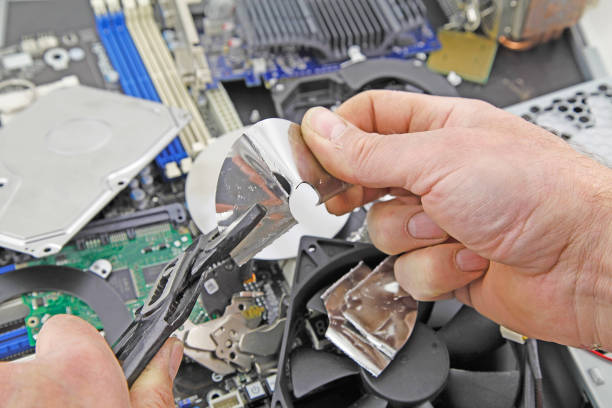
Professional providers evaluate storage devices and determine the most appropriate destruction method. Common approaches include software-based erasure, degaussing for magnetic media, and physical destruction when required. Each method is designed to permanently remove stored information according to the device type.
Supporting Safe IT Asset Retirement
Secure data destruction works best when integrated with a complete IT asset disposition strategy. Providers such as E-XPIRE combine secure data removal, asset tracking, logistics, and responsible hardware disposition into one structured process. This approach simplifies large retirement projects while reducing operational risk.
| Data Destruction Method | Primary Purpose | Suitable For |
|---|---|---|
| Software Erasure | Securely overwrite stored data | Reusable storage devices |
| Degaussing | Neutralize magnetic media | Magnetic hard drives |
| Physical Destruction | Permanently destroy storage media | Damaged or highly sensitive devices |
What Business Risks Can Improper Data Disposal Create?
Improper disposal of IT assets can affect an organization in multiple ways. Sensitive information left on retired hardware may become accessible to unauthorized parties, creating operational and legal challenges.
Unauthorized Access to Sensitive Information
If retired equipment still contains recoverable data, confidential business information may be exposed. This can include customer records, employee information, financial documents, intellectual property, and strategic business data that should remain protected throughout the asset lifecycle.
Regulatory and Legal Consequences
Organizations operating in regulated industries are expected to protect sensitive information during every stage of its lifecycle. Improper disposal practices may result in regulatory investigations, contractual concerns, or compliance issues. Maintaining documented destruction procedures supports stronger governance and demonstrates responsible handling of business information.
Financial Losses and Reputational Damage
The consequences of data exposure often extend beyond immediate financial costs. Organizations may experience operational disruptions, remediation expenses, reduced customer confidence, and long-term reputational damage. Preventing these issues through professional data destruction is a practical investment in risk management.
How Do Data Destruction Services Reduce Business Liability?
Professional destruction services reduce business liability by ensuring information cannot be recovered after devices leave organizational control. They also provide documentation and standardized procedures that strengthen accountability.
Permanently Eliminating Recoverable Data
Rather than relying on simple deletion methods, professional services use verified techniques that permanently eliminate recoverable information. This significantly reduces the possibility of unauthorized access after asset retirement.
Supporting Compliance With Data Protection Requirements
Professional providers maintain documented workflows that help organizations demonstrate responsible information management. These procedures support security policies while improving consistency across IT asset retirement projects.
Reducing Risk During IT Asset Disposal Projects
Large asset retirement initiatives often involve hundreds or thousands of devices. Following a structured process helps ensure every asset receives the appropriate level of security before final disposition. Organizations looking to strengthen their retirement strategy can also explore Data Destruction Services in IT Asset Management to understand how secure destruction supports the complete IT asset lifecycle.
Key Ways Liability Is Reduced
- Sensitive information is permanently destroyed.
- Every asset follows a documented workflow.
- Security risks are minimized before disposal.
- Compliance efforts become easier to demonstrate.
What Should Businesses Expect From a Secure Data Destruction Service?
Businesses should expect more than simply destroying storage devices. A reliable provider delivers accountability, transparency, and secure operational controls throughout the process.
Secure Collection and Asset Tracking
Every device should be inventoried, labeled, and tracked from collection through final processing. Maintaining visibility helps ensure assets remain accounted for during transportation and destruction.
Verified Data Destruction Procedures
Professional services follow standardized procedures appropriate for different storage technologies. Every destruction activity should be completed using approved methods that permanently remove information.
Documentation and Certificates of Service Completion
Organizations should receive detailed documentation confirming completed destruction activities. Proper records support auditing, compliance efforts, and internal governance while providing evidence that secure destruction has been successfully completed.
How Does Data Destruction Fit Into the IT Asset Disposal Process?
Data destruction should be integrated into the overall IT asset disposition workflow rather than treated as a separate activity.
Preparing Devices Before Retirement
Assets should first be inventoried, categorized, and evaluated before entering the destruction process. This preparation improves project efficiency and ensures no qualifying device is overlooked.
Coordinating Secure Data Removal With Asset Disposition
Secure data removal should occur before equipment is recycled, remarketed, or otherwise retired. Coordinating these activities within one workflow improves accountability and reduces unnecessary handling.
Managing Large Scale Enterprise Hardware Refreshes
Enterprise refresh projects require standardized procedures capable of processing large equipment volumes while maintaining consistent security practices across every location.
What Should You Look for in a Data Destruction Company?
Selecting the right provider helps reduce operational risks and supports responsible IT asset retirement.
Experience Handling Enterprise IT Assets
Experienced providers understand enterprise infrastructure and can securely process a wide range of equipment while maintaining operational efficiency.
Secure Chain of Custody and Operational Controls
Organizations should verify that providers maintain documented chain of custody procedures and secure handling practices throughout transportation and destruction.
Transparent Processes and Compliance Focused Services
A qualified provider should clearly explain its procedures, documentation standards, and reporting process. Transparency builds confidence while helping organizations demonstrate responsible information management.
Important Selection Criteria
- Proven enterprise IT asset experience
- Secure asset tracking procedures
- Verified destruction methods
- Comprehensive reporting
- Strong compliance-focused processes
What Common Mistakes Should Businesses Avoid During IT Asset Retirement?
Several common mistakes continue to expose organizations to unnecessary liability.
Disposing of Devices Before Data Is Securely Destroyed
Retiring equipment before permanently removing stored information increases security risks and weakens overall asset management practices.
Using Unverified Data Erasure Methods
Basic deletion or formatting should never replace professional destruction methods designed to permanently eliminate recoverable information.
Failing to Maintain Proper Asset Tracking Records
Without complete tracking records, organizations may struggle to verify that every retired asset completed the required destruction process, increasing administrative and operational risks.
Why Choose E-XPIRE for Data Destruction Services?
Organizations require secure, efficient, and well-documented solutions throughout the IT asset retirement process.
Secure Data Destruction Integrated With IT Asset Disposal
E-XPIRE combines secure data destruction with complete IT asset disposition services, allowing organizations to manage retired equipment through a controlled process that prioritizes security, accountability, and operational efficiency.
Enterprise Focused Solutions That Reduce Risk Throughout the Asset Lifecycle
From secure collection and tracking to verified destruction and responsible disposition, E-XPIRE delivers enterprise-focused services that help organizations reduce risk while protecting sensitive business information throughout the asset lifecycle.
Conclusion
Secure data destruction is one of the most important steps in responsible IT asset retirement. By permanently eliminating confidential information before equipment leaves organizational control, businesses can reduce security risks, strengthen governance, support compliance efforts, and minimize long-term liability. Working with an experienced provider also ensures every retired asset follows a documented, secure, and transparent process from collection through final disposition.
Ready to Secure Your Assets? Visit Contact E-XPIRE to discuss your data destruction and IT asset disposition requirements.
FAQs
1. Why are professional data destruction services better than deleting files?
Professional services use verified techniques that permanently remove information, while deleting files often leaves recoverable data behind.
2. What devices should undergo secure data destruction?
Laptops, desktops, servers, hard drives, SSDs, mobile devices, storage systems, and other digital media containing sensitive information should undergo secure destruction.
3. How do data destruction services reduce business liability?
They permanently eliminate sensitive information, reduce the risk of unauthorized access, support compliance efforts, and provide documented proof of completed destruction.
4. What documentation should businesses expect after data destruction?
Businesses should receive asset tracking records, service reports, and documentation confirming that secure destruction procedures have been completed.
5. Why should organizations integrate data destruction with IT asset disposal?
Integrating both services improves operational efficiency, strengthens asset accountability, reduces security risks, and ensures sensitive information is removed before hardware is retired.