



 Businesses regularly upgrade computers, servers, networking devices, storage systems, and other technology equipment to improve performance and efficiency. However, replacing outdated IT assets creates the responsibility of managing old equipment properly. A structured recycling process ensures that retired devices are handled securely while protecting sensitive business information.
A professional electronics recycling process involves much more than simply removing unwanted devices. It includes collection, inventory tracking, secure data destruction, equipment evaluation, material recovery, and compliance documentation. By following a controlled approach, businesses can reduce security risks, recover value from usable equipment, and support responsible e waste management.
Why Businesses Need a Structured Electronics Recycling Process
A well-defined electronics recycling workflow helps organizations manage retired technology assets efficiently. Without proper procedures, businesses may face data security concerns, compliance challenges, and difficulties tracking equipment after disposal.
The Importance of Secure IT Equipment Recycling
Business IT equipment often contains sensitive information stored on hard drives, solid-state drives, and other storage devices. Removing these assets without proper handling can create risks if data is not permanently erased or destroyed.
Secure IT equipment recycling focuses on protecting information throughout the entire recycling lifecycle. The process typically includes asset identification, controlled transportation, data sanitization, and documented processing. Professional recycling providers separate reusable equipment from items requiring material recovery while maintaining proper security procedures.
A secure approach helps businesses:
- Protect confidential information
- Maintain accurate asset records
- Reduce compliance risks
- Improve equipment recovery opportunities
- Ensure responsible electronic waste handling
Electronics recycling providers often use structured processes similar to IT asset disposition programs, where equipment is assessed, processed, and documented throughout its lifecycle.
How Responsible E Waste Management Protects Businesses
Responsible e waste management allows businesses to retire technology while minimizing environmental impact and maintaining operational control. Improper disposal methods can lead to unnecessary waste and increase risks related to sensitive equipment.
A reliable recycling process ensures that electronics are properly sorted, dismantled, refurbished, or recycled based on their condition. This approach supports sustainability goals while helping organizations maintain better control over retired assets.
Step-by-Step Electronics Recycling Workflow
The electronics recycling process follows several important stages to ensure equipment is handled securely and efficiently. Each step helps protect business information, recover valuable materials, and maintain proper documentation.
Asset Collection and Inventory Verification
The first stage of electronics recycling begins with collecting and identifying IT equipment. Before devices are transported, businesses and recycling providers verify the inventory to ensure every asset is accounted for.
Inventory verification usually includes:
| Information Collected | Purpose |
|---|---|
| Device type and model | Identifies equipment category |
| Serial numbers | Supports tracking and documentation |
| Asset tags | Confirms ownership records |
| Quantity of devices | Helps manage logistics |
| Equipment condition | Determines reuse or recycling options |
Accurate inventory records create transparency throughout the recycling process. They also help businesses understand which assets may have remaining value and which devices require complete recycling.
Secure Data Destruction and Equipment Evaluation
After collection, equipment containing storage media goes through secure data destruction procedures. Data removal is a critical step because deleting files manually does not guarantee that information cannot be recovered.
Professional recycling providers use approved data sanitization methods to permanently remove information from storage devices. E-XPIRE follows secure IT asset processing practices to help businesses protect sensitive information while managing retired technology responsibly. Some equipment may be eligible for reuse after secure data processing, while devices that cannot be recovered move toward recycling.
During evaluation, equipment is commonly categorized into:
- Devices suitable for refurbishment or reuse
- Equipment that can be remarketed
- Assets requiring material recovery
- Components requiring specialized handling
Secure data destruction and equipment evaluation help businesses maximize asset value while maintaining information security.
IT Hardware Recycling, Material Recovery, and Electronic Waste Disposal
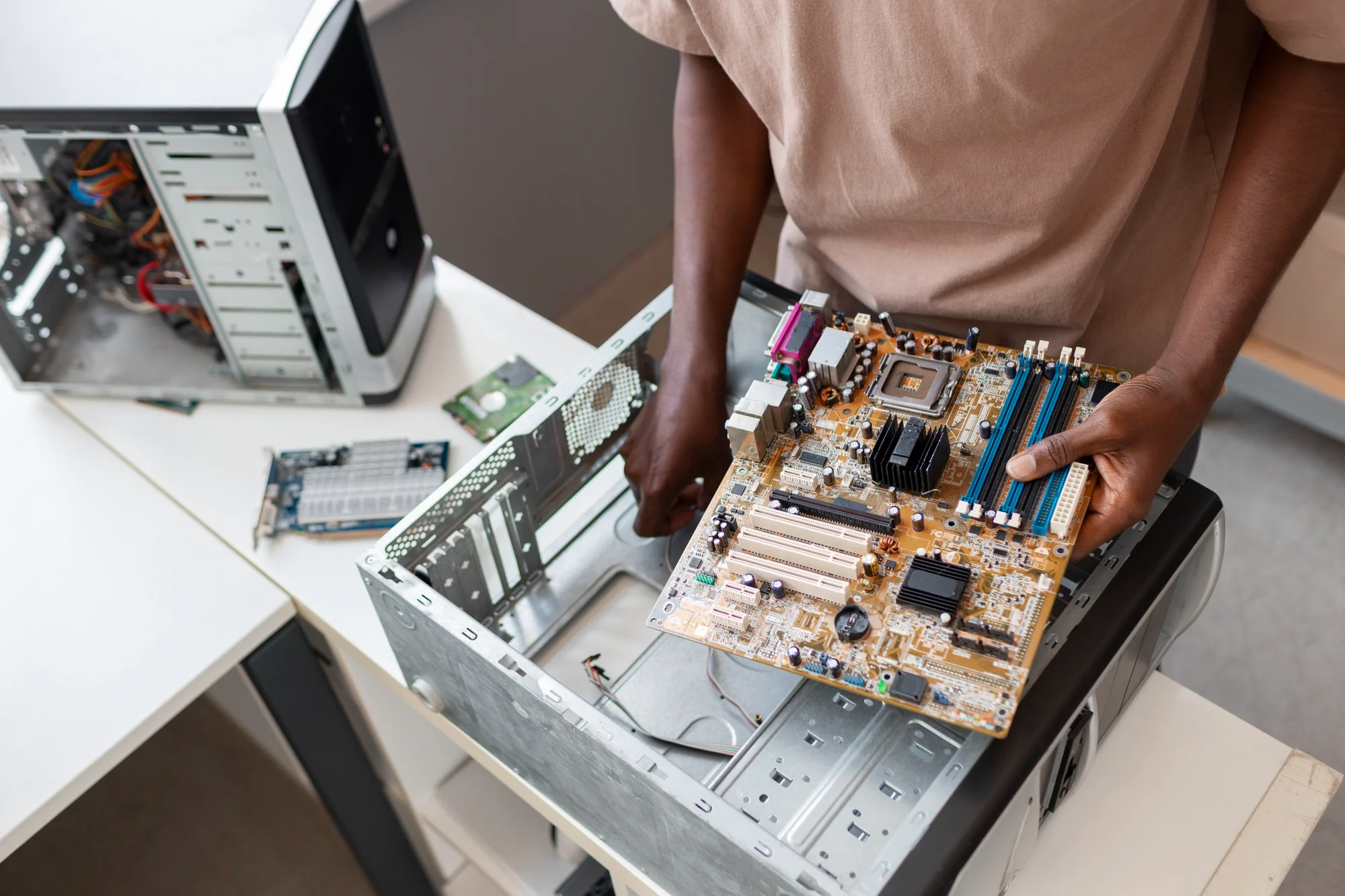
After evaluation, unusable equipment moves through the recycling stage. This process involves dismantling devices, separating materials, and recovering usable components.
IT hardware recycling may involve:
- Removing valuable internal components
- Separating metals, plastics, and other materials
- Processing recyclable electronic parts
- Managing non-recoverable waste responsibly
Electronic devices contain different materials that require specialized handling. Recycling facilities use sorting, dismantling, and recovery processes to separate materials while reducing environmental impact.
Proper electronic waste disposal ensures that equipment does not enter unsuitable waste streams and that recoverable materials are processed responsibly.
Documentation, Reporting, and Compliance Records
Documentation is an essential part of business electronics recycling. Organizations need clear records showing how their equipment was processed after leaving their facility.
A professional recycling partner may provide documentation such as:
- Asset processing reports
- Data destruction records
- Recycling certificates
- Recovery information
- Compliance documentation
Maintaining these records helps businesses demonstrate responsible disposal practices and supports internal reporting requirements.
What Happens to Recovered IT Equipment?
Once equipment has been processed, it follows different paths depending on its condition and recovery potential.
Reuse and Remarketing Opportunities
Some IT equipment may still have useful life after evaluation. Devices that meet performance and security requirements can be refurbished, reused, or prepared for remarketing.
Reuse provides several benefits:
- Extends equipment lifecycle
- Reduces electronic waste generation
- Recovers additional asset value
- Supports sustainable technology management
Businesses can work with recycling providers that evaluate equipment before deciding whether recycling or reuse is the most appropriate option.
Responsible Recycling of Non Recoverable Assets
Equipment that cannot be reused moves through responsible recycling processes. These assets are dismantled and processed to recover materials while ensuring remaining components are handled properly.
Non recoverable assets may include damaged devices, outdated hardware, or equipment that no longer meets operational requirements. Professional recycling facilities follow controlled procedures to manage these materials safely.
Environmental Benefits of Proper Electronics Recycling
Proper electronics recycling reduces the amount of technology waste sent to landfills and supports the recovery of valuable resources. Responsible processing allows materials such as metals, plastics, and electronic components to be reused in future manufacturing processes.
A structured recycling approach supports environmental sustainability by:
| Environmental Benefit | Impact |
|---|---|
| Material recovery | Reduces demand for new raw materials |
| Proper disposal | Limits harmful waste handling |
| Equipment reuse | Extends product lifecycle |
| Resource conservation | Supports circular economy practices |
Choosing the Right Electronics Recycling Partner
Selecting the right recycling provider is an important decision for businesses managing retired IT equipment. A qualified partner should prioritize security, compliance, transparency, and environmental responsibility. Choosing a trusted electronic recycle center near me helps businesses ensure that outdated technology is processed securely while following responsible recycling practices.
What Businesses Should Expect From a Certified Provider
Businesses should look for providers that offer:
- Secure collection procedures
- Documented data destruction
- Asset tracking capabilities
- Transparent reporting
- Responsible recycling practices
A reliable provider should be able to explain how equipment moves from collection through final processing.
How E-XPIRE Delivers Secure, Compliant, and Environmentally Responsible Electronics Recycling
Choosing an experienced recycling partner helps businesses simplify IT equipment disposal while maintaining security and compliance. E-XPIRE supports businesses through secure electronics recycling processes designed to protect sensitive information and responsibly manage retired technology assets.
From equipment collection and data destruction to recycling documentation and material recovery, a structured approach ensures that businesses maintain control over their IT assets throughout the recycling lifecycle.
Organizations searching for an electronic recycle center near me should consider providers that offer secure handling, transparent reporting, and environmentally responsible recycling solutions.
Final Thoughts
The electronics recycling process for business IT equipment involves multiple stages designed to protect data, recover valuable resources, and support responsible disposal. From inventory verification and secure data destruction to recycling and compliance reporting, every step plays an important role in managing retired technology.
Businesses should partner with experienced recycling providers that understand the importance of security, documentation, and sustainability. A structured electronics recycling process helps organizations reduce risks while making responsible decisions about their outdated IT equipment.
To learn more about secure IT asset recycling solutions, contact us today.
FAQs
1. What happens during the electronics recycling process?
The electronics recycling process includes equipment collection, inventory verification, data destruction, evaluation, recycling, material recovery, and documentation.
2. Why is secure data destruction important during electronics recycling?
Secure data destruction prevents unauthorized access to confidential business information stored on retired IT equipment and helps organizations maintain compliance.
3. Can business IT equipment be reused instead of recycled?
Yes. Equipment that remains functional may be refurbished, reused, or remarketed after proper evaluation and data sanitization.
4. What documentation should businesses receive after electronics recycling?
Businesses should receive documentation such as recycling reports, asset processing details, and data destruction records depending on the services provided.
5. How should businesses choose an electronics recycling partner?
Businesses should select a provider that offers secure processing, transparent reporting, proper data destruction procedures, and environmentally responsible recycling methods.