



Servers support essential business operations, from storing sensitive information to running applications and managing networks. However, as equipment ages, performance requirements change, or infrastructure is upgraded, organisations must decide how to retire their existing hardware. Without a structured process, outdated servers can create data security risks, increase electronic waste, and leave valuable components unused.
A well-planned server recycling strategy helps businesses protect confidential information while recovering materials and managing retired IT assets responsibly. At E-XPIRE, we support organisations with secure IT asset disposition, data destruction, electronics recycling, and asset recovery solutions that address the practical challenges of retiring business technology.
Understanding the right disposal methods, security controls, and recycling practices can help IT teams make informed decisions throughout the server retirement process.
Why Responsible Server Disposal Matters
Retiring servers involves more than removing equipment from a rack. These systems may contain confidential business records, customer information, employee data, financial details, and operational credentials. If storage devices are not sanitised or destroyed correctly, sensitive information could remain accessible after the hardware leaves an organisation’s premises.
There are also environmental and financial considerations. Servers contain materials such as steel, aluminium, copper, and certain recoverable electronic components. Sending usable equipment directly to disposal can waste resources and overlook opportunities for refurbishment, redeployment, or resale.
The scale of the wider electronic waste challenge reinforces the need for better asset management. The ITU and World Bank Green Data Centers report cites 53.6 million metric tons of e-waste generated globally in 2019, with only 17.4% formally collected and recycled. Although this figure covers all electronic waste rather than servers alone, it highlights why businesses need structured end-of-life processes for their IT equipment.
Responsible server disposal can help organisations:
- Reduce the risk of unauthorised access to stored information.
- Recover reusable equipment and valuable materials.
- Support internal environmental and sustainability objectives.
- Maintain better records of retired IT assets.
- Reduce unnecessary disposal and associated costs.
1. Assess Servers Before Retirement
The first step is to evaluate the condition, age, configuration, and operational status of each server. Not every retired system needs to be dismantled or recycled immediately. Some equipment may still have useful operational life, while other units may be unsuitable for further use.
An initial assessment should consider:
- Hardware condition: Check processors, memory, storage drives, power supplies, and other components for damage or wear.
- Performance requirements: Determine whether the server can support current workloads or less demanding applications.
- Age and compatibility: Review operating system support, firmware availability, and compatibility with existing infrastructure.
- Data sensitivity: Identify whether the equipment contains confidential, regulated, or business-critical information.
- Asset records: Document serial numbers, asset tags, ownership details, and configuration information.
This assessment helps IT teams determine whether equipment should be redeployed, refurbished, remarketed, or sent for recycling. It also creates a clearer record of what is leaving the organisation’s infrastructure.
2. Protect Sensitive Data Before Recycling
Data security should remain a priority throughout the server retirement process. Removing a server from a network or deleting files does not necessarily eliminate the information stored on its drives. Data may remain recoverable even after standard deletion or formatting procedures.
Before equipment enters the recycling process, organisations should identify every storage component and select an appropriate sanitisation or destruction method.
Use an Appropriate Data Sanitisation Method
The correct approach depends on the storage technology, data sensitivity, and intended future use of the equipment.
Common methods include:
- Data wiping: Uses approved software-based techniques to overwrite information on supported storage devices.
- Cryptographic erasure: Makes encrypted data inaccessible by sanitising the relevant encryption keys, where the technology and implementation support this method.
- Physical destruction: Renders storage media unusable when reuse is not appropriate or secure sanitisation cannot be established.
Organisations should select methods based on documented policies and recognised guidance rather than relying on basic file deletion or factory resets.
Maintain Data Destruction Records
A secure process should also include documentation confirming what happened to each storage device. Depending on the organisation’s requirements, records may include asset identifiers, sanitisation methods, destruction details, processing dates, and certificates of data destruction.
At E-XPIRE, we place data protection at the centre of IT asset retirement, helping businesses manage sensitive equipment through secure data destruction processes before it moves into further recovery or recycling activities.
3. Choose Between Redeployment, Remarketing, and Recycling
Once data security requirements have been addressed, organisations can decide what should happen to each server. A suitable server recycling programme should not automatically treat every retired unit as waste. The condition and remaining value of the equipment should guide the next step.
Redeploy Suitable Equipment
Servers that remain functional and meet internal requirements may be suitable for redeployment. Businesses can assess whether these systems can support secondary workloads, testing environments, backup operations, or other applications that do not require the latest hardware.
Redeployment can extend equipment life and reduce the need to purchase replacement systems for less demanding tasks.
Refurbish and Remarket Reusable Servers
Some equipment may require testing, repairs, component replacement, or refurbishment before it can be resold or reused. Remarketing can help organisations recover value from assets that still have commercial or operational potential.
Before remarketing, businesses should confirm that data has been securely sanitised and that equipment is accurately assessed and documented.
Recycle Equipment That Has Reached End of Life
Servers that are damaged, obsolete, incompatible, or unsuitable for further use should enter an appropriate recycling process. Responsible electronics recycling involves separating equipment into recoverable material streams and ensuring that components are handled through suitable downstream processes.
Businesses can incorporate electronics recycling solutions into their asset retirement plans to support responsible handling of servers and other outdated IT equipment.
4. Maintain a Clear Chain of Custody
Servers often move through several stages after collection, including transportation, data processing, testing, refurbishment, material recovery, and final recycling. Each transfer creates a point where equipment could be misplaced, mishandled, or exposed to unauthorised access.
A documented chain of custody helps businesses maintain visibility throughout this process.
Important controls include:
- Asset identification: Record serial numbers, asset tags, quantities, and equipment descriptions before collection.
- Collection documentation: Maintain records of the equipment released from the organisation’s premises.
- Secure transportation: Use appropriate handling and transport arrangements to protect equipment during transit.
- Processing records: Track when assets arrive, undergo data sanitisation, and move to their next destination.
- Final reporting: Retain relevant records and certificates confirming completed data destruction or recycling activities.
These controls are particularly important for organisations managing large server rooms, multiple facilities, or data centre infrastructure. Consistent documentation also makes it easier to review asset retirement activity and respond to internal compliance requirements.
5. Work With Appropriate Recycling and Recovery Processes
The quality of the downstream recycling process matters. Businesses should understand how their retired servers will be handled after collection, including whether usable equipment is assessed for reuse and how end-of-life components are processed.
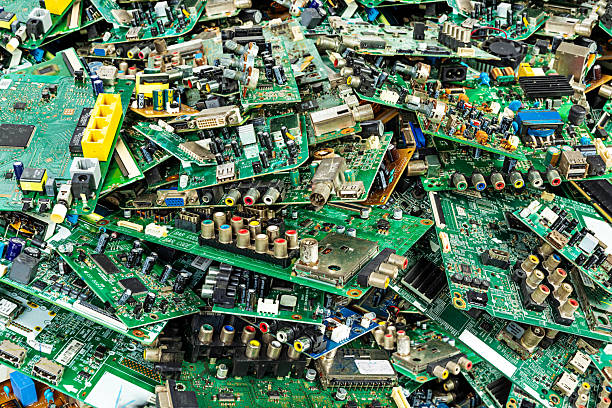
A responsible approach to tech waste recycling should account for different server components rather than treating the entire unit as a single waste item. Circuit boards, metal housings, cables, power supplies, batteries, and storage devices may require different handling methods.
Organisations should consider:
- Whether equipment is assessed for reuse before material recovery.
- How storage devices are handled after data sanitisation or destruction.
- Whether recyclable materials are separated appropriately.
- How non-recoverable components are managed.
- Whether processing records and relevant reporting are available.
6. Include Server Retirement in IT Asset Lifecycle Planning
Server disposal should not be treated as an isolated activity that begins only when equipment fails. Incorporating retirement planning into broader IT asset management helps organisations prepare for upgrades, budget for equipment transitions, and reduce avoidable disposal challenges.
An effective lifecycle plan can include:
- Scheduled asset reviews: Assess server condition, performance, age, and support status at regular intervals.
- Replacement planning: Identify equipment likely to require replacement and plan for secure removal.
- Data security procedures: Define sanitisation and destruction requirements before retirement begins.
- Recovery objectives: Establish when equipment should be redeployed, remarketed, or recycled.
- Documentation standards: Maintain consistent asset records from procurement through final disposition.
For organisations with multiple sites, centralised planning can also help standardise collection, transportation, and processing requirements. This makes it easier to manage retired equipment consistently across different facilities.
How E-XPIRE Supports Secure Server Retirement
At E-XPIRE, we help businesses manage retired IT equipment through services designed to address data security, asset recovery, and responsible electronics disposal. Our approach considers what happens to equipment at each stage, from collection and secure handling to data destruction and final disposition.
Our capabilities include secure data destruction, electronics recycling, asset remarketing, asset redeployment, asset tag removal, and logistics support. These services help organisations manage different categories of retired technology while maintaining visibility over their equipment.
Whether a business is upgrading a server room, refreshing data centre infrastructure, or retiring equipment across multiple facilities, we work to support a structured IT asset disposition process. Organisations can also review our service areas to understand the locations we support.
Build a More Secure and Responsible Server Retirement Strategy
Retiring business servers requires careful coordination between data protection, asset recovery, logistics, and environmental responsibility. By assessing equipment before disposal, sanitising or destroying storage media appropriately, maintaining a clear chain of custody, and choosing suitable recovery routes, organisations can reduce risks and make better use of retired IT assets.
A structured server recycling strategy also gives IT teams greater control over the equipment retirement process and helps connect day-to-day IT decisions with wider business and sustainability objectives.
E-XPIRE supports organisations with secure IT asset disposition, data destruction, and electronics recycling services. If your business is preparing for a server upgrade or needs a structured approach to retiring outdated equipment, contact E-XPIRE to discuss your requirements.
Frequently Asked Questions
1. What is server recycling?
Server recycling is the process of managing retired server equipment through assessment, secure data sanitisation or destruction, reuse, refurbishment, remarketing, and material recovery. The appropriate route depends on the server’s condition, remaining value, and data security requirements.
2. Why is data destruction important before server recycling?
Servers may contain confidential business information, customer records, financial data, and other sensitive files. Secure data destruction helps prevent unauthorised access when equipment leaves an organisation’s control. Simply deleting files or formatting a drive may not be sufficient.
3. Can old servers be reused instead of recycled?
Yes. Servers that remain functional and meet relevant performance and security requirements may be redeployed internally, refurbished, or remarketed. Equipment that cannot be reused should be directed towards appropriate electronics recycling processes.
4. What happens to servers after they are collected for recycling?
The process generally involves asset identification, secure transportation, data sanitisation or destruction, equipment assessment, and separation for reuse or material recovery. The exact steps depend on the equipment’s condition and the organisation’s requirements.
5. How can businesses manage server recycling across multiple locations?
Businesses can establish standard asset identification, collection, data destruction, transportation, and reporting procedures across their facilities. Working with an IT asset disposition partner that supports coordinated logistics and processing can also help maintain consistency and visibility throughout the retirement process.