



Why Secure Data Destruction Services Are Essential During Technology Refresh Projects
The Role of Secure Data Destruction in Technology Refresh Projects
Technology refresh projects allow businesses to replace outdated hardware, improve performance, and maintain efficient IT environments. However, replacing computers, servers, storage devices, and other equipment also creates a significant data security challenge. Retired devices may still contain confidential business information, customer records, employee data, and proprietary files that can create security risks if not handled correctly.
A professional secure data destruction service ensures that sensitive information stored on retired technology is permanently removed through secure and documented processes. Unlike standard file deletion, professional destruction methods help prevent unauthorized recovery while supporting compliance and internal security requirements.
Why replacing hardware creates data security risks
When organizations replace hardware during technology refresh cycles, old devices often contain large amounts of stored information. Simply removing files or formatting storage drives does not guarantee that data has been completely eliminated. Advanced recovery techniques can potentially retrieve information from improperly handled devices.
Retired laptops, servers, hard drives, and storage systems may contain financial records, customer information, login credentials, business documents, and operational data. If these assets are transferred, recycled, or disposed of without proper destruction procedures, organizations may face unnecessary security exposure.
A secure data destruction approach ensures that every retired device is processed according to established security practices. This reduces the possibility of unauthorized access and protects valuable business information throughout the IT asset lifecycle.
The importance of protecting sensitive information during IT upgrades
Technology upgrades often involve replacing large numbers of devices at the same time. Without proper planning, the transition process can create gaps in data protection. Organizations need to consider what happens to information stored on old equipment before new systems are introduced.
Secure destruction helps businesses maintain control over sensitive data even after hardware reaches the end of its operational use. It ensures that confidential information is not left behind when devices are removed from active environments.
Protecting information during IT upgrades also supports customer trust and strengthens an organization’s overall cybersecurity strategy. Proper data handling should remain a priority from initial device retirement through final disposal.
How secure data destruction supports responsible technology lifecycle management
Responsible IT asset management involves more than purchasing new technology. Businesses must also manage outdated equipment properly to ensure security, compliance, and sustainability.
Secure data destruction plays an important role by providing a controlled process for removing information before devices are recycled, reused, or disposed of. It creates accountability by documenting each stage of the destruction process and ensuring that retired assets are handled responsibly.
A complete technology lifecycle strategy combines asset tracking, secure data removal, reporting, and responsible disposal practices. This approach helps organizations reduce risks while making technology refresh projects more efficient.
How Secure Data Destruction Services Reduce Business Risks
Preventing unauthorized access to retired devices
Retired devices can become security risks if they are not processed correctly. Storage media can retain sensitive information even after equipment is removed from daily operations.
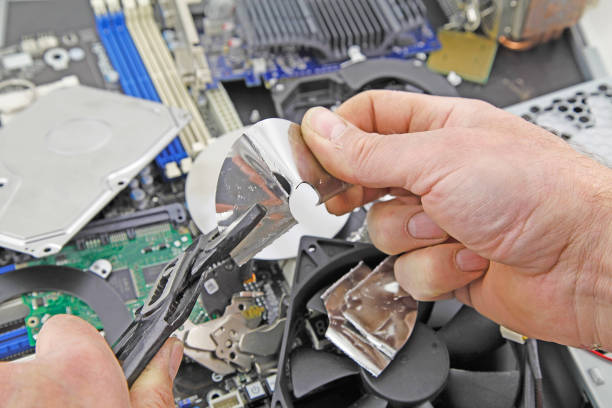
Professional destruction services use secure methods designed to prevent unauthorized access. Depending on the type of device and security requirements, businesses may use certified data wiping, physical destruction, or other approved methods to eliminate stored information. A reliable hard disk drive destruction service helps organizations securely destroy storage media and ensure confidential data cannot be recovered from retired hard drives.
By partnering with a reliable provider, organizations can ensure that retired devices do not become a source of data exposure.
Ensuring complete removal of confidential business data
Confidential information requires a higher level of protection than basic deletion methods provide. Data destruction services focus on permanently removing information from storage devices so that it cannot be reconstructed.
A structured destruction process includes identifying assets, selecting suitable destruction methods, verifying completion, and maintaining records. This creates confidence that sensitive information has been properly eliminated.
Secure data removal is especially important for businesses managing large technology environments where manually verifying every retired device may not be practical.
Supporting compliance and internal security requirements
Many organizations operate under strict security policies and regulatory expectations. Maintaining proper documentation during technology disposal helps demonstrate that sensitive information was managed responsibly.
Data destruction providers support compliance efforts by offering records such as asset reports, destruction documentation, and certificates confirming completion. These records improve transparency and help organizations maintain better control over their IT disposal processes.
Key Steps in the Data Destruction Process During Hardware Replacement
Identifying and tracking devices scheduled for retirement
The first step in secure destruction is creating an accurate inventory of devices scheduled for retirement. Businesses should identify equipment types, asset details, storage locations, and ownership information before the destruction process begins.
Proper tracking helps prevent missing assets and ensures every device follows the correct disposal pathway. Asset identification also supports reporting requirements by creating a clear record of equipment handled during the technology refresh project.
Selecting appropriate data destruction methods
Different storage devices require different destruction approaches. Hard drives, solid-state drives, servers, and removable media may need specific processes based on their structure and security requirements.
Organizations should select destruction methods based on data sensitivity, compliance needs, and whether equipment will be reused or permanently retired.
Secure solutions may include data wiping for reusable assets or physical destruction when complete elimination is required. Choosing the correct method ensures that information remains protected throughout the process.
Maintaining documentation and receiving a certificate of destruction
Documentation is a critical part of secure data destruction. Businesses need verification that retired assets were processed correctly and that sensitive information was removed.
A certificate of destruction provides documented proof that destruction activities were completed. It typically includes details about processed assets, destruction methods, and completion records.
Maintaining these records supports internal audits, compliance reviews, and security reporting requirements.
Choosing the Right Data Destruction Partner for Technology Refreshes
Evaluating security standards and destruction capabilities
Selecting the right destruction partner is essential for protecting business information. Organizations should evaluate a provider’s security procedures, destruction methods, tracking capabilities, and documentation practices.
A reliable provider should have structured processes for collecting assets, maintaining chain of custody, securely processing devices, and providing verification after completion.
Importance of transparent reporting and asset tracking
Transparent reporting allows businesses to maintain visibility throughout the destruction process. Asset tracking ensures that organizations know where devices are located and what steps have been completed.
Detailed reporting reduces uncertainty and creates accountability between businesses and service providers. This is especially important during large-scale technology refresh projects involving multiple devices or locations.
How E-XPIRE delivers secure data destruction solutions for enterprises
Enterprises require data destruction solutions that combine security, documentation, and responsible IT asset management. E-XPIRE provides secure data destruction solutions designed to help organizations protect sensitive information while managing retired technology assets responsibly.
The company supports businesses with structured processes that include secure collection, asset tracking, data destruction, and reporting. These practices help organizations maintain control over retired equipment while reducing security risks during technology transitions.
Final Thoughts
Technology refresh projects are essential for maintaining modern IT environments, but they also introduce important data security considerations. Retired devices can contain sensitive information that must be securely removed before equipment is recycled, reused, or disposed of.
Implementing secure data destruction services helps businesses reduce security risks, maintain compliance, and manage technology assets responsibly. A reliable destruction partner provides proper tracking, documentation, and verification to ensure that every stage of the process is completed securely.
Organizations planning technology upgrades can strengthen their data protection strategy by working with experienced providers that deliver reliable destruction processes and transparent reporting.
Businesses looking for professional support can contact E-XPIRE for secure data destruction solutions and protect sensitive information throughout the technology lifecycle.
FAQs
1. Why are secure data destruction services important during technology refresh projects?
Secure data destruction services ensure that sensitive information stored on retired devices is permanently removed before equipment is reused, recycled, or disposed of.
2. Is deleting files enough before replacing old hardware?
No. Standard deletion methods may leave data recoverable. Professional destruction methods provide stronger protection by ensuring information is securely eliminated.
3. What devices require secure data destruction?
Secure data destruction can apply to hard drives, servers, laptops, solid-state drives, backup media, and other storage devices containing sensitive information.
4. What is a certificate of destruction?
A certificate of destruction is documentation confirming that data-bearing assets were processed through approved destruction methods and that information was securely removed.
5. How can businesses choose the right data destruction provider?
Businesses should evaluate security standards, destruction capabilities, asset tracking processes, reporting practices, and experience handling enterprise technology assets.

How Data Destruction Services Reduce Business Liability During IT Asset Retirement
Retiring outdated IT equipment is an essential part of managing modern business infrastructure, but it also introduces significant security responsibilities. Computers, servers, storage devices, laptops, and other digital assets often contain confidential information that remains accessible unless it is permanently destroyed. Organizations that fail to remove sensitive data before disposing of hardware increase the risk of information exposure, regulatory issues, financial losses, and reputational harm. Investing in professional data destruction services allows businesses to securely eliminate confidential information before assets leave their control. By integrating secure data destruction into the IT asset retirement process, organizations can reduce liability, strengthen security practices, and ensure retired equipment is handled responsibly.
Why Is Secure Data Destruction Important During IT Asset Retirement?
Secure data destruction protects organizations from unnecessary risks that may arise when devices are retired without properly removing stored information. Every storage device may contain customer records, financial documents, employee information, intellectual property, operational data, and internal communications. Even if equipment is no longer in use, the information remains valuable and should be protected until it is permanently destroyed.
Protecting Confidential Business Information
Businesses rely on digital information to support daily operations. Simply deleting files or formatting drives does not permanently remove stored data. Professional destruction methods ensure confidential information cannot be recovered, helping organizations maintain privacy, protect intellectual property, and preserve customer confidence throughout the equipment retirement process.
Reducing Security and Compliance Risks
Organizations must maintain strong security controls from the moment information is created until the hardware storing that information reaches the end of its lifecycle. Proper destruction procedures help minimize security risks while supporting internal governance and responsible information management. Secure data destruction also demonstrates that organizations follow consistent practices when retiring IT assets.
What Are Data Destruction Services?
Data destruction services involve specialized techniques that permanently eliminate information from storage devices before they are reused, recycled, or disposed of. These services are performed using approved procedures that make stored data unrecoverable.
Understanding Secure Data Destruction Methods
Professional providers evaluate storage devices and determine the most appropriate destruction method. Common approaches include software-based erasure, degaussing for magnetic media, and physical destruction when required. Each method is designed to permanently remove stored information according to the device type.
Supporting Safe IT Asset Retirement
Secure data destruction works best when integrated with a complete IT asset disposition strategy. Providers such as E-XPIRE combine secure data removal, asset tracking, logistics, and responsible hardware disposition into one structured process. This approach simplifies large retirement projects while reducing operational risk.
| Data Destruction Method | Primary Purpose | Suitable For |
|---|---|---|
| Software Erasure | Securely overwrite stored data | Reusable storage devices |
| Degaussing | Neutralize magnetic media | Magnetic hard drives |
| Physical Destruction | Permanently destroy storage media | Damaged or highly sensitive devices |
What Business Risks Can Improper Data Disposal Create?
Improper disposal of IT assets can affect an organization in multiple ways. Sensitive information left on retired hardware may become accessible to unauthorized parties, creating operational and legal challenges.
Unauthorized Access to Sensitive Information
If retired equipment still contains recoverable data, confidential business information may be exposed. This can include customer records, employee information, financial documents, intellectual property, and strategic business data that should remain protected throughout the asset lifecycle.
Regulatory and Legal Consequences
Organizations operating in regulated industries are expected to protect sensitive information during every stage of its lifecycle. Improper disposal practices may result in regulatory investigations, contractual concerns, or compliance issues. Maintaining documented destruction procedures supports stronger governance and demonstrates responsible handling of business information.
Financial Losses and Reputational Damage
The consequences of data exposure often extend beyond immediate financial costs. Organizations may experience operational disruptions, remediation expenses, reduced customer confidence, and long-term reputational damage. Preventing these issues through professional data destruction is a practical investment in risk management.
How Do Data Destruction Services Reduce Business Liability?
Professional destruction services reduce business liability by ensuring information cannot be recovered after devices leave organizational control. They also provide documentation and standardized procedures that strengthen accountability.
Permanently Eliminating Recoverable Data
Rather than relying on simple deletion methods, professional services use verified techniques that permanently eliminate recoverable information. This significantly reduces the possibility of unauthorized access after asset retirement.
Supporting Compliance With Data Protection Requirements
Professional providers maintain documented workflows that help organizations demonstrate responsible information management. These procedures support security policies while improving consistency across IT asset retirement projects.
Reducing Risk During IT Asset Disposal Projects
Large asset retirement initiatives often involve hundreds or thousands of devices. Following a structured process helps ensure every asset receives the appropriate level of security before final disposition. Organizations looking to strengthen their retirement strategy can also explore Data Destruction Services in IT Asset Management to understand how secure destruction supports the complete IT asset lifecycle.
Key Ways Liability Is Reduced
- Sensitive information is permanently destroyed.
- Every asset follows a documented workflow.
- Security risks are minimized before disposal.
- Compliance efforts become easier to demonstrate.
What Should Businesses Expect From a Secure Data Destruction Service?
Businesses should expect more than simply destroying storage devices. A reliable provider delivers accountability, transparency, and secure operational controls throughout the process.
Secure Collection and Asset Tracking
Every device should be inventoried, labeled, and tracked from collection through final processing. Maintaining visibility helps ensure assets remain accounted for during transportation and destruction.
Verified Data Destruction Procedures
Professional services follow standardized procedures appropriate for different storage technologies. Every destruction activity should be completed using approved methods that permanently remove information.
Documentation and Certificates of Service Completion
Organizations should receive detailed documentation confirming completed destruction activities. Proper records support auditing, compliance efforts, and internal governance while providing evidence that secure destruction has been successfully completed.
How Does Data Destruction Fit Into the IT Asset Disposal Process?
Data destruction should be integrated into the overall IT asset disposition workflow rather than treated as a separate activity.
Preparing Devices Before Retirement
Assets should first be inventoried, categorized, and evaluated before entering the destruction process. This preparation improves project efficiency and ensures no qualifying device is overlooked.
Coordinating Secure Data Removal With Asset Disposition
Secure data removal should occur before equipment is recycled, remarketed, or otherwise retired. Coordinating these activities within one workflow improves accountability and reduces unnecessary handling.
Managing Large Scale Enterprise Hardware Refreshes
Enterprise refresh projects require standardized procedures capable of processing large equipment volumes while maintaining consistent security practices across every location.
What Should You Look for in a Data Destruction Company?
Selecting the right provider helps reduce operational risks and supports responsible IT asset retirement.
Experience Handling Enterprise IT Assets
Experienced providers understand enterprise infrastructure and can securely process a wide range of equipment while maintaining operational efficiency.
Secure Chain of Custody and Operational Controls
Organizations should verify that providers maintain documented chain of custody procedures and secure handling practices throughout transportation and destruction.
Transparent Processes and Compliance Focused Services
A qualified provider should clearly explain its procedures, documentation standards, and reporting process. Transparency builds confidence while helping organizations demonstrate responsible information management.
Important Selection Criteria
- Proven enterprise IT asset experience
- Secure asset tracking procedures
- Verified destruction methods
- Comprehensive reporting
- Strong compliance-focused processes
What Common Mistakes Should Businesses Avoid During IT Asset Retirement?
Several common mistakes continue to expose organizations to unnecessary liability.
Disposing of Devices Before Data Is Securely Destroyed
Retiring equipment before permanently removing stored information increases security risks and weakens overall asset management practices.
Using Unverified Data Erasure Methods
Basic deletion or formatting should never replace professional destruction methods designed to permanently eliminate recoverable information.
Failing to Maintain Proper Asset Tracking Records
Without complete tracking records, organizations may struggle to verify that every retired asset completed the required destruction process, increasing administrative and operational risks.
Why Choose E-XPIRE for Data Destruction Services?
Organizations require secure, efficient, and well-documented solutions throughout the IT asset retirement process.
Secure Data Destruction Integrated With IT Asset Disposal
E-XPIRE combines secure data destruction with complete IT asset disposition services, allowing organizations to manage retired equipment through a controlled process that prioritizes security, accountability, and operational efficiency.
Enterprise Focused Solutions That Reduce Risk Throughout the Asset Lifecycle
From secure collection and tracking to verified destruction and responsible disposition, E-XPIRE delivers enterprise-focused services that help organizations reduce risk while protecting sensitive business information throughout the asset lifecycle.
Conclusion
Secure data destruction is one of the most important steps in responsible IT asset retirement. By permanently eliminating confidential information before equipment leaves organizational control, businesses can reduce security risks, strengthen governance, support compliance efforts, and minimize long-term liability. Working with an experienced provider also ensures every retired asset follows a documented, secure, and transparent process from collection through final disposition.
Ready to Secure Your Assets? Visit Contact E-XPIRE to discuss your data destruction and IT asset disposition requirements.
FAQs
1. Why are professional data destruction services better than deleting files?
Professional services use verified techniques that permanently remove information, while deleting files often leaves recoverable data behind.
2. What devices should undergo secure data destruction?
Laptops, desktops, servers, hard drives, SSDs, mobile devices, storage systems, and other digital media containing sensitive information should undergo secure destruction.
3. How do data destruction services reduce business liability?
They permanently eliminate sensitive information, reduce the risk of unauthorized access, support compliance efforts, and provide documented proof of completed destruction.
4. What documentation should businesses expect after data destruction?
Businesses should receive asset tracking records, service reports, and documentation confirming that secure destruction procedures have been completed.
5. Why should organizations integrate data destruction with IT asset disposal?
Integrating both services improves operational efficiency, strengthens asset accountability, reduces security risks, and ensures sensitive information is removed before hardware is retired.

How Data Destruction Services Fit Into a Complete IT Asset Lifecycle Strategy

Managing IT assets effectively involves more than purchasing equipment and replacing it when it becomes outdated. Every device stores business information that must remain protected throughout its entire lifecycle, from deployment to final disposal. Organizations that incorporate secure data destruction services into their IT asset management strategy can better protect sensitive information, reduce security risks, and support regulatory compliance while maintaining greater control over end of life asset management.
Understanding the IT Asset Lifecycle
An IT asset lifecycle covers every stage of a device's use within an organization. Effective lifecycle management helps businesses maximize asset value while maintaining security and operational efficiency.
Key Stages From Procurement to Final Disposition
The lifecycle begins with procurement, where organizations acquire hardware based on operational requirements. Assets are then deployed, monitored, maintained, upgraded, and eventually retired. At the end of their useful life, devices may be redeployed internally, resold, recycled, or securely disposed of depending on their condition and business requirements.
Why End-of-Life Planning Is Critical for Enterprise IT
Planning for end of life should begin long before equipment is retired. Organizations need documented procedures for asset tracking, data removal, chain of custody, and final disposition. Without structured planning, retired devices can create unnecessary security risks, compliance issues, and inefficient asset management practices.
The Role of Data Destruction Services in IT Asset Management
Data destruction is an essential part of IT asset management because sensitive business information often remains stored on devices even after they are removed from active use. Secure destruction ensures that confidential information cannot be recovered during disposal, resale, or recycling.
Protecting Sensitive Business Data Throughout the Asset Lifecycle
Business devices may contain customer records, employee information, financial data, intellectual property, proprietary documents, and internal communications. Protecting this information should remain a priority throughout the asset lifecycle, not only when equipment reaches disposal. Integrating secure destruction into lifecycle management helps organizations maintain stronger control over sensitive information.
Supporting Secure IT Disposal and Risk Reduction
Secure data destruction supports responsible IT disposal by ensuring storage media no longer contains recoverable information before assets leave organizational control. This reduces the possibility of unauthorized access and supports safer equipment redeployment, resale, recycling, or certified disposal.
Why Certified Destruction Is Essential for Enterprise Security
Certified destruction provides organizations with documented verification that sensitive information has been securely removed or destroyed according to recognized processes. Documentation also supports internal governance and external compliance requirements.
Meeting Compliance and Regulatory Requirements
Many industries must comply with regulations governing the protection and disposal of sensitive information. Certified destruction supports compliance efforts by providing documented evidence that storage media has been securely processed according to established procedures. Maintaining complete records also simplifies future audits and internal reporting.
Reducing the Risk of Data Breaches and Unauthorized Access
Improperly disposed storage devices remain one of the most preventable sources of enterprise data exposure. Secure destruction significantly reduces the possibility that confidential information can be recovered after assets leave the organization. Proper chain of custody and documented destruction procedures provide additional protection throughout the disposal process.
How Data Destruction Supports IT Asset Disposition
Secure data destruction is closely connected with IT asset disposition because storage devices must be appropriately processed before equipment can safely move to its next stage.
Integrating Secure Data Erasure Into IT Asset Disposition
Some devices may be suitable for secure software erasure when reuse or resale is planned. In other situations, physical destruction provides the highest level of protection. Integrating destruction decisions into the overall IT asset disposition process allows organizations to manage security while maximizing remaining asset value.
Preparing Assets for Redeployment, Resale, Recycling, or Disposal
Once sensitive data has been securely removed, organizations can evaluate whether equipment should be redeployed internally, remarketed, recycled, or permanently disposed of. A structured process helps reduce unnecessary waste while protecting confidential business information.
Organizations seeking integrated IT asset lifecycle solutions can rely on E-xpire for secure data destruction and IT asset disposition services.
Choosing the Right Data Destruction Method
Selecting an appropriate destruction method depends on security requirements, regulatory obligations, asset condition, and future plans for the equipment.
Software Data Erasure vs. Physical Media Destruction
Software data erasure uses specialized processes to overwrite stored information while preserving the storage device for future use. Physical destruction permanently damages the storage media, preventing future recovery. The most suitable option depends on whether the organization intends to reuse the hardware and the level of security required.
Selecting the Appropriate Method Based on Asset Type and Security Needs
Different storage technologies may require different destruction methods. Traditional hard drives, solid state drives, servers, laptops, mobile devices, and removable media all present different security considerations. Organizations should evaluate the sensitivity of stored information together with compliance requirements before selecting the appropriate destruction process.
Building an Enterprise IT Lifecycle Strategy
An effective lifecycle strategy combines asset management, security, compliance, sustainability, and documented operational procedures. Integrating data destruction into these policies strengthens enterprise governance.
Standardizing Asset Tracking and Chain of Custody
Accurate asset tracking helps organizations monitor equipment from acquisition through final disposition. Chain of custody documentation provides accountability during transportation, storage, processing, and destruction. Maintaining complete records reduces uncertainty and supports compliance reporting.
Establishing Policies for Secure End-of-Life Asset Management
Organizations should establish formal policies that define asset retirement procedures, destruction standards, approval processes, documentation requirements, vendor selection criteria, and responsibilities for each stage of end of life asset management. Consistent procedures reduce operational risks and improve overall security.
Common Mistakes That Increase Enterprise Data Security Risks
Many organizations unintentionally expose themselves to unnecessary risks because end of life security planning is delayed or handled inconsistently.
Delaying Data Destruction Until the Final Disposal Stage
Waiting until equipment is ready for disposal may create unnecessary periods where retired assets continue storing sensitive information. Integrating destruction planning earlier into the lifecycle reduces exposure and improves overall asset management efficiency.
Working With Providers That Lack Certified Destruction Processes
Organizations should carefully evaluate service providers before outsourcing data destruction. Providers should demonstrate documented procedures, secure chain of custody, appropriate destruction methods, and certification processes. Choosing qualified partners helps reduce compliance and security risks while improving confidence in the disposal process.
Benefits of Integrating Data Destruction Into the IT Lifecycle
Organizations that incorporate secure destruction throughout the asset lifecycle often achieve stronger security while improving operational consistency and regulatory readiness.
Strengthening Enterprise Data Security
A structured lifecycle strategy reduces opportunities for unauthorized access to retired devices and supports stronger protection of confidential information throughout the organization's technology environment. Secure destruction becomes an ongoing security practice rather than a final administrative task.
Improving Compliance, Sustainability, and Asset Value Recovery
Responsible IT asset management supports regulatory compliance while allowing organizations to recover value from eligible equipment through refurbishment or resale when appropriate. Secure recycling and environmentally responsible disposal also contribute to broader sustainability initiatives. Organizations requiring a professional hard disk disposal service can integrate secure destruction into their complete IT asset disposition strategy without compromising data security.
Why Choose E-XPIRE for Enterprise Data Destruction Services?
Selecting an experienced IT asset disposition provider helps organizations maintain consistent security standards while simplifying complex end of life asset management processes.
Certified Destruction and Secure IT Disposal Solutions
E-XPIRE provides certified data destruction solutions supported by secure handling procedures, documented chain of custody, and industry recognized destruction processes. Organizations receive clear documentation that supports compliance and internal governance requirements.
Comprehensive IT Asset Disposition Services for Enterprise Organizations
In addition to secure destruction, E-XPIRE offers comprehensive IT asset disposition services that support redeployment, remarketing, recycling, and environmentally responsible disposal. Integrating these services into a structured lifecycle strategy helps organizations improve security, compliance, operational efficiency, and asset value recovery.
Conclusion
A successful IT asset lifecycle strategy extends beyond procurement, deployment, and maintenance to include secure end of life management. Integrating certified data destruction into the lifecycle helps organizations protect confidential information, reduce security risks, support regulatory compliance, and improve operational consistency. By establishing standardized asset tracking, documented chain of custody, and secure destruction policies, businesses can strengthen enterprise security while maximizing the value of retired technology assets. Partnering with an experienced provider ensures every stage of the IT asset lifecycle is managed with security and accountability.
FAQs
1. Why are data destruction services important for IT asset management?
Data destruction services help ensure sensitive business information is permanently removed before devices are redeployed, resold, recycled, or disposed of. This reduces the risk of unauthorized data access and supports secure IT asset management.
2. What is the difference between data erasure and physical destruction?
Data erasure uses software to overwrite stored information while allowing the storage device to be reused. Physical destruction permanently damages the storage media, making data recovery impossible and preventing future reuse.
3. Why is chain of custody important during IT asset disposition?
Chain of custody documents the movement and handling of IT assets throughout the disposal process. It helps maintain accountability, supports compliance requirements, and reduces the risk of unauthorized access to sensitive information.
4. How does certified data destruction support regulatory compliance?
Certified destruction provides documented proof that sensitive information has been securely removed or destroyed according to established procedures. This documentation can assist organizations during audits and compliance reviews.
5. When should data destruction be included in the IT asset lifecycle?
Data destruction should be planned as part of the overall IT asset lifecycle rather than only at the final disposal stage. Integrating secure destruction into lifecycle management helps improve security, supports compliance, and reduces enterprise data risks.