




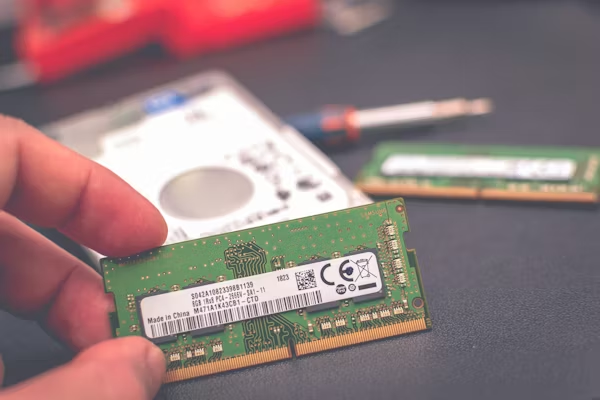
Why Asset Tag Removal Matters Before IT Asset Resale and Recycling
Before businesses resell, redeploy, or recycle retired IT equipment, they must address more than data stored on the devices. Physical asset tags, barcode labels, and company ownership stickers can connect equipment to internal inventory records, departments, and locations. Leaving these identifiers in place may expose unnecessary business information after equipment leaves the organization.
Working with an experienced asset tag removal company helps IT teams manage this transition. Proper removal supports data protection, inventory accuracy, and responsible asset disposition. At E-XPIRE, we help organizations prepare retired technology for secure processing and its next lifecycle stage.
This guide explains why asset tag removal matters and how businesses can integrate it into their IT asset resale and recycling procedures.
What Is Asset Tag Removal?
Asset tag removal involves taking company-specific identification labels and markings off IT equipment before transferring, reselling, redeploying, or recycling it.
These identifiers may include:
- Barcode and QR code labels
- Company asset number stickers
- Department and location labels
- Ownership identification tags
- Inventory tracking labels
Organizations use these markings to connect devices such as laptops, servers, monitors, and printers to inventory databases. These records may contain purchase details, assigned users, locations, and maintenance histories.
While useful during ownership, these identifiers may no longer be necessary once equipment moves to another organization. A professional asset tag removal company can identify the relevant labels, remove them carefully, and document the work without damaging equipment or removing identifiers that need to remain.
Why Asset Tag Removal Matters Before Resale and Recycling
1. Protect Internal Business Information
An asset tag may appear harmless, but its barcode or reference number could connect a device to internal company records. Depending on the organization's labeling system, this information may reveal ownership, department details, or equipment locations.
If devices enter the resale market with these markings intact, buyers or other parties may associate them with their previous owners. Removing company-specific identifiers helps reduce this unnecessary exposure.
However, physical tag removal does not erase information stored on a device. Businesses must also complete appropriate data sanitization, account removal, and access revocation before transferring equipment.
2. Maintain Accurate Inventory Records
Asset tracking relies on accurate records throughout the equipment lifecycle. If technicians remove tags without checking the inventory database, businesses may struggle to identify devices or reconcile their records.
A controlled process should include:
- Verifying each device against the asset register
- Recording its existing asset number and serial number
- Confirming the intended disposition route
- Documenting tag removal
- Updating ownership and inventory status
These steps help prevent retired equipment from appearing as active inventory and support procurement planning, audits, and financial reporting.
3. Prepare Equipment for Hardware Remarketing
Devices intended for resale should not carry unnecessary ownership markings from their previous organization. Company labels can create confusion about ownership and affect how equipment is presented to potential buyers.
Removing these identifiers helps prepare devices for inspection, grading, refurbishment, and resale. Businesses can incorporate this work into their wider hardware remarketing process, alongside testing and data sanitization.
Tag removal does not guarantee a higher resale price. Equipment condition, specifications, age, market demand, and refurbishment costs also influence its recovery value.
4. Support Responsible Electronics Recycling
Some retired equipment cannot be resold because it is obsolete, damaged, or no longer suitable for use. These devices may need to enter an appropriate electronics recycling process.
Removing internal ownership labels helps prevent unnecessary company information from moving through downstream processing. However, businesses should retain manufacturer serial numbers, regulatory markings, and identifiers required for safe handling or recycling documentation.
The U.S. Environmental Protection Agency's assessment of the U.S. recycling system cites estimates that the country generates 6.7 million tons of electronic waste, with only 16% captured for recycling. This highlights the importance of effective collection, reuse, and responsible recycling practices.
How Proper IT Asset Tag Removal Works
Tag removal should form part of a documented IT asset disposition workflow rather than happen as an isolated cleaning task.
Step 1: Inspect and Identify Equipment
Begin by checking each device for barcode labels, ownership stickers, and other company-specific markings. Record its equipment type, model, serial number, and existing asset ID.
Compare these details with inventory records to identify missing, duplicate, or mismatched information.
Step 2: Confirm the Disposition Route
Separate equipment intended for redeployment, resale, refurbishment, or recycling. The intended destination determines which identifiers should be removed and which must remain.
For example, a device prepared for resale may need its previous owner's asset labels removed, while its manufacturer serial number should remain available for identification.
Step 3: Remove Tags Carefully
Use a removal method suited to the label material and equipment surface. Controlled peeling and suitable adhesive-removal products can help prevent residue and surface damage.
Avoid aggressive scraping, excessive heat, and unsuitable chemicals, particularly when handling laptops, servers, and other delicate equipment.
Step 4: Verify and Document Completion
Inspect each device after removal to confirm that the required labels and adhesive residue are gone. Record completion against the corresponding asset ID and update the inventory system.
Documentation should identify the work completed, any labels retained, and the equipment's next destination. This creates a useful audit trail for IT teams and procurement managers.
The Connection Between Tag Removal and Data Security
Physical identifiers and digital data require separate security controls. Removing a company sticker does not erase files, stored credentials, or user information. Similarly, wiping a hard drive does not remove physical labels that identify the previous owner.
Businesses should therefore include tag removal and data sanitization as separate steps in their secure asset processing procedures.
The National Institute of Standards and Technology's media sanitization guidance explains how organizations can establish appropriate sanitization methods and controls based on information sensitivity and the intended use or disposal of storage media.
A complete process should address:
- Data classification: Identify the sensitivity of information stored on each device.
- Data sanitization: Select an appropriate method for the equipment and its intended destination.
- Access removal: Revoke user accounts and organizational access where applicable.
- Physical tag removal: Remove company-specific identifiers without damaging equipment.
- Verification and reporting: Document completed work and retain relevant disposition records.
At E-XPIRE, we treat identification removal as one part of a controlled equipment disposition process, not a replacement for data sanitization.
Common Mistakes to Avoid
Businesses can create avoidable processing and inventory problems when they overlook basic removal controls.
- Removing tags before checking records: This can make devices harder to match with inventory entries.
- Confusing tag removal with data destruction: Physical labels and digital storage require separate security measures.
- Removing manufacturer identifiers: Serial numbers and regulatory markings may be needed for identification or downstream processing.
- Using damaging techniques: Harsh chemicals and sharp tools can affect equipment condition.
- Ignoring accessories: Docking stations, keyboards, and power supplies may also carry company labels.
- Skipping final reconciliation: Unmatched assets can create gaps in inventory and disposition records.
A documented procedure and final verification help prevent these issues, particularly when organizations process large equipment batches.
What to Look for in an Asset Tag Removal Company
IT teams and procurement managers should assess more than a company's ability to remove physical labels. The right partner should understand how tag removal fits into the wider IT asset disposition process.
Consider these factors when evaluating IT asset tag removal services:
- Documented procedures: Does the company explain how it identifies, removes, and records tags?
- Equipment handling: Can it work with different device types and label materials without causing damage?
- Inventory reconciliation: Can it match equipment against supplied asset lists and report discrepancies?
- Security awareness: Does it distinguish physical tag removal from data sanitization?
- Disposition support: Can it prepare equipment for resale, redeployment, or recycling?
- Reporting: Does it provide records confirming completed work and asset status?
ITAD providers should also establish clear instructions about which labels to remove, which identifiers to retain, and what documentation each project requires.
How E-XPIRE Supports Asset Tag Removal
At E-XPIRE, we help organizations manage retired IT equipment through secure processing and responsible disposition. Our asset tag removal services support the removal of company-specific identification markings as part of equipment preparation.
We also connect this process with the next stage of the asset lifecycle. Equipment suitable for further use can move toward remarketing, while end-of-life devices can enter responsible electronics recycling.
By considering equipment identification, inventory records, and final disposition together, businesses can maintain better control over retired technology.
Make Asset Tag Removal Part of Your IT Asset Strategy
Asset tag removal helps businesses protect internal ownership information, maintain accurate inventory records, and prepare equipment for its next destination. When combined with data sanitization, equipment inspection, and documented disposition, it becomes an important part of secure IT asset management.
Working with a capable asset tag removal company can help organizations apply these controls consistently across individual devices and large equipment batches.
To discuss your equipment processing requirements, contact E-XPIRE and explore how our services can support your IT asset disposition process.
Frequently Asked Questions
1. Why should businesses remove asset tags before reselling IT equipment?
Removing company-specific tags helps limit unnecessary exposure of internal ownership information and prevents confusion with previous inventory records. It also prepares devices for inspection, refurbishment, and resale.
2. Does asset tag removal erase data from a device?
No. Physical tag removal does not erase files, credentials, or other digital information. Businesses must complete an appropriate data sanitization or destruction process separately.
3. Which identifiers should remain on IT equipment?
Manufacturer serial numbers, model details, regulatory markings, and identifiers required for downstream processing may need to remain. Businesses should define which labels to remove before processing begins.
4. Can IT asset tag removal services support both resale and recycling?
Yes. Tag removal can prepare equipment for either route. Resale devices may proceed to testing and refurbishment, while end-of-life equipment can enter appropriate electronics recycling channels.
5. What should businesses look for in an asset tag removal company?
Look for documented procedures, careful equipment handling, inventory reconciliation, security awareness, and clear reporting. The company should also understand the different requirements for resale, redeployment, and recycling.

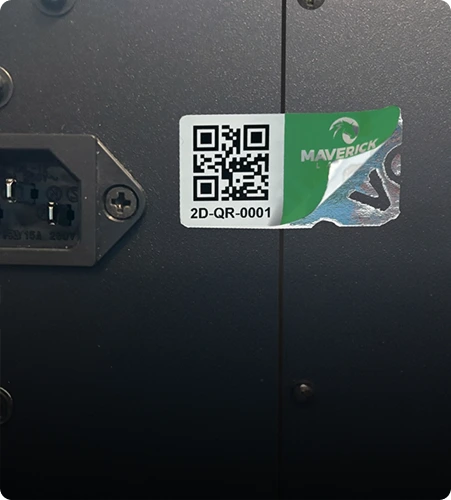
What Happens During a Professional Asset Tag Removal Process?
Asset tags help organizations identify, track, and manage equipment throughout its working life. These labels may contain barcodes, QR codes, serial references, or internal inventory numbers that connect physical devices to an organization's asset management system. However, when businesses retire, resell, redeploy, or recycle IT equipment, they may need to remove or update these identifiers to protect internal records and prepare devices for their next destination.
A professional asset tag removal service helps organizations manage this transition through a structured process. It involves more than peeling labels off equipment. Teams must identify the correct assets, verify inventory records, remove tags without damaging devices, and update tracking information to maintain accurate records.
At E-XPIRE, we understand that asset identification is an important part of secure IT asset disposition. A well-managed removal process helps businesses prepare equipment for reuse, remarketing, redeployment, or recycling while maintaining better control over their IT inventory.
Why Asset Tag Removal Matters in IT Asset Management
Asset tags connect physical equipment to internal records. They help IT and asset management teams identify devices, check ownership, monitor locations, and maintain visibility across departments or facilities.
When equipment reaches the end of its assigned lifecycle, those identifiers may no longer serve the original purpose. Leaving old tags in place can create confusion, expose internal asset references, or make equipment appear to belong to an organization after ownership or control has changed.
Professional tag removal can help businesses:
- Protect internal identification details: Remove labels containing company names, inventory references, barcodes, or other internal identifiers.
- Prepare equipment for resale: Make devices ready for remarketing without outdated ownership labels.
- Support redeployment: Prevent confusion between previous and current asset records when equipment moves between departments or locations.
- Improve inventory accuracy: Ensure retired equipment no longer appears as active in the organization's asset register.
- Prepare devices for recycling: Remove obsolete identification labels before equipment enters its next processing stage.
The importance of accurate records becomes clearer when organizations manage equipment at scale. A 2026 Government Accountability Office report on federal property disposal found that federal agencies disposed of more than 48 million unneeded personal property items through the General Services Administration's system between July 2023 and the end of fiscal year 2025. This demonstrates the scale of asset tracking and disposition activity that large organizations may need to manage.
1. Initial Equipment Assessment and Project Planning
A professional asset tag removal process begins with an assessment of the equipment and the organization's requirements. Before removing any label, the processing team needs to understand which devices are involved, where they are located, and how the business wants to manage their identifiers.
Identify Equipment Categories
The equipment list may include:
- Desktop computers and laptops
- Servers and networking devices
- Monitors and display equipment
- Printers and scanners
- Storage devices and peripherals
- Mobile phones and tablets
- Other business-owned electronic equipment
Different devices have different surfaces, finishes, and label placements. Reviewing these details helps determine suitable removal methods.
Establish Removal Requirements
Not every asset tag needs the same treatment. Some organizations may want all visible company labels removed, while others may need additional identification materials retained for reconciliation or audit purposes.
The business should clarify:
- Which tags and labels need removal.
- Whether barcodes, QR codes, and serial references require separate treatment.
- Whether manufacturer labels or regulatory markings must remain.
- Whether devices are intended for resale, reuse, redeployment, or recycling.
- What documentation the processing team should provide.
Clear instructions help prevent accidental removal of information that the organization still needs.
2. Inventory Verification Before Tag Removal
Before technicians begin removing labels, they should verify the equipment against the supplied asset inventory. This step helps ensure that the correct devices enter the process and that businesses retain a record of the equipment being handled.
A typical verification process includes:
Match Physical Devices With Asset Records
Technicians compare available identifiers, such as asset numbers, serial numbers, equipment descriptions, and model details, with the organization's inventory list.
Record Missing or Damaged Tags
Some equipment may arrive with labels that are missing, damaged, faded, or unreadable. The team should record these exceptions rather than assigning an assumed identity.
Identify Duplicate or Conflicting References
Businesses may have used different inventory systems over time. A device could carry an old barcode alongside a newer company asset label. Identifying these differences before removal helps prevent mismatches during record updates.
Confirm the Removal List
Once the equipment matches the approved inventory, the team can establish which labels to remove and which identifiers to retain.
This verification stage is particularly useful for enterprises managing large batches of IT equipment. It reduces the risk of removing the wrong identifier or losing the connection between physical devices and internal records.
3. Document Existing Asset Information
Removing a tag without preserving the relevant asset information can create problems later. Once a label disappears, the business may lose an easy way to connect the physical device with its previous inventory record.
For this reason, documentation should take place before the removal work begins.
The information recorded may include:
- Original asset tag or inventory number.
- Equipment manufacturer and model.
- Serial number, where available.
- Device category and condition.
- Current department or assigned location.
- Removal status and processing date.
- Any exceptions identified during verification.
Photographs may also help document tag placement and the device's condition before processing, particularly when organizations need a visual record.
The objective is to preserve the information needed for reconciliation while removing outdated physical identifiers. This allows IT teams to maintain historical records even after the original labels have been removed.
4. Professional Asset Tag Removal Techniques
Once the team verifies and documents the equipment, technicians can begin removing the specified labels. The appropriate technique depends on the label material, adhesive strength, device surface, and condition of the equipment.
Assess the Label and Surface
Asset tags may use paper, vinyl, polyester, or other materials. They may also have permanent adhesives designed to resist tampering or environmental exposure.
Technicians should first identify the label type and check the surface beneath it. Metal cases, plastic housings, coated panels, and textured surfaces may require different handling approaches.
Remove Labels Carefully
The removal method should minimize the risk of scratching, cracking, discoloring, or otherwise damaging the equipment. Technicians may use controlled heat, suitable tools, or approved adhesive-removal products when appropriate for the device's material.
They should avoid aggressive scraping or chemicals that could affect plastic housings, screens, finishes, or sensitive components.
Address Adhesive Residue
Some labels leave adhesive behind even after the main material comes away. Technicians may need to clean the surface using a compatible method that does not damage the equipment.
Check for Additional Identification Labels
A device may carry more than one company identifier. Technicians should check approved removal areas for secondary asset stickers, barcode labels, or ownership markings that the business has requested them to remove.
Throughout this stage, the focus should remain on removing the correct labels while preserving the physical condition of the equipment.
5. Update Inventory Records and Maintain Traceability
After physical tag removal, organizations need to update their asset management records. This ensures that the business does not continue treating retired equipment as active inventory under an identifier that no longer appears on the device.
The update process should connect the original asset record with the equipment's next disposition status.
For example:
| Record field | Information to maintain |
| Original asset ID | Identifier used before tag removal |
| Serial number | Manufacturer-assigned device reference |
| Removal status | Completed, pending, or exception |
| Processing date | Date the tag was removed |
| New asset reference | Updated identifier, if applicable |
| Disposition status | Redeployed, remarketed, recycled, or retired |
This information can help asset managers reconcile equipment records and maintain an audit trail.
The value of accurate disposition records extends beyond physical label removal. The same GAO report found that only about 9% of more than 48 million disposed federal personal property items were reused, through transfers, donations, or sales. This finding from the GAO's federal property disposal analysis illustrates why organizations should preserve accurate identification and condition records when assessing equipment for future use.
At E-XPIRE, we consider traceability an important part of responsible IT asset processing. Removing an identifier should not mean losing the information needed to account for the device.
6. Quality Checks After Removal
A final inspection helps confirm that the work meets the organization's requirements. Technicians should review both the physical condition of the equipment and the completion of the associated records.
A quality check may include:
- Confirming that all specified asset tags have been removed.
- Checking for remaining adhesive residue.
- Inspecting the device for scratches or surface damage.
- Verifying that manufacturer and required regulatory labels remain intact.
- Matching completed work against the approved inventory list.
- Recording devices with missing tags or other exceptions.
- Confirming that inventory records reflect the completed removal.
For larger projects, businesses may also request a completion report that summarizes the number of devices processed and identifies any exceptions.
These checks help organizations avoid incomplete work and make it easier to prepare equipment for its next stage.
7. Prepare Equipment for Its Next Lifecycle Stage
Asset tag removal often forms part of a wider IT asset disposition workflow. Once the organization has verified the equipment, documented its identifiers, and completed the requested removal, it can prepare devices for their next destination.
Redeployment
Equipment that remains suitable for business use may move to another department, office, or operational environment. The organization can assign new internal identifiers where necessary and update the asset register to reflect the change.
Remarketing or Resale
Devices intended for resale may need outdated company labels removed to prepare them for a new owner. Businesses should also address data sanitization, condition assessment, and other preparation requirements before remarketing.
Recycling
Equipment that has reached the end of its useful life may proceed to responsible electronics recycling. Removing obsolete identification labels can form part of the wider preparation process, alongside data destruction and equipment assessment.
Businesses planning these activities can explore E-XPIRE's asset tag removal solutions as part of a structured approach to preparing retired IT equipment.
How E-XPIRE Supports Professional Asset Tag Removal
At E-XPIRE, we help organizations manage the preparation and disposition of retired IT equipment through services that address asset identification, secure handling, and responsible processing.
Our asset tag removal capabilities support businesses that need to remove outdated ownership labels and identifiers from equipment before its next lifecycle stage. We understand that the work must account for accurate inventory information and the physical condition of devices.
Our broader IT asset disposition services include secure data destruction, electronics recycling, asset remarketing, asset redeployment, and logistics support. By considering these activities together, we help organizations manage equipment retirement through a more coordinated process.
Whether your organization is preparing a small equipment batch or managing a larger IT refresh, the process should preserve the information needed for asset reconciliation while preparing devices for their intended destination.
Make Asset Tag Removal Part of Your IT Asset Management Process
Professional asset tag removal involves several connected steps, from equipment assessment and inventory verification to careful label removal, record updates, and final quality checks. Each stage helps organizations maintain control over retired equipment while reducing confusion around ownership and identification.
When businesses treat tag removal as part of their wider IT asset management process, they can prepare equipment more effectively for redeployment, remarketing, or recycling. Maintaining accurate records also helps preserve traceability after physical labels no longer appear on devices.
E-XPIRE supports businesses with asset tag removal and IT asset disposition services designed to help manage equipment throughout its retirement process. If your organization is planning an IT refresh or needs support preparing equipment for its next destination, contact E-XPIRE to discuss your requirements.
Frequently Asked Questions
1. What is a professional asset tag removal service?
An asset tag removal service involves identifying business equipment, verifying its inventory details, removing designated company labels, and checking the results. The process helps prepare devices for redeployment, remarketing, resale, or recycling while preserving the information needed for asset records.
2. Why should businesses remove asset tags before reselling or recycling IT equipment?
Old asset tags may contain company names, internal inventory numbers, barcodes, or other ownership references. Removing them helps prevent confusion about previous ownership and prepares equipment for its next destination. Businesses should preserve relevant inventory information before removing the physical labels.
3. Can asset tags be removed without damaging equipment?
Yes, technicians can use suitable removal methods based on the label material, adhesive, and equipment surface. A professional process aims to remove labels and residue without scratching or damaging the device. The method should account for sensitive finishes and manufacturer markings.
4. Should businesses update their asset register after tag removal?
Yes. Organizations should preserve the original asset identifier, record the removal status, and update the equipment's current disposition. This helps maintain an audit trail and prevents retired devices from appearing as active assets under outdated identification numbers.
5. Is IT asset tag removal part of the IT asset disposition process?
Yes. IT asset tag removal can support the preparation stage of IT asset disposition. Businesses may arrange it alongside inventory verification, data sanitization, equipment assessment, remarketing, redeployment, or electronics recycling, depending on the intended outcome for each device.

How Professional Asset Tag Removal Companies in New York Improve IT Asset Security
Managing IT assets requires accurate tracking, secure handling, and proper documentation throughout the entire equipment lifecycle. When businesses upgrade technology, replace hardware, or prepare devices for redeployment, asset tags must be handled carefully to maintain inventory accuracy and protect sensitive asset information.
Working with an experienced Asset Tag Removal company New York helps organizations securely remove identification labels from retired IT equipment while maintaining proper asset control. Professional asset tag removal ensures that outdated tracking information does not remain attached to devices, reducing security risks and supporting smoother IT asset management processes.
Why Is Asset Tag Removal Important During IT Asset Refresh Projects?
IT asset refresh projects often involve replacing large volumes of computers, servers, storage devices, and other technology equipment. During this transition, outdated asset labels can create confusion, security concerns, and inaccurate inventory records if they are not properly removed.
Protecting Business Identity and Asset Information
Asset tags often contain important information such as internal identification numbers, ownership details, department references, or tracking codes. Leaving these labels attached to retired equipment can expose business information and make it easier for unauthorized individuals to identify previously managed assets.
Professional asset tag removal ensures that old identification details are removed before equipment is redeployed, resold, or recycled. This additional security step helps businesses maintain control over their technology assets even after they leave active use.
Maintaining Accurate IT Inventory Records
Accurate inventory management depends on reliable asset records. When equipment moves through different lifecycle stages, outdated labels can create mismatches between physical devices and digital inventory systems.
Removing old tags helps organizations maintain cleaner records and ensures that retired equipment is properly updated within asset management systems. This improves visibility and supports better decision-making during future technology planning.
What Does an Asset Tag Removal Company in New York Do?
An asset tag removal company provides specialized services to help businesses prepare IT equipment for its next stage. These services focus on secure label removal, asset preparation, and maintaining proper handling procedures.
Removing Identification Labels From Retired IT Equipment
Professional asset tag removal involves carefully removing barcode labels, serial number stickers, inventory tags, and other identification markings from technology equipment. The process must be completed without damaging devices or affecting their potential reuse value.
Experienced providers use controlled methods to ensure that all required labels are removed while maintaining equipment condition and security standards.
Preparing Hardware for Redeployment, Resale, or Recycling
Before equipment enters another lifecycle stage, proper preparation is essential. Asset tag removal helps create a clean transition for devices being redeployed internally, resold through recovery programs, or processed through recycling channels.
This preparation process supports better asset management by ensuring equipment no longer carries outdated ownership or tracking information.
How Does IT Asset Tag Removal Improve Data Security?
Although asset tags do not directly store digital information, they can reveal important details about business equipment. Removing these identifiers supports broader security practices during IT asset retirement.
Preventing Unauthorized Asset Tracking and Information Exposure
Old asset labels may provide information about company equipment, internal tracking systems, or previous ownership details. Removing these identifiers reduces the possibility of unauthorized tracking or misuse of asset information.
A secure asset retirement process should include both data destruction and physical asset preparation to protect business information at every stage.
Supporting Secure IT Asset Disposal Processes
Asset tag removal is an important part of secure IT asset disposal. When combined with data destruction, inventory management, and proper documentation, it helps organizations maintain stronger control over retired technology.
Businesses should ensure their disposal partner follows structured processes that protect equipment information before assets are reused or recycled.
Why Should Businesses Use Professional Asset Tag Removal Services in New York?
Professional services provide businesses with consistent procedures, specialized handling, and improved security during large-scale technology transitions.
Ensuring Consistent and Secure Asset Processing
Large organizations often manage thousands of devices during technology refresh projects. Manual removal processes can create inconsistencies and increase the possibility of missed labels or inaccurate records.
Professional providers follow established workflows that ensure every device receives the same level of attention and documentation.
Reducing Risks During Large-Scale Technology Refreshes
Technology refresh projects involve multiple stages, including collection, transportation, processing, and final disposition. Professional asset tag removal services help reduce risks by ensuring equipment is properly prepared before moving through the asset lifecycle.
Maintaining Compliance With Internal IT Policies
Many organizations maintain strict internal policies for asset tracking, security, and equipment retirement. Professional removal services help businesses follow these procedures by providing documented processes and reliable handling methods.
How Does Asset Tag Removal Support Better IT Asset Management?
Asset management depends on accurate information throughout the entire lifecycle of technology equipment. Proper tag removal supports cleaner transitions between active use, retirement, and final processing.
Improving Inventory Accuracy and Hardware Tracking
Removing outdated labels prevents confusion between retired equipment and active inventory. This allows IT teams to maintain accurate records and improve visibility across their technology environment.
Creating a Clear Transition Between Asset Lifecycle Stages
Every IT asset moves through different stages, including procurement, deployment, maintenance, retirement, and disposal. Asset tag removal creates a clear separation between these stages by ensuring equipment no longer carries outdated identification information.
What Challenges Can Businesses Face Without Proper IT Asset Tag Removal?
Skipping professional asset tag removal can create operational and security issues during technology retirement.
Incorrect Asset Records and Inventory Mismatches
When old tags remain attached to devices, inventory systems may not accurately reflect asset status. This can make tracking equipment more difficult and create administrative challenges.
Improper Handling of Retired Technology Equipment
Retired devices require careful preparation before reuse, resale, or recycling. Without proper processing, equipment may continue carrying unnecessary identification information.
Increased Security and Compliance Risks
Poor asset handling practices can increase security risks by exposing internal asset details. Professional tag removal supports stronger compliance and improves overall asset control.
How Is Professional IT Asset Tag Removal Different From Manual Removal?
Professional services provide a more controlled approach compared to basic manual removal methods.
Specialized Tools and Controlled Processing Methods
Experienced providers use appropriate techniques and processes to remove labels efficiently while maintaining equipment condition. Controlled procedures reduce errors and improve consistency.
Reducing Damage to Equipment During Preparation
Improper label removal can damage device surfaces or affect resale value. Professional handling ensures equipment remains in suitable condition for future processing.
What Should Businesses Look for in IT Asset Tag Removal Services in New York?
Choosing the right provider helps organizations maintain security, accuracy, and efficiency throughout asset transitions.
Experience With Enterprise IT Equipment
Businesses should select providers with experience handling large volumes of enterprise technology assets. Knowledge of different equipment types helps ensure proper processing.
Secure Handling Procedures and Documentation
Reliable providers should maintain secure workflows supported by documentation, tracking records, and clear processing procedures.
Integration With ITAD and Asset Disposal Processes
Asset tag removal should work alongside broader IT asset disposition services. A complete approach combines tag removal, data destruction, logistics, recovery, and responsible recycling.
Organizations looking for complete lifecycle support can benefit from working with IT asset tag removal New York specialists that integrate secure processing with wider IT asset management solutions.
Why Choose E-XPIRE for Asset Tag Removal Services in New York?
Businesses require reliable partners that understand security, compliance, and enterprise technology management requirements.
Secure IT Asset Processing for Enterprise Technology Projects
E-XPIRE provides secure IT asset processing solutions designed to support technology refresh projects, asset retirement, and lifecycle management. Their structured approach helps businesses maintain control over equipment while improving operational efficiency.
Supporting Businesses With Reliable IT Asset Lifecycle Solutions
E-XPIRE supports organizations with comprehensive asset management services, including secure processing, asset preparation, recovery solutions, and responsible disposition practices. Their expertise helps businesses manage technology transitions with confidence.
Conclusion
Professional asset tag removal plays an important role in maintaining IT asset security, improving inventory accuracy, and supporting efficient technology lifecycle management. Removing outdated identification labels helps businesses protect asset information while preparing equipment for redeployment, resale, or recycling.
By partnering with an experienced provider, organizations can ensure secure handling, proper documentation, and smoother IT asset transitions.
Frequently Asked Questions
1. What is asset tag removal?
Asset tag removal is the process of securely removing identification labels, barcode stickers, and tracking tags from IT equipment before redeployment, resale, or recycling.
2. Why is professional asset tag removal important?
Professional removal ensures equipment is processed securely, prevents outdated asset information exposure, and helps maintain accurate inventory records.
3. Which devices require asset tag removal?
Asset tag removal can be performed on computers, laptops, servers, storage devices, networking equipment, and other business technology assets.
4. How does asset tag removal support IT asset disposal?
Asset tag removal complements IT asset disposal by preparing equipment for secure retirement while removing outdated ownership and tracking information.
5. What should businesses consider when choosing an asset tag removal provider?
Businesses should evaluate experience, security procedures, documentation practices, enterprise capabilities, and integration with broader IT asset disposition services.

Asset Tag Removal Service Checklist Before Reselling or Recycling IT Equipment
Preparing IT equipment for resale or recycling involves much more than disconnecting devices from the workplace. Every computer, laptop, server, networking device, and storage system must be properly identified, documented, sanitized, and processed before leaving the organization. One of the most overlooked yet critical steps is removing outdated asset tags. Old labels can expose company information, create inventory confusion, and complicate asset tracking throughout the disposition process.
Working with a professional Asset Tag Removal Service helps organizations prepare equipment for secure resale, responsible recycling, and certified IT asset disposition. By following a structured checklist, businesses can improve inventory accuracy, protect sensitive information, and maintain compliance throughout the asset lifecycle.
Why Is Asset Tag Removal Essential Before Reselling or Recycling IT Equipment?
Removing outdated asset labels is an important step before any IT equipment is remarketed or recycled. Legacy asset tags often contain company identification numbers, barcodes, department information, or internal tracking references that should not remain on devices leaving the organization.
Preventing Asset Misidentification and Data Exposure
Old asset labels increase the possibility of equipment being incorrectly identified during processing. Multiple labels attached to a single device may lead to duplicate inventory records or confusion during hardware tracking. In addition, visible company identification numbers can reveal information about internal asset management practices. Removing outdated labels minimizes these risks while ensuring devices are ready for their next stage.
Supporting Accurate IT Asset Records and Compliance
Asset records should accurately reflect every device being prepared for resale or recycling. Removing previous identification labels allows organizations to update inventory systems without duplicate references or conflicting asset numbers. Accurate records also support internal audits, regulatory compliance, and documentation required during certified IT asset disposition.
What Should Be Included in an IT Asset Preparation Checklist?
A complete preparation process ensures every device is properly documented before leaving the organization. Standardized procedures improve efficiency while reducing administrative errors.
Verifying Inventory and Asset Information
Before hardware is processed, organizations should verify serial numbers, manufacturer details, asset records, and equipment status. Comparing physical inventory against digital records ensures every device is accounted for and accurately documented. This verification step helps eliminate discrepancies before resale or recycling begins.
Identifying Devices Ready for Resale or Recycling
Not every device follows the same disposition path. Some equipment may still have resale value, while outdated or damaged hardware may require responsible recycling. Proper assessment allows organizations to separate equipment according to condition, functionality, and business requirements before processing continues.
Why Should Asset Tags Be Removed Before Hardware Remarketing?
Hardware remarketing depends on presenting equipment in a secure, professional, and market ready condition. Removing legacy asset labels supports both security and resale objectives.
Protecting Company Identity and Sensitive Information
Asset tags often display company names, inventory codes, or tracking numbers that should not remain visible after equipment changes ownership. Removing these labels protects organizational identity while preventing unnecessary exposure of internal asset management information. Providers like E-XPIRE combine professional asset tag removal with structured IT asset processing to help businesses prepare equipment for secure remarketing and responsible disposition while maintaining accurate inventory documentation.
Improving the Value and Market Readiness of IT Assets
Devices that appear clean and professionally prepared are generally easier to remarket. Removing outdated labels improves the overall appearance of equipment while reducing questions about previous ownership or inventory history. Proper preparation supports a smoother remarketing process and increases confidence among buyers and processing partners.
What Other Steps Should Be Completed Before Asset Disposal?
Asset tag removal should be part of a larger preparation strategy that protects information and verifies equipment condition before final disposition.
Secure Data Destruction and Device Sanitization
Before any device leaves the organization, all sensitive information should be permanently removed using approved data destruction methods. Proper sanitization protects confidential business information while ensuring compliance with organizational policies and industry regulations. Documentation confirming successful data destruction should also be maintained for future reference.
Functional Testing and Hardware Inspection
Inspecting equipment before disposition helps determine whether devices qualify for resale, refurbishment, or recycling. Functional testing verifies hardware condition, identifies damaged components, and supports accurate valuation. These inspections also improve inventory records by documenting the final status of each asset.
How Does an Asset Tag Removal Service Support Certified ITAD?
Certified IT Asset Disposition programs rely on standardized processes that protect equipment throughout its lifecycle. Asset tag removal contributes directly to these procedures.
Maintaining Chain of Custody Throughout Asset Processing
Chain of custody documents every stage of asset handling, from collection through transportation, processing, resale, or recycling. Accurate identification ensures every device remains traceable throughout the entire disposition process. Businesses searching for asset tag removal near me often require experienced providers capable of maintaining secure documentation and complete visibility throughout certified ITAD workflows.
Meeting Compliance and Documentation Requirements
Many organizations must demonstrate compliance with internal policies and regulatory standards when disposing of IT assets. Professional asset processing includes documentation for inventory verification, asset handling, data destruction, and final disposition. Maintaining complete records supports audits while reducing administrative challenges.
What Are the Risks of Skipping Asset Tag Removal?
Skipping asset tag removal may appear to save time, but it often creates avoidable operational problems later in the asset disposition process.
Inventory Errors and Tracking Challenges
Devices carrying outdated labels can easily create duplicate inventory records, inaccurate tracking information, and confusion during audits. Incorrect asset identification also complicates hardware management across multiple locations, making future reporting less reliable.
Reduced Resale Value and Increased Security Risks
Visible legacy labels reduce the professional appearance of equipment while exposing company identifiers that should remain confidential. These issues may affect resale opportunities and increase unnecessary security concerns. Removing outdated asset tags helps present equipment in a cleaner and more secure condition before remarketing or recycling.
How Can Businesses Ensure Secure Processing Before IT Asset Disposition?
Consistent asset handling procedures improve security, inventory accuracy, and operational efficiency during hardware disposition.
Standardizing Asset Handling Procedures
Organizations should establish documented workflows covering inventory verification, asset tag removal, data destruction, equipment inspection, documentation, transportation, and final disposition. Standardized procedures reduce processing errors while improving consistency across large enterprise projects.
Working With a Trusted Certified ITAD Provider
Partnering with an experienced Certified ITAD provider ensures equipment is handled according to recognized industry standards. Professional providers maintain secure facilities, documented processes, trained personnel, and comprehensive reporting throughout the disposition process.
What Should You Look for in an Asset Tag Removal Service?
Selecting the right service provider helps organizations maintain inventory accuracy while supporting secure IT asset management.
Experience With Enterprise IT Asset Preparation
A qualified provider should have experience managing enterprise scale projects involving diverse hardware types and multiple business locations. Familiarity with structured asset preparation procedures improves project efficiency and reduces operational risks.
Secure Processing, Documentation, and Scalable Solutions
Organizations should choose providers that offer secure processing environments, detailed documentation, scalable service capabilities, and transparent reporting. These qualities help support compliance, inventory accuracy, and efficient hardware disposition regardless of project size.
Why Choose E-XPIRE for Asset Tag Removal and IT Asset Preparation?
Businesses need dependable partners that understand the complexities of enterprise IT asset management and certified disposition.
Certified ITAD Services With Secure Processing
E-XPIRE delivers professional asset tag removal as part of comprehensive Certified ITAD services designed to protect inventory accuracy, maintain security, and support regulatory compliance throughout every stage of asset processing.
End-to-End Support for Hardware Remarketing and Responsible Recycling
From inventory verification and asset tag removal to secure processing, documentation, hardware remarketing, and responsible recycling, E-XPIRE provides complete lifecycle support that helps organizations manage IT refresh and disposition projects with confidence.
Conclusion
A successful IT asset disposition strategy begins with careful preparation. Removing outdated asset tags, verifying inventory records, sanitizing data, inspecting hardware, and maintaining complete documentation all contribute to secure and efficient resale or recycling. Organizations that follow a structured preparation checklist reduce inventory errors, strengthen compliance, improve hardware value, and maintain accurate tracking throughout the asset lifecycle.
Ready to secure your IT assets? Contact E-XPIRE Now.
FAQs
1. Why is asset tag removal important before selling IT equipment?
Removing old asset tags prevents inventory confusion, protects company identification, and prepares devices for secure resale or responsible recycling.
2. Does asset tag removal affect the condition of IT equipment?
Professional asset tag removal uses specialized techniques that safely remove labels without damaging hardware surfaces or affecting device functionality.
3. What is included in IT asset preparation?
IT asset preparation typically includes inventory verification, asset tag removal, secure data destruction, hardware inspection, documentation, and preparation for resale or recycling.
4. How does Certified ITAD support secure asset disposal?
Certified ITAD providers follow standardized processes for secure handling, documentation, data destruction, compliance, and environmentally responsible asset disposition.
5. How can businesses improve inventory accuracy before IT asset disposition?
Businesses can improve inventory accuracy by verifying asset records, removing outdated labels, maintaining hardware tracking, conducting inventory audits, and partnering with experienced IT asset processing providers.
How an Asset Tag Removal Company Improves Inventory Accuracy During IT Refreshes
Organizations regularly refresh IT equipment to improve performance, strengthen security, and support business growth. However, replacing large numbers of computers, servers, networking devices, and other hardware can quickly create inventory problems if older asset labels remain attached. Legacy asset tags often lead to duplicate records, inaccurate tracking, and confusion during redeployment or disposal. Without a structured process, businesses may lose visibility into valuable equipment and struggle to maintain accurate inventory records.
Working with an Asset Tag Removal Company ensures outdated labels are professionally removed before new identification systems are applied. This creates a clean foundation for inventory accuracy, simplifies IT asset management, and supports better hardware tracking throughout every stage of the refresh process.
Why Is Asset Tag Removal Important During an IT Refresh?
An IT refresh involves replacing or upgrading devices across one or multiple business locations. During this process, removing outdated asset labels is an essential step toward maintaining reliable inventory data.
How Old Asset Tags Create Inventory Confusion
Many enterprise devices accumulate multiple asset labels over several years. Different departments, previous owners, or legacy tracking systems may all have placed identification tags on the same hardware. When these labels remain attached, technicians may scan the wrong barcode or record outdated information, leading to inventory inconsistencies. This confusion becomes even more challenging when thousands of devices are processed during enterprise refresh projects, making professional asset tag removal an important part of inventory control.
The Impact of Inaccurate Asset Records on IT Operations
Accurate inventory records allow IT teams to locate equipment quickly, schedule upgrades efficiently, and verify asset ownership. Incorrect records create unnecessary delays during audits, maintenance planning, warranty management, and compliance reporting. Poor inventory accuracy also makes budgeting for future hardware purchases more difficult because organizations cannot accurately determine which assets remain in service.
What Does an Asset Tag Removal Company Do?
An asset tag removal company specializes in removing outdated identification labels while protecting the physical condition of valuable IT equipment. This process supports inventory consistency throughout hardware lifecycle management.
Removing Legacy Labels Without Damaging Equipment
Enterprise devices often contain adhesive labels designed to remain attached for years. Improper removal can leave residue, damage device surfaces, or remove manufacturer information. Professional technicians use specialized methods that safely remove old labels without affecting equipment appearance or functionality. Companies like E-XPIRE provide structured asset processing services that help organizations prepare hardware for accurate identification, redeployment, resale, or secure disposal while maintaining inventory integrity throughout the refresh process.
Supporting Accurate Asset Identification Throughout the Refresh Process
Once outdated labels have been removed, each device can receive updated identification that aligns with the organization's current inventory management system. This standardized approach eliminates confusion and ensures every device is properly recorded before entering its next stage within the IT lifecycle.
How Does Professional Asset Tag Removal Improve Inventory Management?
Inventory management depends on accurate identification from the moment equipment enters the organization until its final disposition.
Eliminating Duplicate or Incorrect Asset Records
Duplicate records frequently occur when devices retain previous asset numbers after ownership changes or system migrations. Removing legacy labels eliminates conflicting identifiers before new records are created. As a result, inventory databases remain organized, accurate, and easier to maintain. This reduces manual reconciliation work and improves reporting accuracy across the organization.
Maintaining Accurate Hardware Tracking Across Multiple Locations
Large organizations often manage equipment across offices, warehouses, remote facilities, and data centers. Consistent asset identification allows IT departments to monitor device locations, movement, maintenance schedules, and ownership without relying on outdated records. Reliable tracking supports better decision making and improves operational visibility across every business location.
Why Is IT Asset Processing Essential for Enterprise Refresh Projects?
IT asset processing includes multiple services that prepare equipment for redeployment, resale, recycling, or disposal. Asset tag removal plays an important role within this structured workflow.
Standardizing Device Identification Before Redeployment or Disposal
Before devices are redeployed internally or transferred to another owner, outdated labels should be removed so that only current identification remains visible. Standardized labeling prevents confusion and supports accurate inventory updates across enterprise asset management systems.
Improving Efficiency Through Organized Asset Processing
Organized IT asset processing reduces delays by following standardized procedures for inspection, label removal, inventory verification, documentation, and final disposition. Processing equipment in a consistent sequence allows organizations to complete refresh projects faster while minimizing administrative errors and maintaining accurate inventory records.
How Does Hardware Tracking Support Better Lifecycle Management?
Effective hardware tracking provides complete visibility into every stage of an asset's operational life.
Tracking Assets From Collection to Final Disposition
Each device moves through multiple phases, including deployment, maintenance, upgrades, storage, redeployment, resale, recycling, or disposal. Reliable hardware tracking documents every transition while maintaining a complete asset history. Businesses searching for asset tag removal near me often need experienced providers that support this level of end to end asset visibility and documentation throughout enterprise refresh projects.
Reducing Lost or Misidentified IT Equipment
When every asset carries only one current identifier, the risk of equipment being misplaced or incorrectly assigned decreases significantly. Clear identification supports inventory accuracy, simplifies audits, and allows organizations to locate equipment more efficiently whenever maintenance or replacement becomes necessary.
What Are the Risks of Skipping Asset Tag Removal?
Ignoring asset tag removal during IT refreshes may appear to save time initially, but it often creates larger operational challenges later.
Inventory Errors and Compliance Challenges
Old labels increase the likelihood of duplicate inventory records, incorrect ownership information, and inaccurate audit documentation. These issues can complicate compliance reporting, internal asset verification, and financial record keeping. Organizations that rely on precise inventory data may experience unnecessary administrative workloads when correcting these errors after deployment.
Delays in Redeployment, Resale, and Asset Disposal
Devices carrying multiple asset identifiers often require additional verification before they can be redeployed, sold, recycled, or securely disposed of. This slows project completion and increases operational costs. Professional asset processing prevents these delays by ensuring every device enters its next lifecycle stage with accurate identification.
What Should Businesses Look for in an Asset Tag Removal Company?
Choosing the right service provider directly influences inventory quality and project efficiency.
Experience With Enterprise IT Asset Processing
Organizations should select companies experienced in handling large scale enterprise refresh projects involving diverse hardware types. Knowledge of enterprise asset management procedures helps ensure equipment is processed accurately while maintaining detailed documentation throughout every stage.
Secure, Documented, and Scalable Service Capabilities
Reliable providers maintain documented workflows, secure handling procedures, and scalable operations capable of processing thousands of devices across multiple locations. Comprehensive documentation also supports inventory verification, audit readiness, and regulatory compliance.
How Can Businesses Build a More Accurate Asset Management Process?
Long term inventory accuracy requires more than simply replacing hardware. It depends on standardized processes that support every stage of the asset lifecycle.
Combining Asset Tag Removal With Inventory Audits
Regular inventory audits verify that physical equipment matches digital asset records. Combining these audits with professional asset tag removal eliminates outdated identifiers before discrepancies appear, improving long term inventory accuracy and reducing manual reconciliation efforts.
Integrating Hardware Tracking Into IT Lifecycle Management
Hardware tracking should remain active from initial acquisition through final disposition. Integrating tracking with asset management systems creates complete lifecycle visibility, improves reporting accuracy, strengthens operational planning, and supports informed purchasing decisions for future refresh projects.
Why Choose E-XPIRE for Asset Tag Removal and IT Asset Processing?
Organizations require dependable partners capable of managing complex IT refresh initiatives while maintaining inventory accuracy.
End-to-End Asset Processing for Enterprise IT Refresh Projects
E-XPIRE provides structured asset processing services that include professional asset tag removal, inventory verification, hardware identification, and documentation. This organized approach helps enterprises complete refresh projects efficiently while reducing inventory discrepancies.
Accurate Inventory Management and Secure Hardware Tracking
Through standardized workflows and secure processing procedures, E-XPIRE helps businesses improve inventory accuracy, maintain reliable hardware tracking, and simplify enterprise asset lifecycle management from collection through final disposition.
Conclusion
Maintaining accurate inventory during IT refreshes requires more than replacing outdated hardware. Removing legacy asset tags, standardizing identification, and implementing organized asset processing all contribute to reliable inventory management and efficient hardware tracking. Businesses that invest in professional asset tag removal reduce operational errors, improve compliance, streamline redeployment, and strengthen long term asset visibility across every stage of the IT lifecycle.
Ready to improve your IT inventory accuracy? Contact E-XPIRE Today.
FAQs
1. Why should businesses remove old asset tags during an IT refresh?
Old asset tags create duplicate records, inventory confusion, and inaccurate hardware tracking. Removing them ensures every device has one accurate identifier.
2. Does asset tag removal damage IT equipment?
Professional asset tag removal uses specialized techniques that safely remove labels without damaging equipment surfaces or affecting device functionality.
3. How does asset tag removal improve inventory management?
It eliminates duplicate identifiers, improves record accuracy, supports hardware tracking, and simplifies inventory audits across enterprise environments.
4. What is included in IT asset processing?
IT asset processing may include inventory verification, asset tag removal, device identification, documentation, hardware tracking, redeployment preparation, resale preparation, recycling, and secure disposal.
5. How does hardware tracking support enterprise asset management?
Hardware tracking provides visibility throughout the entire asset lifecycle, helping organizations monitor equipment locations, ownership, maintenance history, redeployment, and final disposition while maintaining accurate inventory records.
Why Asset Tag Removal Is Critical During IT Asset Decommissioning
When organizations retire IT equipment, the focus is usually on data destruction, hardware recycling, and compliance documentation. However, one often-overlooked step can quietly undermine all those efforts: asset tag removal. Asset tags like barcodes, RFID labels, etched serial numbers, or company-branded identifiers may seem harmless, but when left behind, they can expose sensitive information, create security vulnerabilities, and introduce compliance risks long after an asset leaves your facility.
For U.S. organizations managing large volumes of IT equipment, an effective asset tag removal service is not a cosmetic add-on. It is a critical control point in reducing security risk during IT asset decommissioning. E-XPIRE, a trusted provider of secure IT asset disposition services in the United States, integrates professional asset tag removal into its decommissioning workflows to help organizations close this often-missed gap in their security posture.
This guide explains why asset tag removal is a critical component of IT asset decommissioning, particularly for U.S.-based enterprises managing security, compliance, and risk reduction.
Why Asset Tag Removal Matters in IT Decommissioning?
When IT teams decommission servers, laptops, and network gear, the focus often centers on data wiping and physical destruction but visible identifiers are just as important. Asset tags, labels, barcodes, engravings, and stickers can all reveal which organization owned a device, where it came from, or how it was used.
If these identifiers remain on equipment that is resold, donated, or recycled, attackers can:
- Link devices back to your organization and use them as open-source intelligence for targeted attacks.
- Learn hardware models, asset numbering schemes, and site codes that help impersonate staff or vendors.
- Identify specific business units or locations, making physical or social-engineering intrusions easier to plan.
Reports on IT asset decommissioning consistently highlight residual identifiers and poorly documented processes as common security weaknesses during disposal. A formal IT asset tag removal process is therefore a critical, but often overlooked, part of secure decommissioning.
E-XPIRE’s asset tag removal service is designed to eliminate these visible and embedded identifiers before equipment leaves controlled custody, helping U.S. asset managers mitigate brand and security exposure.
Understanding Asset Tags and Identifiers
Asset tags are more than simple stickers. Modern IT environments use a mix of physical and digital identifiers to track hardware across its lifecycle.
Common identifier types include:
- Barcoded or QR-coded asset labels linked to internal CMDB or asset registers.
- Property labels with organization names, branch locations, or departments.
- Manufacturer serial labels cross-referenced in internal systems or support contracts.
- Engravings or tamper-evident stickers used to discourage theft.
- Shipping labels or change-ticket stickers that reveal project or site information.
During decommissioning, all of these can act as breadcrumbs, connecting a retired device to live systems, locations, or processes. A dedicated asset tag removal service systematically identifies and removes these markers before assets move into resale, recycling, or destruction streams.
Security Risks of Leaving Asset Tags in Place
Improper IT asset disposal is increasingly recognized as a material security risk, not just a housekeeping issue. Data breaches and brand damage have occurred when discarded or resold devices were traced back to organizations that had not fully de-identified equipment.
Key risks include:
- Targeted attacks and social engineering. Visible asset tags can reveal the organization name, device type, and even internal ticket numbers, making phishing or vishing attacks more credible.
- Physical security and reconnaissance. Attackers can use tag formats or location codes to understand office layouts, data center structure, or branch hierarchies, aiding physical intrusion or tailgating efforts.
- Brand and reputational impact. If a device containing residual data surfaces in a second-hand market clearly bearing your logo or tags, public perception and regulator confidence can suffer, even if the incident falls short of a reportable breach.
- Compliance and audit findings. IT asset disposal guidance emphasizes complete documentation and de-identification as part of a defensible program; leaving tags in place can be cited as a control failure.
The Identity Theft Resource Center reported 3,158 data compromises in 2024 across sectors, with physical attacks (including stolen devices) still contributing to the overall risk landscape, even though such incidents reached a multi-year low. While not all of these involve decommissioned assets, the data shows ongoing exposure where hardware leaves secure environments without complete controls.

What Is an Asset Tag Removal Service?
An asset tag removal service is a structured solution that systematically identifies, removes, or obscures all organization-specific identifiers from IT equipment during decommissioning. It runs alongside data destruction and logistics processes, ensuring devices are both logically and physically de-identified before they leave managed custody.
Core elements of a professional IT asset tag removal service include:
- Comprehensive identifier discovery. Technicians look for labels, engravings, barcodes, RFID tags, and applied stickers across chassis, drives, and peripheral surfaces.
- Physical removal or permanent obscuring. Tags are peeled, scraped, chemically removed, or covered with neutral labels when removal would damage important safety or regulatory markings.
- Data-link disconnection. Removed identifiers are delinked or retired in CMDBs and asset registers, reducing the risk that external parties could map them back to live records.
- Asset reports note tag removal actions as part of the decommissioning record, aligning with audit and compliance requirements.
E-XPIRE offers asset tag removal solutions as part of its ITAD services, helping organizations manage decommissioned assets without leaving visible traces of ownership.
Types of Identifiers That Should Be Removed
| Identifier type | Examples on IT equipment | Why removal is critical |
| Internal asset labels | “Asset ID 12345 – Finance HQ” | Reveals business unit and location for targeted attacks |
| Organization name/property tags | “Property of Company X – Denver Branch” | Directly links device to a specific organization/site |
| Shipping and project labels | Rollout codes, ticket IDs, project names | Exposes project, vendor, or upgrade information |
| Engravings and etched codes | Etched asset numbers or logos | Connects second-hand equipment to your brand |
| Network/location codes | Rack/row or site identifiers on servers and switches | Provides infrastructure reconnaissance clues |
Process: How IT Asset Tag Removal Fits into Decommissioning
A strong IT asset decommissioning program integrates IT asset tag removal into every step, from planning to final disposition.
1. Planning and Asset Discovery
Before decommissioning begins, organizations compile an inventory of devices to be retired and identify all known asset labels and tracking numbers. This inventory helps ensure that no devices or identifiers are missed, and provides a basis for reconciliation at the end of the process.
2. On-Site Tag Assessment and Removal
During device collection or pre-pack stages, technicians inspect each device to find and remove tags. This may occur:
- At office locations or data centres before devices are loaded for transport.
- At staging areas where equipment is consolidated and prepared for shipment.
Organizations often prefer on-site tag removal for high-profile assets to minimize the chance of tagged devices leaving managed premises.
3. Secure Logistics and Chain of Custody
Once asset tags are removed or obscured, devices move through secure logistics channels to ITAD or recycling facilities. Chain-of-custody documentation tracks each batch or serial number, including confirmation that IT asset tag removal has been performed as part of the handoff record.
4. Data Destruction and Final Disposition
With visible identifiers removed, the focus shifts to data sanitization (for example, NIST 800‑88-aligned wiping or destruction) and environmentally responsible disposal or remarketing. Tag removal and data destruction together ensure that both physical and logical identifiers of the original owner are eliminated.
E-XPIRE builds IT asset tag removal into its broader ITAD workflow alongside secure data destruction, logistics, and electronics recycling, giving U.S. IT and asset managers an end-to-end path from production to final disposition.
Risk Reduction Benefits of Asset Tag Removal
| Risk area | Without IT asset tag removal | With asset tag removal service |
| Targeted attacks | Devices clearly show organization and site information | Devices appear generic, reducing open-source intelligence value |
| Brand exposure | Logos and labels visible in second-hand markets | Equipment de-identified before resale or donation |
| Audit/compliance | Gaps in decommissioning records and de-identification | Documented tag removal steps integrated into ITAD reporting |
| Physical security | Attackers learn rack/room or branch codes | Infrastructure mapping from retired hardware is significantly harder |
| Vendor due diligence | Unclear disposal and de-identification controls | Demonstrable, repeatable process for IT asset tag removal |
Practical Considerations for IT & Asset Managers
Implementing a consistent asset tag removal service requires coordination between IT, facilities, security, and finance or procurement teams. Practical steps include:
- Standardizing labelling schemes. Use well-documented tag formats and maintain a clear registry so labels can be recognized and retired during decommissioning.
- Defining removal policies. Specify which identifiers must be removed, which can be obscured, and how removal is documented in decommissioning checklists.
- Training staff and vendors. Ensure internal teams and external ITAD providers understand labelling practices and removal expectations.
- Integrating with CMDB/ITAM tools. Build workflows so that when a device status changes to “retired,” corresponding identifiers are flagged for physical removal and database retirement.
E-XPIRE’s asset tag removal service can help standardize and operationalize these steps, particularly for organizations with distributed U.S. locations and mixed vendor histories.

How E-XPIRE Supports Secure, De-Identified IT Asset Decommissioning?
E-XPIRE provides integrated ITAD services that combine asset tag removal, secure data destruction, logistics, and electronics recycling for businesses across the United States. Its asset tag removal solutions are designed to complement existing IT asset management and security programs.
Key features include:
- Systematic IT asset tag removal. Technicians follow defined procedures to locate and remove physical tags, labels, and other identifiers before equipment moves into remarketing or recycling streams.
- Alignment with secure logistics and data destruction. Tag removal is paired with chain-of-custody tracking and NIST-aligned sanitization or destruction methods, ensuring comprehensive de-identification.
- Documented reporting. Asset disposition reports note tag removal actions and outcomes, supporting audit trails, policy compliance, and internal governance needs.
By using E-XPIRE’s asset tag removal service, IT and asset managers can reduce residual security risk without overburdening internal teams, while maintaining clear visibility into the decommissioning lifecycle.
Closing a Critical Security Gap
IT asset decommissioning is only as strong as its weakest step. While data destruction and recycling receive significant attention, asset tag removal remains one of the most underestimated security controls in the process. For U.S. organizations managing growing volumes of retired IT equipment, investing in a professional asset tag removal service is a practical and effective way to reduce residual risk.
By partnering with E-XPIRE, IT and asset managers can ensure that decommissioned assets are not only data-free, but also identity-free; supporting stronger security, compliance, and sustainability outcomes.
Ready to strengthen your decommissioning process? Contact E-XPIRE today.
Frequently Asked Questions
- What is an asset tag removal service in IT decommissioning?
An asset tag removal service systematically removes or obscures labels, stickers, and other identifiers from retired IT equipment so devices can no longer be easily traced back to your organization or specific locations. - Why is asset tag removal important if drives are already wiped or destroyed?
Even with data erased, visible tags can reveal your organization’s identity and infrastructure details, enabling targeted attacks, social engineering, or reputational harm if tagged devices surface in secondary markets. - Which identifiers should be removed from decommissioned IT assets?
IT asset tag removal should cover internal asset labels, property tags, engravings, shipping and project stickers, and location or rack codes that connect devices to specific sites or business units. - How does asset tag removal support compliance and audits?
Documented asset tag removal solutions show auditors that your organization de-identifies hardware as part of a structured ITAD program, complementing data destruction and chain-of-custody controls. - Can an external ITAD provider handle asset tag removal for us?
Yes. Many organizations rely on ITAD partners like E-XPIRE to perform standardized asset tag removal, integrate the results into disposition reports, and manage secure logistics and recycling. - How can our U.S. organization get started with E-XPIRE’s asset tag removal service?
U.S. IT and asset managers can review E-XPIRE’s asset tag removal information online and contact the team to design a decommissioning program aligned with existing security, ITAM, and compliance requirements.