



How IT Asset Tag Removal Services Support Large-Scale Technology Refreshes
Large-scale technology refreshes involve more than replacing outdated computers, servers, and networking equipment. Enterprises must also identify retired devices, reconcile inventory records, remove company-specific labels, protect sensitive information, and prepare equipment for redeployment, resale, or recycling. Without a coordinated process, these tasks can create delays, misplaced assets, and gaps in accountability.
Professional IT asset tag removal services help organizations manage this transition by making physical asset identification part of a structured retirement workflow. At E-XPIRE, we recognize that large refresh projects require careful coordination between IT, procurement, operations, and asset disposition teams.
This guide explores how businesses can manage high-volume tag removal, maintain control over retired equipment, and improve the efficiency of enterprise technology refreshes.
Why Asset Tag Removal Matters During Enterprise Technology Refreshes
Technology refreshes often affect hundreds or thousands of devices across offices, data centers, warehouses, and remote locations. Each device may carry barcode labels, ownership stickers, department identifiers, or internal tracking numbers.
These labels help organizations manage equipment during its useful life. However, once devices leave the business, old identifiers may no longer be appropriate. They can create confusion during resale, expose unnecessary ownership information, and make inventory reconciliation more difficult if teams remove them without updating records.
A structured removal process helps enterprises:
- Confirm which devices have reached retirement.
- Match physical equipment with inventory records.
- Remove company-specific identification labels.
- Retain manufacturer identifiers needed for tracking.
- Prepare equipment for redeployment, remarketing, or recycling.
- Maintain documentation throughout the disposition process.
For large organizations, these controls help standardize equipment handling across multiple sites and project teams.
The Scale of Enterprise Hardware Refresh Projects
A refresh project can involve several equipment categories, including employee workstations, laptops, monitors, servers, routers, switches, and storage devices. Each category may follow a different retirement schedule based on age, performance, support status, security requirements, and business needs.
The U.S. Government Accountability Office reported that federal agencies typically spend about 80% of their annual IT and cyber-related investment on operating and maintaining existing IT systems. Its 2025 review of federal legacy IT modernization also highlights the ongoing challenge of replacing aging technology. For enterprise teams, this reinforces the importance of planning refreshes carefully and coordinating the retirement of equipment alongside new deployments.
A refresh schedule should therefore account for both sides of the transition: installing replacement technology and processing the equipment being retired. Leaving asset identification and removal until the end can create unnecessary pressure when large batches need to move quickly.
How IT Asset Tag Removal Services Manage High-Volume Processing
Processing a large equipment batch requires more than removing labels one device at a time. Enterprises need a repeatable workflow that keeps equipment identifiable until verification is complete.
1. Build an Accurate Equipment Inventory
Start by creating a consolidated list of equipment included in the refresh. Capture asset IDs, serial numbers, device types, locations, assigned departments, and planned retirement dates.
Compare this information with the physical equipment collected from each site. This helps identify missing devices, duplicate records, and assets that do not match the approved retirement list.
2. Organize Equipment Into Processing Batches
Group devices according to equipment type, location, condition, or intended destination. For example, laptops may require a different preparation process from servers or networking equipment.
Batch processing helps teams assign responsibilities, estimate workloads, and track completion. It also makes it easier to identify exceptions without holding up an entire refresh project.
3. Verify Identifiers Before Removal
Technicians should confirm each device's asset tag and serial number before removing company labels. This step preserves the connection between the physical item and its inventory record.
If a tag is missing, damaged, or unreadable, record the exception and use the available asset information to investigate its identity. Do not remove remaining identifiers until the team has established how to account for the device.
4. Remove Company-Specific Tags Carefully
The removal method should suit the device surface and label material. Controlled peeling and appropriate adhesive-removal products can help prevent residue or damage.
Technicians should distinguish internal ownership labels from manufacturer serial numbers, regulatory markings, and other identifiers needed for product identification or downstream processing.
5. Reconcile Records and Confirm Completion
After removal, inspect the equipment and update the asset register. Record which tags were removed, which identifiers remain, and whether the device is ready for its next processing stage.
A consistent reporting format helps operations teams compare completed work across sites and identify outstanding equipment.
Coordinating Tag Removal With Data Security
Physical tag removal and data sanitization serve different purposes. Removing an ownership label does not erase files, credentials, or information stored on a device. Likewise, wiping a drive does not remove company identification markings.
Enterprises should coordinate both activities within their retirement procedures.
A secure workflow should include:
- Data classification: Identify the sensitivity of information stored on each device.
- Access removal: Revoke user accounts, device enrollment, and remote management access where appropriate.
- Data sanitization: Apply a suitable method based on the equipment and its intended destination.
- Tag removal: Remove internal ownership labels after verifying asset information.
- Validation: Confirm that sanitization and physical processing meet project requirements.
- Documentation: Retain records of completed work and final disposition.
The NIST media sanitization guidance provides a framework for selecting and documenting appropriate sanitization methods. Enterprises should use such guidance to establish their data-handling requirements rather than treating physical label removal as proof that a device is secure.
At E-XPIRE, we view identification removal as one component of a broader asset processing workflow. Coordinating it with inventory checks and appropriate data controls helps organizations manage retired equipment more consistently.
Managing Inventory Across Multiple Locations
Large refresh projects often involve equipment stored across headquarters, regional offices, remote facilities, and data centers. Different locations may use separate inventory systems or follow different collection procedures.
Without consistent controls, organizations can lose visibility as equipment moves between departments and processing facilities.
To improve coordination, enterprises should establish:
| Control | Purpose |
| Central asset register | Maintains a consistent record of retired equipment |
| Site-level collection lists | Shows which devices each location must release |
| Standard removal instructions | Defines which labels technicians should remove |
| Exception reporting | Flags missing, damaged, or mismatched identifiers |
| Batch completion records | Tracks progress across processing teams |
| Final reconciliation | Confirms that collected equipment has a documented outcome |
These practices support better IT asset management and help operations teams identify delays before they affect project schedules.
A useful example comes from the U.S. Department of the Treasury's reporting on IRS hardware. Its FY 2025 Congressional Justification reported that the share of aged hardware increased from 7.1% at the end of FY 2022 to 19.9% in FY 2023. The report connected the increase partly to groups of workstations, routers, and switches reaching aged status at the same time. This illustrates why enterprises benefit from tracking equipment age and planning refresh workloads before multiple hardware groups require replacement together.
Preparing Retired Equipment for Its Next Destination
Once teams complete verification and tag removal, they must direct each device according to its condition and business requirements.
Redeployment
Equipment that remains suitable for internal use may move to another department, office, or employee. Before reassignment, teams should update ownership records, remove outdated labels, complete required data sanitization, and confirm the device meets internal standards.
Resale and Remarketing
Devices with remaining market value may be prepared for refurbishment or resale. Tag removal helps eliminate previous ownership markings, while accurate records preserve manufacturer and equipment details needed for assessment.
Recycling
Obsolete, damaged, or unsuitable equipment may require responsible electronics recycling. Businesses should retain the identifiers and documentation needed for appropriate handling while removing unnecessary company-specific labels.
Clear disposition categories prevent devices from remaining in storage without an assigned outcome and help organizations measure the results of their refresh projects.
Common Challenges in Large-Scale Tag Removal Projects
Even well-planned refreshes can encounter processing issues. Enterprises should prepare for common problems before equipment reaches the removal stage.
- Incomplete inventory records: Missing asset IDs can make physical verification difficult.
- Mixed equipment batches: Different device types may require different removal techniques.
- Damaged or missing labels: Teams need an exception process to identify equipment without relying solely on its tag.
- Tight project deadlines: Poor coordination can create backlogs between collection, sanitization, and disposition.
- Inconsistent site procedures: Different removal methods and reporting formats can make enterprise-wide reconciliation harder.
- Unclear identifier requirements: Removing manufacturer or regulatory labels can interfere with later identification and processing.
Standard operating procedures, trained technicians, and centralized reporting help reduce these problems. Enterprises should also assign clear responsibilities to IT, procurement, facilities, and disposition partners before the refresh begins.
How E-XPIRE Supports Enterprise Asset Tag Removal
At E-XPIRE, we understand that large-scale technology refreshes require organized equipment handling and clear processing records. Our asset tag removal solutions help businesses remove company-specific identification markings as part of their IT asset disposition activities.
We focus on supporting a controlled process that considers equipment identification, handling requirements, and the next stage of the asset lifecycle. This helps organizations prepare retired devices for appropriate redeployment, resale, or recycling.
Including tag removal in the wider refresh plan also allows teams to coordinate equipment collection and processing rather than treating label removal as a last-minute task.
Build a More Organized Technology Refresh Process
Large-scale technology refreshes create significant workloads for IT and operations teams. A structured approach to asset identification and tag removal helps businesses maintain inventory accuracy, protect internal ownership information, and prepare retired equipment for its next destination.
Professional IT asset tag removal services can support this process through batch handling, consistent removal procedures, verification, and documentation. When organizations integrate these activities into their wider asset lifecycle management plans, they can manage equipment retirement with greater visibility and control.
To discuss your enterprise equipment processing requirements, contact E-XPIRE and explore how our services can support your next technology refresh.
Frequently Asked Questions
1. Why do enterprises need IT asset tag removal services during technology refreshes?
These services help enterprises remove outdated ownership labels, maintain accurate inventory records, and prepare retired devices for redeployment, resale, or recycling. They also support consistent processing across multiple locations.
2. Can asset tag removal be completed for large equipment batches?
Yes. A structured workflow can process equipment in batches based on device type, location, or disposition route. Inventory verification and completion records help teams track progress across large projects.
3. Should businesses remove manufacturer serial number labels?
No, not as a general rule. Manufacturer serial numbers and other required identifiers should usually remain because they support product identification, warranty checks, and downstream processing.
4. Does asset tag removal replace data sanitization?
No. Physical tag removal addresses ownership markings, while data sanitization addresses information stored on devices. Businesses should treat both as separate requirements within their equipment retirement procedures.
5. When should enterprises schedule tag removal during a technology refresh?
They should include it in the retirement plan before equipment collection begins. Early planning gives teams time to verify inventory, define removal requirements, assign responsibilities, and coordinate the next disposition stage.

A Complete Guide to IT Asset Tag Removal Services in New York for Enterprise Businesses
Enterprise organizations routinely replace laptops, servers, networking equipment, storage devices, and other IT assets as part of technology refresh cycles. While businesses often focus on data destruction and hardware disposition, one critical step is frequently underestimated: removing asset identification labels from retired equipment. These labels may contain asset numbers, internal tracking codes, company names, department identifiers, barcodes, QR codes, or other operational information that should not remain attached to devices leaving the organization. Professional IT asset tag removal services New York help enterprises securely eliminate this information while preparing equipment for redeployment, resale, recycling, or IT asset disposition.
Why Are IT Asset Tag Removal Services Important for Enterprise Businesses?
Enterprise IT environments typically manage thousands of technology assets across multiple offices and departments. Every asset is assigned identification labels that simplify inventory management throughout its lifecycle. However, these labels become a liability when hardware reaches retirement or redistribution.
Protecting Sensitive Asset Information During IT Refreshes
Asset tags often reveal more than a simple identification number. They may expose internal inventory systems, department names, equipment ownership details, or tracking references that businesses prefer to keep confidential. Removing these labels before assets leave the organization reduces unnecessary exposure of operational information and supports stronger security practices throughout the hardware retirement process.
Supporting Secure IT Asset Lifecycle Management
Asset tag removal is an important part of the overall IT asset lifecycle. It helps organizations prepare devices for their next destination while ensuring that outdated identifiers do not interfere with future inventory systems. Whether equipment is being redeployed internally or transferred through IT asset disposition services, clean hardware supports better asset management.
What Are IT Asset Tag Removal Services in New York?
Professional asset tag removal services focus on safely removing identification labels without damaging valuable IT equipment. The process goes beyond simply peeling off stickers because enterprise labels often use industrial adhesives designed for long term durability.
Understanding the Purpose of Asset Tag Removal
Professional technicians use specialized methods to remove labels, security stickers, barcode tags, warranty labels, and adhesive residue while preserving the condition of the equipment. The goal is to prepare hardware for reuse, resale, recycling, or secure retirement without leaving visible traces that could impact appearance or functionality.
Which Types of Enterprise IT Assets Require Tag Removal?
Many categories of enterprise equipment require asset tag removal before leaving the organization, including laptops, desktop computers, servers, storage arrays, networking switches, routers, firewalls, monitors, printers, mobile devices, communication hardware, and other business technology assets. Trusted providers like E-XPIRE incorporate this service into comprehensive IT asset management solutions, helping organizations maintain consistency across large technology refresh projects.
How Does the IT Asset Tag Removal Process Work?
Professional providers follow a structured workflow that minimizes errors while maintaining asset traceability throughout the project.
Asset Identification and Inventory Verification
Before labels are removed, every asset is verified against inventory records. Serial numbers, asset IDs, and equipment details are confirmed to ensure accurate documentation. This verification prevents inventory discrepancies and supports complete chain of custody throughout the project.
Secure Removal of Asset Tags and Labels
Technicians use specialized tools and approved removal techniques to safely detach asset labels without scratching surfaces or affecting the hardware. Different materials require different removal methods depending on adhesive strength, equipment finish, and label type.
Residue Cleaning and Equipment Preparation
Once labels have been removed, any remaining adhesive residue is carefully cleaned using appropriate materials that will not damage the device. The equipment is then prepared for its next stage, whether that involves redeployment, resale, refurbishment, or recycling.
Final Inspection and Documentation
Every processed asset undergoes a quality inspection to verify that all labels have been removed successfully and that no damage occurred during processing. Documentation is updated to reflect the completed work, creating accurate records for compliance and internal asset management.
Why Should Businesses Choose a Professional Asset Tag Removal Company in New York?
Professional providers offer expertise, standardized procedures, and scalable operations that support enterprise technology initiatives.
Standardized Processing for Enterprise IT Projects
Organizations handling hundreds or thousands of devices require consistent processing methods. Standardized procedures ensure every asset receives the same level of attention while maintaining efficiency across large scale projects.
Reducing Security Risks and Inventory Errors
Professional asset tag removal minimizes the chance of confidential identifiers remaining on equipment while ensuring inventory information remains accurate throughout processing. This reduces administrative errors and improves operational security.
Supporting Large Scale Technology Refresh Initiatives
Enterprise refresh projects often involve multiple departments, office locations, and hardware categories. Professional providers can coordinate these projects efficiently while maintaining documentation, scheduling, and asset accountability from beginning to end.
What Best Practices Should Businesses Follow for IT Asset Tag Removal?
Effective planning and standardized procedures improve the success of every asset tag removal project.
Maintaining Accurate Asset Tracking Throughout the Process
Every asset should remain traceable throughout removal, cleaning, inspection, and final disposition. Maintaining accurate records helps eliminate confusion while supporting inventory reconciliation after project completion.
Preventing Equipment Damage During Label Removal
Improper removal techniques can damage device surfaces or leave permanent adhesive marks. Businesses should avoid aggressive scraping methods and rely on trained professionals who understand the appropriate removal process for different equipment types.
Integrating Asset Tag Removal With ITAD Services
Organizations benefit from combining label removal with broader IT asset disposition activities. Businesses searching for comprehensive asset tag removal near me often prefer providers that integrate inventory management, secure processing, refurbishment, recycling, and asset recovery into one streamlined workflow.
How Does Asset Tag Removal Support IT Asset Security and Compliance?
Removing outdated identification labels contributes to stronger security practices and better compliance documentation.
Preventing Business Information Exposure
Old labels may reveal organizational details that should remain confidential. Eliminating these identifiers reduces unnecessary information exposure before hardware changes ownership or location.
Supporting Secure Redeployment, Resale, and Recycling
Clean equipment presents a professional appearance while ensuring previous ownership information is no longer visible. This supports internal redeployment, resale opportunities, refurbishment initiatives, and environmentally responsible recycling.
Maintaining Audit Ready Asset Records
Documented asset processing provides organizations with accurate records showing that identification labels were removed as part of the equipment retirement process. These records strengthen internal governance and improve audit readiness.
What Should Businesses Look for in IT Asset Tag Removal Services in New York?
Selecting the right service provider helps organizations complete projects efficiently while maintaining security and compliance objectives.
Enterprise Experience and Scalable Project Support
Providers should demonstrate experience handling enterprise technology environments with the ability to process both small batches and high volume asset refresh projects without compromising quality.
Secure Handling Procedures and Chain of Custody
Every stage of asset handling should follow documented security procedures that maintain accountability from collection through final processing. A well maintained chain of custody reduces operational risks and strengthens asset security.
Integration With Asset Recovery and IT Asset Disposition Services
Organizations often achieve greater efficiency by choosing providers that combine asset tag removal with secure logistics, IT asset recovery, refurbishment, recycling, and disposition services under one coordinated solution.
What Common Mistakes Should Businesses Avoid During Asset Tag Removal?
Avoiding common mistakes improves project accuracy and protects valuable IT assets.
Removing Labels Without Inventory Validation
Labels should never be removed before inventory verification is complete. Confirming asset records first helps prevent confusion, duplicate entries, and inaccurate documentation.
Overlooking Adhesive Residue and Equipment Condition
Leaving adhesive residue behind can affect equipment appearance and reduce resale value. Proper cleaning ensures hardware is fully prepared for its next stage without compromising condition.
Using Non Specialized Service Providers
General service providers may lack the experience, equipment, and standardized procedures required for enterprise technology projects. Businesses should choose specialists familiar with enterprise IT asset management requirements.
Why Choose E-XPIRE for IT Asset Tag Removal Services in New York?
Organizations require a trusted partner capable of managing enterprise asset processing with consistency, security, and operational efficiency.
Enterprise Focused Asset Tag Removal Solutions
E-XPIRE provides structured asset tag removal services designed for enterprise technology environments. Standardized workflows, detailed documentation, and scalable processing help organizations complete refresh projects with confidence.
Secure, Efficient, and Compliant IT Asset Processing
From inventory verification through final documentation, every stage is designed to support secure handling, accurate asset tracking, and compliance with enterprise IT asset management objectives. Businesses benefit from integrated solutions that simplify complex hardware retirement initiatives.
Conclusion
Professional IT asset tag removal is an essential component of enterprise IT asset management. Proper label removal protects sensitive organizational information, supports accurate inventory records, improves hardware presentation, and strengthens security throughout technology refresh initiatives. By partnering with experienced professionals, organizations can ensure every device is processed using standardized methods that align with enterprise operational requirements while supporting secure redeployment, resale, recycling, and IT asset disposition.
Ready to protect your enterprise assets? Contact E-XPIRE Today
FAQs
1. Why should enterprise businesses remove asset tags from retired IT equipment?
Removing asset tags prevents internal asset identifiers, department information, and inventory references from remaining visible on devices that are being redeployed, sold, recycled, or retired.
2. What types of equipment require professional asset tag removal?
Laptops, desktops, servers, storage systems, networking equipment, monitors, printers, mobile devices, and other enterprise technology assets commonly require asset tag removal.
3. Does asset tag removal damage IT equipment?
When performed by trained professionals using specialized techniques, asset tag removal preserves the condition of the equipment while eliminating labels and adhesive residue safely.
4. How does asset tag removal support IT asset disposition?
Asset tag removal prepares hardware for secure resale, refurbishment, recycling, or redeployment while ensuring previous ownership information is no longer visible and inventory records remain accurate.
5. Why should businesses hire a professional asset tag removal provider instead of removing labels internally?
Professional providers follow standardized processes, maintain chain of custody, minimize equipment damage, improve documentation accuracy, and efficiently handle large enterprise asset volumes while supporting overall IT asset management objectives.
IT Asset Tag Removal: Common Challenges and How to Overcome Them
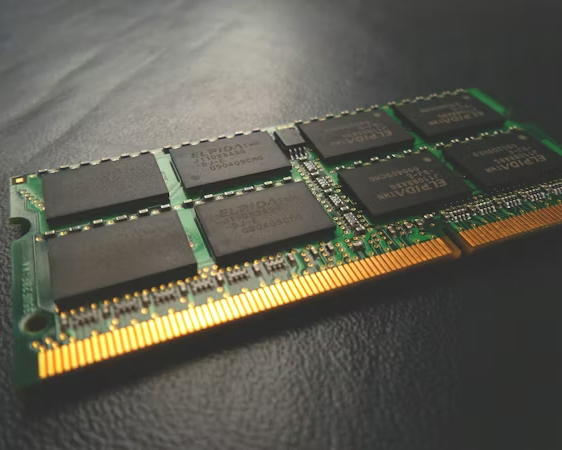
Managing enterprise hardware involves more than deploying and maintaining devices. Every stage of the IT asset lifecycle requires accurate identification to ensure equipment can be tracked, audited, redeployed, resold, or recycled without confusion. One of the most important but often overlooked processes is asset tag removal. Leaving outdated labels on hardware can create duplicate inventory records, reduce equipment value, and complicate lifecycle management.
Professional IT asset tag removal helps organizations eliminate outdated identifiers while preparing equipment for its next stage in the lifecycle. By following standardized procedures, businesses can improve inventory accuracy, protect hardware condition, and streamline IT asset management.
Why Is IT Asset Tag Removal an Essential Part of the IT Asset Lifecycle?
Every IT asset moves through multiple operational stages, from procurement and deployment to maintenance, redeployment, resale, recycling, or disposal. Maintaining accurate identification throughout these stages is essential for effective asset management.
Maintaining Accurate Asset Identification
Enterprise devices often accumulate multiple asset labels after years of use. These labels may represent different inventory systems, departments, or ownership changes. Removing outdated asset tags before assigning new identifiers prevents conflicting records and ensures every device has one accurate reference within the inventory database. Consistent identification improves hardware tracking and simplifies future audits.
Supporting Secure Redeployment, Resale, and Recycling
Before equipment is redeployed internally or transferred outside the organization, old asset labels should be removed to prevent confusion and protect company information. A clean device with standardized identification supports smoother processing during resale, refurbishment, recycling, or secure disposal while maintaining inventory accuracy.
What Are the Most Common IT Asset Tag Removal Challenges?
Removing asset labels from enterprise hardware may appear simple, but several challenges can affect inventory quality and equipment condition if the process is not handled correctly.
Damaged, Missing, or Multiple Asset Labels
Older devices frequently contain faded, damaged, or partially removed labels that make identification difficult. In other cases, equipment may carry multiple asset tags from previous refresh projects or department transfers. These situations create uncertainty when updating inventory records and increase the likelihood of duplicate asset entries. Establishing standardized asset verification procedures before removing labels helps resolve these challenges.
Adhesive Residue That Affects Device Condition
Many enterprise asset labels use strong adhesives designed to remain attached for years. Improper removal often leaves residue on equipment surfaces, reducing the professional appearance of devices prepared for redeployment or resale. Specialized removal techniques help eliminate adhesive residue while protecting the physical condition of enterprise hardware.
How Can Poor Asset Tag Removal Affect IT Operations?
Improper asset tag removal can create long term operational problems that extend beyond inventory management.
Inventory Errors and Asset Tracking Issues
When outdated labels remain attached to equipment, technicians may record incorrect asset numbers or create duplicate inventory entries. Inaccurate records make it more difficult to track hardware locations, maintenance schedules, ownership, and lifecycle status. These issues reduce confidence in enterprise asset management systems and increase administrative workloads.
Delays in Hardware Processing and Compliance Activities
Incorrect asset identification slows hardware processing because devices require additional verification before redeployment, resale, or disposal. Organizations may also experience delays during inventory audits and compliance reporting when physical equipment does not match inventory records. Companies such as E-XPIRE provide structured asset processing services that help organizations maintain accurate documentation while supporting efficient hardware lifecycle management.
What Is the Best Way to Remove Asset Tags Without Damaging Equipment?
Removing asset labels safely requires proper techniques that protect hardware while completely eliminating outdated identifiers.
Safe Label Removal Techniques for Enterprise Hardware
Professional technicians use approved methods to loosen adhesives and remove labels without scratching or damaging equipment surfaces. Careful removal protects manufacturer labels and preserves the cosmetic condition of devices intended for redeployment or remarketing. Standardized procedures also improve consistency when processing large volumes of enterprise hardware.
Effective Label Residue Removal Methods
After labels are removed, any remaining adhesive should be cleaned using techniques appropriate for enterprise equipment. Eliminating residue creates a clean surface for applying updated asset identification while improving the appearance of devices. Proper cleaning also prevents contaminants from affecting future labels or inventory tracking.
How Does Proper Asset Identification Improve IT Asset Management?
Consistent identification supports every aspect of enterprise asset management by improving visibility and reducing administrative errors.
Eliminating Duplicate and Inaccurate Asset Records
Removing obsolete asset tags before applying new identifiers eliminates duplicate inventory entries and conflicting records. Accurate databases allow IT teams to locate equipment quickly, verify ownership, monitor maintenance activities, and generate reliable inventory reports for planning and compliance purposes.
Improving Visibility Throughout the IT Asset Lifecycle
Organizations need complete visibility into hardware throughout deployment, maintenance, relocation, redeployment, resale, recycling, and disposal. Businesses searching for IT asset tag removal New York often require experienced providers that support accurate hardware tracking and documentation throughout every stage of the IT asset lifecycle.
What Best Practices Should Businesses Follow for IT Asset Tag Removal?
Developing standardized procedures helps organizations improve consistency while reducing inventory discrepancies.
Standardizing Asset Processing Procedures
Every asset should follow the same documented workflow, including inventory verification, label removal, equipment inspection, documentation, and updated asset identification. Standardized procedures reduce processing errors while improving efficiency across enterprise IT environments.
Verifying Asset Information Before Redeployment or Disposal
Before devices are reassigned, remarketed, recycled, or disposed of, organizations should verify serial numbers, inventory records, equipment condition, and asset ownership. Confirming this information before final processing reduces inventory discrepancies and supports accurate lifecycle documentation.
How Can Organizations Improve Hardware Processing Efficiency?
Efficient hardware processing depends on integrating asset tag removal into broader IT asset management activities.
Integrating Asset Tag Removal Into ITAD Workflows
Asset tag removal should be included within established IT Asset Disposition workflows rather than treated as an independent task. Integrating label removal with inventory verification, data destruction, equipment inspection, and documentation creates a more organized and efficient asset processing strategy.
Maintaining Documentation and Chain of Custody
Maintaining complete records throughout hardware processing supports accountability, compliance, and audit readiness. Chain of custody documentation records every movement of enterprise equipment from collection through final disposition, providing organizations with complete lifecycle visibility.
What Should You Look for in an IT Asset Tag Removal Partner?
Choosing an experienced provider improves project efficiency while protecting inventory accuracy and hardware quality.
Experience With Enterprise Hardware Processing
Organizations should work with providers that understand enterprise asset management, large scale refresh projects, and standardized IT asset processing procedures. Experience handling diverse hardware types helps reduce operational risks while improving project consistency.
Secure Processes, Scalability, and Detailed Reporting
Reliable providers should offer secure processing environments, documented workflows, scalable service capabilities, and detailed reporting. These features support inventory accuracy, regulatory compliance, and efficient project management across organizations of every size.
Why Choose E-XPIRE for IT Asset Tag Removal?
Enterprise organizations require trusted partners capable of managing hardware processing efficiently while maintaining inventory integrity.
Professional Label Residue Removal and Hardware Processing
E-XPIRE provides professional asset tag removal, label residue cleaning, inventory verification, and hardware processing services that prepare equipment for redeployment, resale, recycling, or secure disposal while maintaining accurate asset records.
End-to-End Support Across the IT Asset Lifecycle
From inventory verification and asset tag removal to documentation, hardware tracking, and lifecycle management, E-XPIRE delivers comprehensive services that help organizations improve operational efficiency while maintaining complete visibility across enterprise assets.
Conclusion
IT asset tag removal plays an important role in maintaining inventory accuracy, protecting hardware condition, and supporting efficient lifecycle management. By removing outdated labels, verifying asset information, and following standardized processing procedures, organizations can reduce inventory errors, improve compliance, and streamline hardware processing throughout every stage of the IT asset lifecycle. Partnering with an experienced provider ensures enterprise equipment is processed securely, accurately, and efficiently.
Contact E-XPIRE Today to simplify your IT asset management process.
FAQs
1. Why is IT asset tag removal important?
IT asset tag removal eliminates outdated labels, improves inventory accuracy, protects company information, and supports efficient hardware redeployment, resale, and recycling.
2. Can removing asset tags damage enterprise hardware?
Professional asset tag removal uses safe techniques that remove labels and adhesive residue without damaging equipment surfaces or affecting functionality.
3. How does proper asset identification improve inventory management?
Proper identification reduces duplicate records, improves hardware tracking, supports compliance, and provides better visibility throughout the IT asset lifecycle.
4. What should businesses include in an asset tag removal process?
A complete process should include inventory verification, safe label removal, residue cleaning, documentation, updated asset identification, and chain of custody records.
5. Why should organizations choose a professional asset tag removal provider?
Experienced providers deliver standardized workflows, secure processing, detailed reporting, scalable services, and accurate asset management that improve operational efficiency and inventory reliability.