



Hard Drive Shredding vs Degaussing: Which Method Best Protects Sensitive Business Data?
Protecting sensitive business information extends beyond securing active IT systems. When storage devices reach the end of their useful life, organizations must ensure that confidential data cannot be recovered before equipment is recycled or disposed of. Choosing the right destruction method is essential for reducing security risks, supporting compliance, and protecting valuable business information. Professional hard drive shredding permanently destroys storage media, while degaussing removes data from compatible magnetic devices by eliminating the magnetic field used to store information. Understanding how each method works helps organizations select the most appropriate solution for their IT asset retirement strategy.
Why Is Secure Hard Drive Destruction Important for Businesses?
Retired storage devices often contain customer records, financial information, intellectual property, employee files, operational documents, and other confidential data. Without proper destruction, organizations may unintentionally expose sensitive information long after hardware has been removed from service.
Protecting Confidential Business and Customer Data
Deleting files or formatting storage devices does not permanently eliminate stored information. Professional destruction methods ensure confidential data cannot be recovered, helping organizations protect customer privacy, business operations, and proprietary information throughout the IT asset lifecycle.
Reducing Security and Compliance Risks During IT Asset Retirement
Secure destruction also supports internal governance by ensuring retired equipment is processed using documented procedures. A structured destruction process reduces operational risk while demonstrating responsible handling of sensitive information during IT asset retirement.
What Is Hard Drive Shredding?
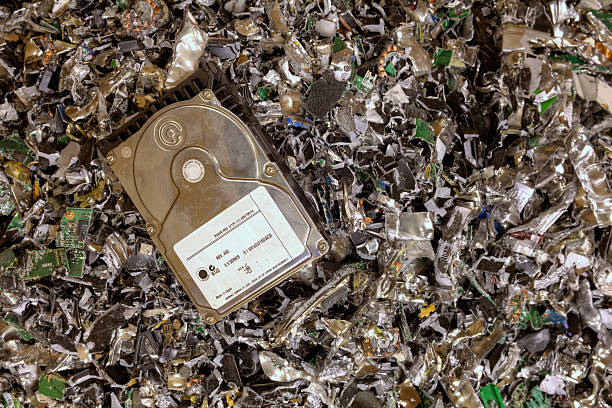
Hard drive shredding is a physical destruction process that permanently destroys storage devices by reducing them into small fragments. Once shredded, the drive cannot be reused, and stored information becomes unrecoverable.
How Physical Data Destruction Works
Industrial shredding equipment processes hard drives through powerful cutting mechanisms that physically destroy the storage media. Since the drive itself no longer exists in a usable form, the possibility of recovering stored information is effectively eliminated. Organizations that require maximum security often choose shredding for devices containing confidential business information.
When Hard Drive Shredding Is the Preferred Solution
Hard drive shredding is commonly selected when devices have reached the end of their operational life, contain highly sensitive information, or are scheduled for disposal rather than reuse. Providers such as E-XPIRE integrate shredding into complete IT asset disposition services, giving businesses a secure and well documented retirement process.
What Is Degaussing?
Degaussing is a data destruction method that removes information from magnetic storage media by exposing it to a powerful magnetic field. This process disrupts the magnetic patterns that store digital information, making the data inaccessible.
How Magnetic Media Sanitization Removes Data
The magnetic field generated during degaussing erases the stored magnetic signals on compatible media. Once completed, the information can no longer be recovered using conventional methods. Unlike shredding, however, degaussing only applies to magnetic storage technologies.
Which Storage Devices Can Be Degaussed
Degaussing is effective for traditional magnetic hard disk drives, backup tapes, and other magnetic storage media. It is not suitable for solid state drives because SSDs do not rely on magnetic storage technology.
| Comparison Factor | Hard Drive Shredding | Degaussing |
|---|---|---|
| Destruction Method | Physical destruction | Magnetic field sanitization |
| Device Reusable | No | Generally No |
| Compatible Media | HDDs, SSDs, storage devices | Magnetic HDDs and tapes |
| Best For | End of life assets | Magnetic media sanitization |
How Do Hard Drive Shredding and Degaussing Compare?
Although both methods protect sensitive information, they serve different operational requirements.
Data Destruction Effectiveness
Hard drive shredding permanently destroys the physical storage device, making data recovery virtually impossible. Degaussing effectively removes data from compatible magnetic media but does not physically destroy the device. Organizations often select the method that best aligns with their security objectives and storage technologies.
Asset Reuse and Recovery Considerations
Neither approach is intended for hardware that will be redeployed into production without additional evaluation. Shredding permanently destroys the drive, while degaussing typically renders magnetic drives unusable because important operating information is also removed.
Operational Efficiency for Enterprise IT Environments
Large organizations frequently process substantial numbers of retired storage devices during infrastructure upgrades. Selecting the appropriate destruction method improves operational efficiency while maintaining consistent security standards. Businesses seeking specialized solutions for sensitive public sector environments can also explore government hard drive shredding services designed for secure enterprise data protection.
Key Differences at a Glance
- Shredding physically destroys storage devices.
- Degaussing removes magnetic data without shredding the device.
- SSDs require shredding or other approved destruction methods.
- Both methods support secure IT asset retirement when properly applied.
When Should Businesses Choose Hard Drive Shredding?
Hard drive shredding is often the preferred option when organizations require complete physical destruction of storage devices.
Retiring End of Life Storage Devices
When drives have reached the end of their service life, physical destruction provides confidence that sensitive information cannot be recovered after disposal.
Managing Highly Sensitive or Classified Data
Organizations handling confidential business records, proprietary information, or regulated data often prefer shredding because the storage media itself is permanently destroyed.
Supporting Large Scale IT Asset Disposal Projects
Enterprise hardware refreshes frequently involve hundreds or thousands of retired drives. Standardized shredding procedures simplify project management while maintaining consistent security controls.
When Is Degaussing the Better Choice?
Degaussing remains an effective solution for organizations using magnetic storage technologies.
Sanitizing Magnetic Storage Media
Businesses retiring magnetic hard drives or backup tapes may choose degaussing to eliminate stored information before additional disposal processing takes place.
Integrating Degaussing Into Enterprise Data Disposal Workflows
Some enterprise environments incorporate degaussing into broader IT asset disposition programs where magnetic media requires secure sanitization before final processing.
What Factors Should IT Teams Consider Before Choosing a Data Destruction Method?
Choosing the correct destruction method depends on several operational and technical considerations.
Storage Media Type and Compatibility
The first consideration is identifying whether the storage device uses magnetic or solid state technology. Compatibility determines whether degaussing is appropriate or if physical destruction is required.
Security, Compliance, and Business Requirements
Organizations should evaluate internal security policies, contractual obligations, and governance requirements before selecting a destruction method. Higher security environments often require permanent physical destruction.
Scalability for Data Centers and Enterprise Environments
Enterprise organizations benefit from providers capable of securely processing large device volumes while maintaining consistent documentation and operational controls.
What Should You Look for in a Secure Data Disposal Provider?
Selecting an experienced provider strengthens both operational efficiency and information security.
Verified Hard Drive Destruction Processes
Providers should follow standardized destruction procedures supported by documented operational controls.
Secure Chain of Custody and Asset Tracking
Every storage device should remain tracked from collection through final destruction to reduce unnecessary handling risks.
Documentation Supporting Compliance and Audit Requirements
Organizations should receive complete documentation confirming the destruction method, processed assets, and completed services.
Important Provider Qualities
- Enterprise IT asset experience
- Verified destruction methods
- Secure chain of custody
- Asset tracking and reporting
- Compliance focused documentation
Why Choose E-XPIRE for Hard Drive Shredding Services?
Organizations require secure destruction services supported by reliable operational processes and complete documentation.
Enterprise Grade Hard Drive Destruction and Secure Data Disposal
E-XPIRE delivers enterprise focused hard drive shredding services integrated with secure data destruction, asset tracking, and documented operational workflows designed to protect confidential business information.
End to End IT Asset Disposition With Verified Data Protection
From secure collection through verified destruction and final reporting, E-XPIRE provides comprehensive IT asset disposition services that reduce business risk while maintaining accountability throughout the asset lifecycle.
Conclusion
Selecting between hard drive shredding and degaussing depends on the storage media involved, business security requirements, and long term IT asset management objectives. Hard drive shredding offers permanent physical destruction for end of life storage devices, while degaussing provides effective sanitization for compatible magnetic media. Working with an experienced provider ensures organizations receive secure handling, verified destruction procedures, comprehensive documentation, and dependable support throughout every IT asset retirement project.
Protect Data Today by contacting E-XPIRE to discuss secure hard drive destruction and enterprise IT asset disposal services.
FAQs
1. What is the difference between hard drive shredding and degaussing?
Hard drive shredding physically destroys the storage device, while degaussing removes data from compatible magnetic media using a powerful magnetic field.
2. Is degaussing effective for SSDs?
No. Degaussing only works on magnetic storage devices. Solid state drives require other approved destruction methods such as physical destruction.
3. When should businesses choose hard drive shredding?
Hard drive shredding is ideal for end of life drives, highly sensitive data, and situations where permanent physical destruction is required.
4. Why is secure hard drive destruction important?
It prevents unauthorized access to confidential business information, supports compliance efforts, and reduces risks during IT asset retirement.
5. What should organizations look for in a hard drive destruction provider?
Businesses should choose providers with verified destruction procedures, secure chain of custody, comprehensive documentation, asset tracking, and enterprise IT asset management experience.
