




A Business Guide to Managing Commercial E-Waste Through Certified Recycling
Businesses continuously upgrade computers, servers, networking devices, and other technology equipment to maintain efficient operations. However, replacing outdated IT assets creates a responsibility to manage electronic waste properly. Without a structured approach, retired equipment can create security risks, compliance challenges, and environmental concerns.
Implementing professional commercial e waste disposal practices helps businesses securely manage outdated technology while supporting responsible recycling efforts. Certified recycling processes allow organizations to protect sensitive information, recover valuable materials, and ensure electronic equipment is handled according to proper standards.
Why Commercial E-Waste Disposal Matters for Businesses
Commercial e-waste management has become an important part of modern business operations. As organizations rely on more technology, the amount of outdated equipment requiring responsible handling continues to increase.
The Growing Challenge of Managing Outdated IT Equipment
Businesses regularly replace technology assets due to hardware upgrades, changing operational requirements, and improvements in performance. This creates a continuous need for effective IT asset management and disposal strategies.
Outdated equipment may include:
- Desktop computers
- Laptops
- Servers
- Storage devices
- Networking hardware
- Printers and office electronics
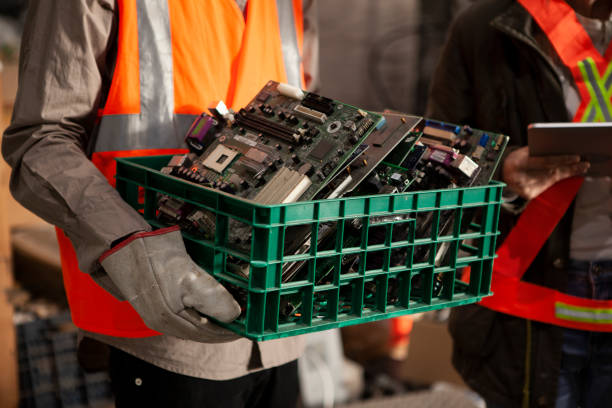
Managing these assets requires more than simply removing unwanted equipment. Businesses must consider data security, asset tracking, environmental responsibility, and compliance requirements before disposal.
A structured recycling strategy helps organizations maintain control over their technology assets throughout the entire lifecycle, from active use to final processing.
Risks of Improper Electronic Waste Disposal for Organizations
Improper disposal of business electronics can create several risks. Many devices contain storage components that may still hold confidential information even after they are no longer used.
Common risks include:
- Exposure of sensitive business data
- Loss of asset tracking visibility
- Compliance issues related to information security
- Environmental concerns from improper disposal
- Reduced opportunities for asset recovery
Simply discarding electronics or relying on basic file deletion methods does not provide sufficient protection. Businesses need certified recycling processes that include secure data handling and responsible equipment processing.
How Responsible Electronics Recycling Supports Business Sustainability
Responsible electronics recycling allows organizations to reduce waste while supporting sustainable business practices. Instead of sending outdated equipment directly to disposal streams, businesses can evaluate assets for reuse, recovery, or recycling.
A sustainable recycling approach helps organizations:
| Sustainability Benefit | Business Value |
|---|---|
| Resource recovery | Supports reuse of valuable materials |
| Reduced electronic waste | Minimizes unnecessary disposal |
| Responsible processing | Improves environmental practices |
| Asset recovery | Helps maximize equipment value |
By integrating recycling into business operations, organizations can improve sustainability efforts while maintaining better control over retired technology.
Understanding the Commercial E-Waste Recycling Process
A certified recycling process involves multiple stages designed to protect business information, recover materials, and ensure responsible handling of electronic equipment.
Collection and Sorting of Business Electronics
The first step in commercial e-waste recycling is collecting and organizing retired equipment. Recycling providers work with businesses to gather electronics and verify the equipment being processed.
During collection, providers may review:
- Equipment quantity
- Device categories
- Asset information
- Equipment condition
- Processing requirements
After collection, electronics are sorted based on their condition and potential value. Some equipment may be suitable for reuse, while other assets may require recycling or material recovery.
Secure Data Handling and Equipment Evaluation
Data security is one of the most important parts of commercial e-waste recycling. Business electronics often contain sensitive information stored on hard drives, solid-state drives, and other storage devices.
Before equipment moves forward, secure data handling procedures are performed to prevent unauthorized access. This may involve data sanitization, storage media processing, and verification procedures.
During evaluation, equipment is categorized based on whether it can be:
- Reused
- Refurbished
- Recovered for components
- Recycled responsibly
E-XPIRE supports businesses with secure electronics recycling solutions designed to help manage retired IT equipment while maintaining responsible data protection and processing practices.
Responsible Recycling, Recovery, and Disposal Methods
After evaluation, equipment moves through the appropriate recycling process. Devices that cannot be reused are carefully processed to recover materials and reduce unnecessary waste.
Responsible recycling methods focus on:
- Separating reusable materials
- Recovering valuable components
- Reducing landfill waste
- Following proper disposal standards
A certified recycling provider ensures that electronic equipment is handled safely while supporting environmental responsibility.
How Businesses Can Choose the Right Recycling Partner
Selecting the right recycling partner is essential for organizations managing commercial electronic waste. A qualified provider should offer secure processes, transparent documentation, and responsible recycling practices.
Evaluating Certifications, Security Practices, and Compliance Standards
Businesses should review a recycling provider’s security procedures and compliance approach before selecting a partner.
Important factors include:
- Data destruction methods
- Equipment tracking systems
- Processing documentation
- Security procedures
- Environmental practices
A certified provider should be able to explain how equipment is collected, processed, and documented throughout the recycling lifecycle.
Importance of Secure Electronics Recycling and Asset Tracking
Asset tracking provides businesses with visibility into their retired equipment. It helps organizations confirm that devices are handled properly from collection through final processing.
Secure tracking supports:
| Process | Benefit |
|---|---|
| Equipment identification | Maintains accurate records |
| Processing documentation | Supports compliance |
| Data destruction verification | Protects sensitive information |
| Recycling reports | Provides transparency |
Businesses that prioritize secure electronics recycling can reduce risks while maintaining better control over their technology assets.
Selecting a Provider for IT Equipment Recycling Needs
The right recycling provider should understand the unique requirements of business IT equipment. Organizations should look for partners that provide secure handling, responsible recycling methods, and clear reporting.
A reliable provider helps businesses manage outdated technology while protecting information and supporting sustainability goals.
Best Practices for Managing Commercial E-Waste
Businesses can improve their recycling efforts by developing clear internal processes for managing outdated electronics.
Creating an Internal E-Waste Management Strategy
An internal e-waste strategy helps organizations establish consistent procedures for equipment retirement.
A successful strategy may include:
- Regular asset reviews
- Equipment tracking procedures
- Approved recycling partners
- Data security guidelines
- Disposal documentation processes
Planning ahead allows businesses to manage technology transitions more efficiently.
Maintaining Documentation for Compliance and Reporting
Proper documentation helps businesses demonstrate responsible equipment management. Records provide visibility into how assets were processed and support internal reporting requirements.
Important documentation may include:
- Asset inventories
- Data destruction records
- Recycling certificates
- Processing reports
Organizations looking for reliable e waste management solutions should choose providers that offer transparent documentation and secure recycling procedures.
Reducing Waste Through Reuse and Responsible Asset Recovery
Not all outdated equipment needs immediate recycling. Some devices may still have value through reuse, refurbishment, or recovery.
Responsible asset recovery helps businesses:
- Extend equipment lifecycle
- Reduce unnecessary waste
- Improve resource efficiency
- Support sustainable technology management
How E-XPIRE Helps Businesses With Certified Commercial E-Waste Disposal
Managing commercial electronic waste requires a recycling partner that understands security, compliance, and sustainability. E-XPIRE provides businesses with solutions designed to support secure equipment handling and responsible recycling.
Secure and Compliant Electronics Recycling Solutions
E-XPIRE helps organizations manage retired technology through structured recycling processes that focus on secure data handling, equipment processing, and responsible disposal.
Supporting Businesses With Responsible IT Asset Management
A reliable recycling partner helps businesses maintain better control over their IT assets throughout the disposal process. From collection and evaluation to recycling and documentation, responsible asset management reduces risks and improves efficiency.
Final Thoughts
Managing commercial e-waste through certified recycling helps businesses protect sensitive information, maintain compliance, and support environmental responsibility. A structured approach ensures that outdated IT equipment is handled securely while maximizing opportunities for reuse and recovery.
By choosing a trusted recycling provider, businesses can create a more responsible technology lifecycle and reduce the risks associated with improper electronic waste disposal.
Organizations looking for secure and compliant solutions can contact E-XPIRE for certified commercial e waste disposal services to manage their retired IT equipment responsibly.
FAQs
1. Why is commercial e-waste disposal important for businesses?
Commercial e-waste disposal helps businesses protect sensitive data, manage outdated equipment responsibly, and reduce environmental impact.
2. What happens during the commercial e-waste recycling process?
The process typically includes equipment collection, sorting, secure data handling, evaluation, material recovery, and responsible recycling.
3. How can businesses protect data during electronics recycling?
Businesses should work with recycling providers that offer secure data destruction, equipment tracking, and documented processing procedures.
4. Can old business electronics be reused instead of recycled?
Yes. Some equipment can be refurbished, reused, or recovered before being processed for recycling.
5. What should businesses look for in a commercial e-waste recycling partner?
Businesses should choose providers that offer secure processing, compliance support, transparent documentation, and environmentally responsible recycling methods.

How to Compare E Waste Recycling Companies Before Outsourcing Business IT Disposal
Businesses regularly replace computers, servers, networking equipment, storage devices, and office electronics as technology evolves. While upgrading IT infrastructure improves efficiency, disposing of retired equipment requires careful planning. Selecting the right e waste recycling companies is essential for protecting sensitive information, reducing operational risks, and supporting environmental responsibility. A qualified provider should offer secure data handling, certified recycling processes, transparent reporting, and complete asset accountability. Comparing providers based on security, experience, and compliance practices allows organizations to make informed decisions that support both immediate disposal needs and long term IT asset management goals.
Why Is Choosing the Right E Waste Recycling Company Important?
Outsourcing business IT disposal involves more than removing obsolete equipment. Every retired device may contain confidential business information that must remain protected until secure processing has been completed.
Protecting Sensitive Business Information
Business computers, servers, storage devices, and networking equipment often store customer information, employee records, financial data, operational documents, and intellectual property. Working with a qualified recycling provider ensures sensitive information is securely removed before equipment enters the recycling process, reducing the possibility of unauthorized access.
Reducing Compliance and Operational Risks
Organizations also benefit from standardized recycling procedures that support accountability throughout the disposal process. Proper documentation, asset tracking, and secure handling practices help reduce operational uncertainty while strengthening governance and internal compliance efforts.
What Services Should E Waste Recycling Companies Provide?
A professional electronics recycling provider should deliver comprehensive services that address security, logistics, reporting, and environmentally responsible processing.
Secure Business E Waste Disposal
Secure disposal begins with organized asset collection, inventory verification, and data protection measures before any recycling activities occur. These processes ensure equipment remains accounted for throughout the project.
Certified Electronics Recycling Services
Certified recycling providers process retired equipment using documented procedures that prioritize responsible material recovery while minimizing environmental impact.
IT Asset Collection, Tracking, and Reporting
Organizations should expect secure transportation, continuous asset tracking, and comprehensive reporting that confirms every device completed the appropriate disposal process. Providers such as E-XPIRE integrate these services into complete IT asset disposition solutions for enterprise organizations.
| Service | Business Benefit |
|---|---|
| Secure asset collection | Protects equipment during transportation |
| Data destruction | Prevents unauthorized access to information |
| Certified recycling | Supports environmental responsibility |
| Asset reporting | Improves accountability and audit readiness |
| Chain of custody | Tracks every device throughout disposal |
What Should Businesses Look for When Comparing Electronic Waste Recycling Companies?
Comparing providers requires evaluating much more than pricing. Businesses should focus on operational capabilities, security controls, and enterprise experience.
Experience With Enterprise IT Asset Disposal
Organizations handling large technology environments benefit from providers experienced in enterprise IT asset retirement. Experienced providers understand the complexity of managing high volumes of equipment while maintaining consistent security standards.
Secure Processes and Chain of Custody
Every asset should remain documented from collection through final recycling. Maintaining a secure chain of custody reduces the possibility of misplaced equipment while improving operational transparency.
Environmental Responsibility and Sustainability Practices
Businesses should also evaluate whether providers follow responsible recycling practices that recover valuable materials and reduce electronic waste through environmentally conscious processing methods.
Why Is Certified Electronics Recycling Important?
Certified recycling provides confidence that retired technology is processed according to established industry standards.
Supporting Secure and Responsible Equipment Disposal
Certification demonstrates that providers follow documented operational procedures designed to protect sensitive information while processing retired equipment responsibly.
Meeting Business Compliance Requirements
Organizations often require documented evidence that retired IT assets have been securely managed. Certified recycling providers supply reports that support governance, compliance activities, and internal audits.
Building Confidence Through Verified Recycling Processes
Verified procedures improve consistency across every recycling project while helping organizations reduce uncertainty during technology refresh initiatives.
Benefits of Certified Recycling
- Protects confidential business information.
- Supports responsible environmental practices.
- Improves compliance documentation.
- Strengthens asset accountability.
- Reduces operational risks.
How Can Businesses Evaluate an E Waste Recycling Service Provider?
Evaluating providers requires reviewing technical capabilities together with operational processes.
Reviewing Service Capabilities and Industry Experience
Organizations should assess whether providers can process the types and volumes of equipment involved in current and future IT disposal projects.
Assessing Collection, Transportation, and Processing Procedures
Secure collection and transportation procedures reduce the likelihood of asset loss before equipment reaches the recycling facility. Businesses seeking regional enterprise services can also review professional electronics recycling solutions that combine secure asset handling with responsible environmental processing.
Understanding Documentation and Reporting Standards
Detailed inventory reports, destruction documentation, and recycling records help organizations demonstrate responsible equipment disposal while simplifying future audit activities.
What Questions Should You Ask Before Outsourcing Business IT Disposal?
Asking the right questions helps businesses compare providers more effectively.
How Is Sensitive Data Protected Before Recycling?
Organizations should understand the provider's data destruction procedures and how confidential information is protected before recycling begins.
What Types of Equipment Can Be Processed?
Businesses should confirm that providers can securely process computers, laptops, servers, networking equipment, storage devices, office electronics, and specialized enterprise hardware.
What Documentation Is Provided After Service Completion?
Service providers should deliver complete reporting that includes inventory records, destruction documentation, chain of custody information, and recycling verification.
Important Questions to Ask
- How are retired assets tracked?
- Which data destruction methods are used?
- What documentation will be provided?
- How is equipment transported securely?
- What enterprise experience does the provider have?
What Common Mistakes Should Businesses Avoid When Selecting an E Waste Recycling Partner?
Several common mistakes can increase disposal related risks.
Choosing a Provider Based Only on Price
Selecting the lowest cost provider without evaluating security, reporting, and operational capabilities may increase long term business risk.
Overlooking Security and Compliance Processes
Businesses should carefully review chain of custody procedures, asset tracking, and destruction documentation before selecting a provider.
Failing to Verify Enterprise Experience
Organizations managing large IT environments should choose providers with demonstrated enterprise experience rather than general recycling services lacking specialized capabilities.
How Can the Right Recycling Partner Support Long Term Business Goals?
A reliable recycling partner contributes to more than individual disposal projects.
Improving IT Asset Lifecycle Management
Consistent recycling procedures strengthen overall IT asset management while simplifying future technology refresh initiatives.
Supporting Sustainability and Corporate Responsibility
Responsible electronics recycling supports corporate environmental objectives by reducing electronic waste and recovering reusable materials.
Reducing Risk During Future Technology Refresh Projects
Establishing a relationship with an experienced recycling provider creates repeatable processes that improve efficiency, security, and accountability during future equipment replacement programs.
Why Choose E-XPIRE for Business E Waste Disposal?
Organizations require secure, transparent, and scalable solutions that protect both business information and environmental interests.
Certified Electronics Recycling for Enterprise Organizations
E-XPIRE provides certified electronics recycling supported by secure data handling, asset tracking, documented operational controls, and environmentally responsible processing for enterprise IT environments.
Secure IT Asset Disposal With Transparent Processes and Compliance Focused Support
From secure collection through reporting and certified recycling, E-XPIRE delivers complete IT asset disposition services designed to reduce business risk while supporting compliance and sustainability objectives.
Conclusion
Comparing e waste recycling companies involves evaluating much more than pricing. Businesses should assess enterprise experience, secure data handling, chain of custody procedures, certified recycling capabilities, reporting standards, and environmental responsibility before outsourcing IT disposal. Choosing the right provider helps organizations protect confidential information, strengthen compliance efforts, improve operational accountability, and support long term sustainability goals through responsible electronics recycling.
Get Started Today by contacting E-XPIRE to discuss secure business IT disposal and certified electronics recycling solutions.
FAQs
1. Why is it important to compare e waste recycling companies?
Comparing providers helps businesses select a partner with secure processes, enterprise experience, certified recycling services, and reliable compliance documentation.
2. What services should an e waste recycling company provide?
A qualified provider should offer secure asset collection, data destruction, certified electronics recycling, chain of custody tracking, and comprehensive reporting.
3. What should businesses ask before outsourcing IT disposal?
Organizations should ask about data protection methods, equipment types accepted, chain of custody procedures, transportation security, and available documentation.
4. Why is certified electronics recycling important?
Certified recycling demonstrates that retired equipment is processed using documented procedures that support security, environmental responsibility, and compliance requirements.
5. What qualities should businesses look for in an IT recycling partner?
Businesses should evaluate enterprise experience, secure operational processes, transparent reporting, compliance focused documentation, and comprehensive IT asset disposition capabilities.
How to Choose a Reliable E-Waste Recycling Service in Chicago
As businesses continue to replace computers, servers, networking equipment, and other electronic devices, choosing the right recycling partner becomes an important part of responsible IT asset management. An experienced e-waste recycling provider helps businesses protect sensitive information, maintain compliance, recover valuable materials, and reduce environmental impact. Selecting the wrong provider can create unnecessary security and operational risks. Businesses searching for dependable e waste recycling Chicago services should evaluate providers based on security practices, certifications, experience, and transparency rather than cost alone. A reliable recycling partner supports secure technology retirement while helping organizations meet their environmental and business objectives.
Why Is Choosing the Right E-Waste Recycling Service in Chicago Important?
Retiring outdated technology involves much more than removing unwanted equipment from the workplace. Every device may contain confidential information that requires secure handling before recycling or disposal. Working with a professional recycling provider ensures electronic assets are processed through documented procedures that protect both business data and the environment.
Protecting Sensitive Business Information
Business computers, servers, storage devices, and mobile equipment often contain customer records, employee information, financial documents, and proprietary business data. Simply deleting files or formatting storage media does not permanently remove this information. Professional e-waste recycling providers perform certified data destruction before processing equipment, helping organizations reduce unnecessary security risks during technology retirement.
Supporting Compliance and Environmental Responsibility
Many businesses must comply with internal security policies and industry requirements related to data protection and electronic asset disposal. Professional recycling providers follow documented procedures that help businesses maintain compliance while ensuring electronic materials are processed responsibly instead of entering landfills.
What Does a Professional E-Waste Recycling Service Include?
A comprehensive e-waste recycling service covers every stage of the technology retirement process, from secure collection through responsible material recovery.
Collection and Inventory Management
The recycling process begins with secure collection of electronic equipment and detailed inventory verification. Each asset is identified, documented, and tracked before leaving the business location. Accurate inventory records provide visibility throughout the recycling process and support stronger IT asset management practices.
Secure Data Destruction and Asset Processing
Before equipment enters recycling, all storage devices should undergo certified data destruction. Depending on business requirements, providers may use secure data wiping, degaussing, or physical destruction to permanently eliminate stored information. After data destruction, devices are evaluated for refurbishment, reuse, or responsible recycling.
Businesses often rely on E-XPIRE because the company combines secure asset handling, certified data destruction, detailed reporting, and environmentally responsible recycling solutions designed for enterprise organizations.
Responsible Recycling and Material Recovery
Electronic equipment that cannot be reused is carefully dismantled to recover valuable materials such as metals, plastics, glass, and electronic components. Responsible recycling helps reduce landfill waste while supporting sustainable manufacturing through material recovery.
What Should Businesses Look for in an E-Waste Recycling Provider?
Choosing the right provider requires evaluating more than basic recycling capabilities. Security, compliance, and operational experience should all be considered.
Industry Certifications and Compliance Standards
Businesses should work with providers that maintain recognized industry certifications and documented recycling procedures. These certifications demonstrate a commitment to responsible recycling, secure asset handling, and compliance with established industry standards.
Secure Chain of Custody and Asset Tracking
A documented chain of custody ensures every asset is tracked from collection through final processing. Secure tracking systems improve accountability while reducing the possibility of misplaced or unaccounted equipment during transportation and recycling.
Experience Handling Enterprise IT Equipment
Enterprise organizations often manage large volumes of technology assets across multiple departments or locations. Providers with enterprise experience can efficiently manage complex projects while maintaining consistent security and reporting standards throughout the recycling process.
How Can You Verify an Electronics Recycling Company in Chicago?
Before selecting a provider, businesses should perform a thorough evaluation of the company's capabilities and operational practices.
Reviewing Certifications, Experience, and Customer Reputation
Reviewing industry certifications, years of experience, and customer feedback provides valuable insight into a provider's ability to manage secure electronics recycling projects. A strong reputation often reflects consistent service quality and reliable operational procedures.
Evaluating Security Processes and Documentation
Businesses should verify that providers maintain documented data destruction procedures, secure transportation methods, chain of custody tracking, and comprehensive reporting. These processes help ensure electronic assets remain protected throughout every stage of technology retirement.
Why Is Secure Data Destruction Essential Before Electronic Disposal?
Data destruction remains one of the most important components of responsible electronic asset management.
Preventing Data Breaches and Information Exposure
Retired computers, servers, and storage devices may still contain confidential information even after files have been deleted. Certified data destruction permanently removes stored information, reducing the possibility of unauthorized data recovery or information exposure.
Ensuring Devices Are Properly Sanitized Before Recycling
Electronic equipment should always undergo secure sanitization before entering the recycling process. Businesses evaluating e waste recycling companies should prioritize providers that combine certified data destruction with responsible recycling and comprehensive asset tracking.
How Do Electronics Recycling and Computer Disposal Services Work Together?
Electronics recycling and computer disposal complement one another within an effective IT asset lifecycle strategy.
Choosing the Right Solution for Different IT Assets
Some devices remain suitable for refurbishment or recycling, while others require secure disposal because of age, condition, or security requirements. Professional providers evaluate each asset individually to determine the most appropriate processing method.
Integrating Recycling Into Your IT Asset Lifecycle Strategy
Including recycling within a broader IT asset management strategy helps organizations improve inventory accuracy, simplify technology upgrades, strengthen compliance, and support environmental sustainability through responsible equipment retirement.
What Questions Should You Ask Before Hiring an E-Waste Recycling Company?
Businesses should gather detailed information before selecting a recycling partner.
How Are Assets Tracked Throughout the Process?
Understanding inventory procedures, transportation controls, and chain of custody documentation helps businesses verify that equipment remains secure throughout collection, processing, and final recycling.
What Compliance Reports and Certificates Are Provided?
Providers should supply inventory reports, recycling documentation, and certificates of data destruction when applicable. These records support internal governance and future compliance reviews.
Can the Provider Support Enterprise and Multi Site Projects?
Organizations operating across multiple locations should confirm that the provider has experience coordinating enterprise recycling projects while maintaining consistent security procedures and reporting standards.
What Common Mistakes Should Businesses Avoid When Choosing an E-Waste Recycling Partner?
Avoiding common selection mistakes helps businesses improve security and operational efficiency.
Selecting a Provider Based Only on Cost
Choosing the lowest priced service without evaluating security capabilities, certifications, or experience may increase long term operational and compliance risks. Overall service quality should remain the primary consideration.
Ignoring Data Security and Compliance Capabilities
Businesses should never assume all recycling providers follow the same security standards. Data destruction procedures, compliance documentation, and secure asset handling should always be verified before transferring electronic equipment.
Failing to Verify Recycling Processes and Certifications
Organizations should confirm that providers maintain recognized certifications, documented recycling procedures, and transparent reporting. These qualifications demonstrate a commitment to responsible electronics recycling and secure technology retirement.
Why Choose E-XPIRE for E-Waste Recycling in Chicago?
Choosing an experienced provider allows businesses to retire technology confidently while protecting sensitive information and supporting sustainability initiatives.
Secure Electronics Recycling and Computer Disposal Services
E-XPIRE provides secure electronics recycling and computer disposal services supported by certified data destruction, secure logistics, inventory tracking, responsible recycling, and comprehensive reporting. These integrated services help businesses manage technology retirement efficiently and securely.
Trusted Enterprise Solutions Focused on Security, Compliance, and Sustainability
E-XPIRE supports organizations with enterprise focused IT asset disposition services that combine information security, regulatory compliance, responsible recycling, and environmentally conscious material recovery. Businesses benefit from structured processes that simplify technology retirement while reducing operational risk.
Conclusion
Choosing the right e-waste recycling service is an important decision for any business retiring electronic equipment. A qualified provider should combine secure data destruction, certified recycling processes, transparent reporting, and enterprise level experience to protect sensitive information while supporting environmental responsibility. By evaluating providers carefully, businesses can strengthen IT asset management, maintain compliance, and ensure outdated technology is processed responsibly.
Contact E-XPIRE Today to discuss secure e-waste recycling and IT asset disposition solutions for your business.
FAQs
1. Why should businesses use a professional e-waste recycling service?
Professional providers offer secure data destruction, responsible recycling, compliance documentation, and asset tracking that help businesses protect information while managing electronic waste responsibly.
2. What electronic equipment can be recycled?
Businesses can recycle computers, laptops, servers, monitors, networking devices, storage systems, printers, mobile devices, and many other IT assets depending on their condition.
3. Why is certified data destruction important before recycling?
Certified data destruction permanently removes confidential information from storage devices before equipment is recycled, reducing security and compliance risks.
4. What should businesses look for in an e-waste recycling company?
Businesses should evaluate certifications, secure chain of custody procedures, enterprise experience, transparent reporting, responsible recycling practices, and documented data destruction capabilities.
5. How does electronics recycling support environmental sustainability?
Electronics recycling recovers valuable materials, reduces landfill waste, conserves natural resources, and supports responsible management of retired technology assets.
How an E-Waste Recycling Center Handles Business Electronics Securely
Businesses replace computers, servers, laptops, mobile devices, networking equipment, and storage systems on a regular basis to keep operations efficient and secure. While upgrading technology improves productivity, disposing of outdated electronics creates significant challenges. Old devices may still contain confidential business information, customer records, financial data, and intellectual property that could be exposed if they are not handled correctly. Working with a certified ewaste recycling center ensures every device is managed through secure collection, data destruction, responsible recycling, and environmentally compliant processing. Choosing the right recycling partner protects sensitive information while helping businesses meet sustainability goals and regulatory requirements.
Why Businesses Should Use a Certified E-Waste Recycling Center
Electronic waste should never be treated like standard commercial waste. Business devices often store confidential information that remains recoverable unless proper destruction methods are used. Certified recycling facilities follow documented procedures that protect business assets throughout the disposal process while ensuring valuable materials are recovered responsibly.
Protecting Sensitive Business Information During Electronics Disposal
Simply deleting files or resetting devices does not permanently remove stored information. Hard drives, SSDs, servers, smartphones, and backup devices may still contain recoverable data. Certified e-waste recyclers use secure data destruction methods before equipment enters the recycling process, significantly reducing the risk of unauthorized access.
Supporting Regulatory Compliance and Environmental Responsibility
Many organizations must comply with industry regulations regarding electronic waste and data protection. Certified recycling facilities maintain documented processes that help businesses satisfy compliance requirements while preventing unnecessary landfill waste. Responsible recycling also supports environmental initiatives by recovering reusable materials that can be reintroduced into manufacturing.
What Does an E-Waste Recycling Center Do?
A professional e-waste recycling center manages the complete lifecycle of retired business electronics. Instead of simply collecting unwanted equipment, certified facilities provide secure logistics, inventory tracking, data destruction, equipment evaluation, material recovery, and compliance documentation.
Accepting and Processing Business Electronic Waste
Businesses generate many types of electronic waste, including desktop computers, laptops, monitors, networking equipment, printers, storage devices, servers, and mobile phones. Every asset is received under controlled procedures, inspected, categorized, and prepared for secure processing while maintaining complete accountability throughout the workflow.
Managing the Complete Electronics Recycling Lifecycle
Professional recyclers oversee every stage of disposal, beginning with collection and ending with responsible recycling or equipment recovery. Trusted providers such as E-XPIRE offer businesses a complete solution that combines secure transportation, certified data destruction, recycling, reporting, and environmental compliance within one managed process.
The Business E-Waste Disposal Process Explained
The disposal process follows carefully documented procedures that ensure every device remains secure from pickup through final processing. This approach minimizes operational risk while providing businesses with confidence that all assets have been handled responsibly.
Electronic Waste Collection and Secure Transportation
Certified providers schedule electronic waste collection according to business requirements and transport equipment using secure handling procedures. Proper packaging, controlled transportation, and documented transfers reduce the possibility of equipment loss, tampering, or unauthorized access before processing begins.
Asset Inventory, Tracking, and Chain of Custody
Every collected asset is recorded using an inventory management system that documents serial numbers, equipment types, and processing status. Maintaining a complete chain of custody allows businesses to verify where every device has been throughout the disposal process while supporting internal audits and compliance reporting.
How Certified Recycling Facilities Protect Sensitive Data
Protecting information remains one of the most important responsibilities of any certified e-waste recycling center. Data security measures are integrated into every stage of processing before materials are dismantled or recycled.
Secure Data Destruction Before Recycling
Professional facilities use certified data destruction techniques to permanently eliminate information stored on electronic devices. Depending on the equipment, approved methods may include software-based data erasure, physical destruction, or specialized media shredding. These procedures help ensure confidential business information cannot be recovered.
Certified Processes for Compliance and Risk Reduction
Documented operating procedures, certified workflows, and detailed reporting help organizations reduce operational and compliance risks. Businesses also receive records confirming that equipment has been processed according to recognized industry standards, providing additional confidence during regulatory reviews.
Sorting, Testing, and Recovering Valuable Materials
After secure data destruction has been completed, electronic devices move into the recovery phase where reusable equipment and recyclable materials are identified. Businesses looking for reliable e waste recycling nyc services benefit from facilities that maximize both environmental value and material recovery through responsible recycling practices.
Identifying Equipment for Reuse, Resale, or Recycling
Not every electronic device requires complete destruction. Equipment that remains functional may be tested, refurbished, or prepared for resale where appropriate. Devices that cannot be reused are separated into recyclable material streams to maximize recovery while minimizing waste.
Recovering Metals and Components Through Responsible Recycling
Electronic equipment contains valuable resources such as copper, aluminum, steel, gold, and other recyclable materials. Certified recycling facilities use specialized processing methods that recover these materials safely while reducing the need for additional raw material extraction and supporting a circular economy.
Environmental Benefits of Certified E-Waste Recycling
Responsible electronics recycling reduces landfill waste, conserves natural resources, and lowers the environmental impact associated with manufacturing new materials. Businesses also strengthen their sustainability initiatives by partnering with certified recycling providers that prioritize responsible resource recovery and environmentally compliant processing.
Why Choose E-XPIRE for Business E-Waste Disposal?
E-XPIRE provides businesses with secure electronic waste collection, certified recycling, documented chain of custody, professional data destruction, and environmentally responsible processing. Their end to end approach helps organizations protect confidential information while ensuring retired electronics are handled safely, efficiently, and in accordance with recognized industry standards.
Conclusion
Choosing a certified e-waste recycling center protects sensitive business information while supporting regulatory compliance, responsible resource recovery, and long-term sustainability goals. A structured recycling process ensures every electronic asset is collected, tracked, securely processed, and recycled using documented procedures that reduce both environmental and security risks. Ready to recycle your business electronics securely? Contact E-XPIRE Today to schedule your business e-waste recycling service.
FAQs
1. Why should businesses use a certified e-waste recycling center?
Certified facilities provide secure data destruction, documented chain of custody, environmentally responsible recycling, and compliance support for business electronics.
2. What types of business electronics can be recycled?
Businesses can recycle computers, laptops, servers, monitors, printers, networking equipment, storage devices, mobile phones, tablets, and other electronic hardware.
3. Is deleting files enough before recycling electronics?
No. Deleted files can often be recovered. Certified recycling centers perform secure data destruction to permanently eliminate stored information.
4. What is a chain of custody in electronics recycling?
A chain of custody is a documented record that tracks electronic assets from collection through final processing, ensuring complete accountability.
5. How does e-waste recycling benefit the environment?
Certified recycling reduces landfill waste, conserves valuable natural resources, recovers reusable materials, and supports sustainable manufacturing practices.