



Building an Effective E Waste Management Strategy for Enterprise IT Assets
As enterprise organizations continue to upgrade technology, they generate increasing volumes of retired computers, servers, networking devices, storage systems, and other electronic equipment. Developing a structured e waste management strategy helps businesses manage these assets securely while supporting compliance, operational efficiency, and sustainability goals. Rather than treating retired IT equipment as ordinary waste, organizations should implement a comprehensive approach that addresses every stage of the asset lifecycle. A well planned strategy minimizes security risks, improves asset visibility, and ensures electronic equipment is processed responsibly through professional recycling services.
Why Is E Waste Management Important for Enterprise Organizations?
An effective e waste management strategy plays an essential role in protecting business operations while supporting environmental responsibility.
Managing the Growing Volume of Retired IT Assets
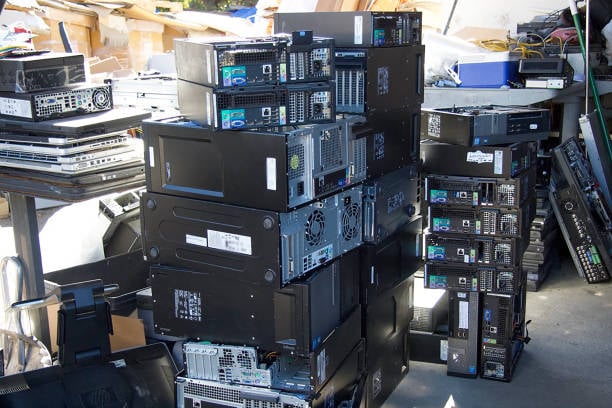
Technology refresh cycles continually generate outdated computers, laptops, servers, networking hardware, and storage devices. Without a structured disposal strategy, organizations may struggle to manage increasing volumes of retired equipment efficiently. Proper planning helps businesses organize collection, tracking, and recycling activities while reducing unnecessary operational challenges.
Reducing Business, Security, and Environmental Risks
Improper disposal of electronic equipment can expose organizations to security concerns and environmental responsibilities. Professional e waste management practices help businesses protect confidential information while ensuring electronic materials are processed using responsible recycling methods.
What Is E Waste Management?
E waste management refers to the structured process of handling electronic equipment from retirement through final recycling or material recovery.
Understanding the Enterprise IT Asset Lifecycle
Every IT asset progresses through procurement, deployment, maintenance, upgrades, retirement, and recycling. Managing each stage effectively helps organizations maximize equipment value while maintaining visibility throughout the lifecycle.
The Role of Responsible Electronics Recycling Services
Professional recycling providers help organizations securely collect, transport, process, and recycle electronic equipment according to recognized operational standards. Their services support responsible disposal while improving operational consistency.
Businesses looking for enterprise focused recycling solutions can rely on E-xpire to support secure IT asset management, electronics recycling, and responsible processing throughout the technology lifecycle.
What Are the Key Stages of an Enterprise E Waste Management Strategy?
A successful strategy includes several interconnected stages that improve operational control.
IT Asset Inventory and Lifecycle Planning
Organizations should maintain accurate records of hardware assets throughout their operational lifecycle. Inventory management helps identify equipment approaching retirement while supporting efficient planning for replacement and recycling.
Secure Collection and Asset Tracking
Professional providers establish secure collection procedures that include transportation planning, inventory verification, serial number tracking, and documented chain of custody. These processes improve accountability from pickup through processing.
Responsible Processing and Material Recovery
Electronic equipment contains valuable materials that can often be recovered through responsible recycling processes. Professional facilities separate reusable components while ensuring remaining materials are managed according to environmental best practices.
How Does Tech Waste Recycling Support Enterprise IT Operations?
Technology recycling contributes to both operational efficiency and long term sustainability.
Extending Value Throughout the IT Asset Lifecycle
A structured recycling strategy allows organizations to manage retired equipment in a controlled manner while supporting responsible asset retirement practices. Proper planning reduces unnecessary delays during IT refresh projects.
Supporting Sustainable Technology Management
Responsible electronics recycling supports corporate sustainability initiatives by reducing electronic waste and encouraging efficient resource recovery.
Reducing Waste Through Responsible Recycling Practices
Organizations requiring e waste recycling new york services should prioritize providers that offer secure handling procedures, enterprise asset tracking, and environmentally responsible recycling processes designed specifically for business technology equipment.
Why Should Businesses Partner With Professional E Waste Recycling Companies?
Working with experienced providers improves consistency, security, and operational efficiency.
Enterprise Experience and Secure Operational Processes
Professional recycling companies understand enterprise technology environments and implement structured operational procedures designed to support secure equipment handling.
Supporting Compliance and Risk Management
Experienced providers maintain documented processes that help businesses support internal governance objectives while reducing operational risk during equipment retirement.
Delivering Scalable Recycling Solutions for Large Organizations
Organizations with multiple offices or large equipment inventories benefit from scalable recycling services capable of supporting complex enterprise projects across various locations.
How Can Electronics Recycling Services Improve Business Efficiency?
Professional recycling services simplify IT asset retirement while improving operational visibility.
Streamlining IT Asset Retirement Projects
Coordinated project planning allows organizations to retire equipment efficiently while minimizing disruptions to ongoing business operations.
Supporting Secure Data Protection Before Recycling
Professional providers implement secure procedures before equipment enters recycling workflows, helping businesses maintain appropriate information protection throughout asset retirement.
Improving Visibility Through Asset Tracking and Reporting
Detailed reporting, inventory reconciliation, and documented processing records provide organizations with greater confidence and transparency during electronics recycling projects.
What Common Challenges Affect Enterprise E Waste Management?
Several operational challenges can affect successful e waste management programs.
Managing Large Volumes of Retired Equipment
Large organizations often retire significant quantities of equipment during technology refresh initiatives. Effective planning helps manage these projects efficiently.
Coordinating Multi-Site Asset Collection
Businesses operating across multiple facilities require coordinated logistics, standardized collection procedures, and centralized reporting to maintain consistency.
Maintaining Consistent Security and Compliance Standards
Standardized operational controls help ensure every location follows consistent procedures throughout collection, transportation, and recycling activities.
What Should CIOs and Sustainability Teams Consider When Building an E Waste Management Strategy?
Leadership teams should evaluate operational, security, and sustainability priorities together.
Aligning IT, Security, and Sustainability Objectives
Successful programs integrate technology management with information security, environmental responsibility, and operational efficiency to create a unified enterprise strategy.
Selecting the Right Enterprise Recycling Partner
Before selecting an outsourcing partner, businesses should evaluate certifications, enterprise experience, secure operational procedures, reporting capabilities, and service scalability.
Measuring Performance and Continuously Improving Processes
Organizations should regularly review asset tracking, project reporting, operational performance, and sustainability outcomes to strengthen future recycling initiatives.
Why Choose E-XPIRE for Enterprise E Waste Management?
Choosing an experienced enterprise recycling provider helps organizations simplify complex IT asset retirement projects.
End-to-End IT Asset Lifecycle and Electronics Recycling Services
E-XPIRE supports businesses throughout every stage of the IT asset lifecycle, from secure collection through responsible electronics recycling and material recovery.
Secure, Scalable Solutions Designed for Enterprise Organizations
Enterprise focused operational processes allow organizations to manage both routine technology refreshes and large scale equipment retirement projects with confidence.
Supporting Business Sustainability While Protecting Sensitive IT Assets
Businesses comparing providers can learn how a professional E-Waste Recycling Center securely manages enterprise electronics through structured operational processes, secure handling procedures, and responsible recycling practices.
Conclusion
Building an effective e waste management strategy helps organizations protect sensitive IT assets, improve operational efficiency, support regulatory objectives, and strengthen sustainability initiatives. By partnering with an experienced enterprise electronics recycling provider, businesses can manage retired technology securely while maintaining visibility throughout the entire asset lifecycle. A structured approach not only supports responsible recycling but also creates long term value for enterprise IT operations.
Ready to Connect? Contact E-XPIRE to discuss secure enterprise e waste management solutions.
FAQs
1. What is an enterprise e waste management strategy?
An enterprise e waste management strategy is a structured approach for managing retired IT assets through secure collection, tracking, recycling, and responsible material recovery while supporting business security and sustainability.
2. Why is e waste management important for businesses?
It helps organizations protect sensitive information, improve compliance, reduce environmental impact, and manage retired electronic equipment more efficiently.
3. What services do professional electronics recycling companies provide?
They typically offer secure collection, asset inventory management, chain of custody tracking, responsible electronics recycling, material recovery, and detailed reporting.
4. How does asset tracking improve electronics recycling?
Asset tracking improves visibility by documenting equipment throughout collection, transportation, processing, and final recycling, helping organizations maintain accurate records.
5. What should businesses consider when selecting an electronics recycling partner?
Businesses should evaluate enterprise experience, certifications, secure operational processes, compliance support, reporting capabilities, scalability, and responsible recycling practices before making a decision.


How Public Sector Organizations Can Modernize E-Waste Management Programs
Public sector organizations rely on technology to deliver essential services, manage records, and support daily operations. As computers, servers, networking equipment, and storage devices reach the end of their useful life, agencies must ensure they are disposed of securely and responsibly. Outdated technology often contains sensitive government information that requires proper handling before recycling or disposal. At the same time, public organizations must meet sustainability goals by reducing electronic waste and recovering valuable materials whenever possible. Implementing modern government IT recycling services enables agencies to securely retire obsolete equipment while protecting confidential data, maintaining regulatory compliance, and supporting environmentally responsible practices.
Why Modern E-Waste Management Matters for Public Sector Organizations
Government agencies manage thousands of technology assets throughout their operational lifecycle. Without a structured e-waste management program, retiring outdated equipment can create security, environmental, and compliance challenges.
The Growing Challenge of Government Electronic Waste
Technology upgrades occur regularly as agencies replace aging hardware with newer systems that improve efficiency and security. As a result, electronic waste continues to grow across public sector organizations.
Without standardized disposal procedures, retired equipment may accumulate in storage areas, increasing the risk of data exposure, asset loss, and inefficient resource management. A proactive e-waste management strategy ensures obsolete devices are processed securely and responsibly.
Balancing Sustainability With Data Security
Government organizations must balance environmental responsibility with strict information security requirements. Every retired device may contain confidential records, operational information, or sensitive government data that must be permanently removed before recycling.
Modern e-waste programs combine certified data destruction with environmentally responsible recycling to achieve both sustainability and security objectives.
What Are Government IT Recycling Services?
Government IT recycling services provide secure collection, processing, recycling, and disposal of retired technology assets while ensuring sensitive information is protected throughout the entire process.
Understanding the Government IT Asset Lifecycle
Every technology asset follows a lifecycle that begins with procurement and ends with secure retirement. During this lifecycle, equipment is deployed, maintained, upgraded, and eventually replaced.
Once devices reach the end of their operational life, they should be inventoried, evaluated, sanitized, recycled, or remarketed according to approved government procedures. Proper lifecycle management reduces waste while maintaining accountability for every asset.
How Certified Electronics Recycling Supports Public Agencies
Certified electronics recycling providers follow documented procedures for handling retired government equipment. These processes include secure collection, asset tracking, certified data destruction, environmentally responsible recycling, and detailed compliance reporting.
Working with certified providers helps agencies protect sensitive information while meeting environmental regulations and sustainability initiatives.
Building a Modern Government E-Waste Management Program
A successful program requires standardized processes that can be consistently followed across all departments and facilities.
Creating Standardized Asset Inventory and Disposal Procedures
Every disposal project should begin with a complete inventory of all retiring assets. Accurate records should include asset identification numbers, serial numbers, equipment type, assigned department, physical location, and data sensitivity.
Maintaining detailed inventories improves accountability while ensuring every device receives the appropriate handling and disposal procedures.
Establishing Clear Policies for Government Asset Disposal
Organizations should create written policies that define responsibilities, approval processes, transportation requirements, recycling standards, documentation procedures, and record retention requirements.
Consistent policies help reduce errors while improving compliance with government security and environmental regulations.
Securing Government Data Before Electronics Recycling
Protecting sensitive information remains the most important step before any electronic equipment enters the recycling process.
Government Hard Drive Shredding and Certified Data Destruction
Deleting files or formatting storage devices does not permanently eliminate confidential information. Certified data destruction methods ensure sensitive government data is permanently removed before equipment is recycled or reused.
When physical destruction is required, hard drive shredding provides an additional layer of protection by rendering storage media permanently unreadable. Working with E-XPIRE allows government organizations to benefit from certified data destruction processes supported by secure documentation and compliance reporting.
Maintaining Chain of Custody Throughout the Disposal Process
Every retired device should remain traceable from collection through final recycling or disposal. Chain of custody documentation records each movement, inspection, transportation event, and processing activity.
Maintaining complete visibility throughout the disposal process reduces the risk of misplaced assets while supporting regulatory audits and internal accountability.
Sustainable Strategies for E-Waste Removal in Government Offices
Modern e-waste management extends beyond disposal by focusing on resource recovery and long term sustainability.
Reducing Electronic Waste Through Reuse, Recovery, and Recycling
Not every retired device requires immediate recycling. Equipment that remains functional after certified data destruction may be suitable for internal redeployment or responsible remarketing.
Assets that have reached the end of their useful life should enter certified recycling programs where valuable materials are recovered while minimizing environmental impact.
Supporting Environmental Goals With Responsible Asset Management
Responsible asset management reduces landfill waste, conserves natural resources, and supports government sustainability objectives.
A structured approach also improves budgeting by maximizing the remaining value of technology assets before final disposal.
The Benefits of Certified Electronics Recycling
Certified recycling programs provide advantages that extend well beyond environmental protection.
Protecting Sensitive Government Information
Certified recycling providers implement strict security controls to ensure confidential government information is permanently destroyed before equipment is processed.
These procedures reduce the possibility of unauthorized access while supporting organizational cybersecurity objectives.
Improving Compliance, Transparency, and Environmental Performance
Detailed documentation, certified processing methods, and secure reporting improve regulatory compliance while demonstrating responsible environmental stewardship.
Transparent disposal processes also strengthen public confidence in government technology management practices.
Common E-Waste Management Mistakes Public Organizations Should Avoid
Avoiding common mistakes helps agencies strengthen both information security and environmental performance.
Improper Disposal of Government-Owned Technology Assets
Retiring equipment without certified data destruction or documented disposal procedures creates unnecessary security risks. Missing inventories and incomplete tracking also reduce accountability throughout the disposal process.
Standardized procedures ensure every asset receives appropriate handling from beginning to end.
Partnering With Non-Certified Recycling Providers
Choosing providers without recognized certifications or public sector experience may expose agencies to unnecessary compliance and security risks.
Organizations should carefully evaluate e waste recycling providers based on certifications, security controls, documented procedures, and government experience before selecting a long term partner.
How to Choose the Right Government IT Recycling Services Provider
Selecting the right provider plays a critical role in maintaining secure and sustainable e-waste management programs.
Certifications, Security Standards, and Public Sector Experience
Government organizations should prioritize providers with recognized industry certifications, secure facilities, documented chain of custody procedures, certified data destruction capabilities, and experience supporting public sector agencies.
These qualifications help ensure equipment is processed according to established security and environmental standards.
Questions to Ask Before Selecting an E-Waste Management Partner
Before choosing a provider, agencies should ask how assets are tracked, which data destruction methods are used, what certifications are maintained, how compliance documentation is delivered, and how environmental recycling standards are followed.
Comprehensive answers provide confidence that sensitive information will remain protected throughout the disposal process.
Why Public Sector Organizations Choose E-XPIRE
Government agencies require trusted partners capable of securely managing technology retirement while supporting compliance and sustainability objectives.
Secure Government IT Recycling Services With Certified Electronics Recycling
E-XPIRE delivers secure government IT recycling services through certified electronics recycling, comprehensive asset tracking, secure transportation, certified data destruction, and detailed reporting. Every stage follows documented procedures that protect sensitive government information.
Government Asset Disposal Solutions Focused on Compliance, Security, and Sustainability
E-XPIRE combines secure asset disposition, certified recycling, environmental responsibility, and compliance support into a complete lifecycle solution. This integrated approach helps public sector organizations simplify e-waste management while reducing security risks and supporting long term sustainability goals.
Conclusion
Modern e-waste management programs enable public sector organizations to securely retire outdated technology while protecting sensitive information and supporting environmental responsibility. Standardized asset inventories, certified data destruction, secure chain of custody, responsible recycling, and experienced service providers all contribute to a successful government e-waste strategy. By adopting these best practices, agencies can improve compliance, strengthen cybersecurity, and achieve long term sustainability objectives. To learn more about secure government IT recycling solutions, contact the E-XPIRE team today.
FAQs
1. What are government IT recycling services?
Government IT recycling services provide secure collection, certified data destruction, responsible recycling, and compliant disposal of retired government technology assets.
2. Why is certified data destruction important before electronics recycling?
Certified data destruction permanently removes sensitive government information from storage devices before they are reused or recycled, reducing the risk of data exposure.
3. How does chain of custody improve e-waste management?
Chain of custody documents every stage of asset handling, transportation, and processing, ensuring complete accountability throughout the disposal lifecycle.
4. What are the benefits of certified electronics recycling?
Certified electronics recycling protects confidential information, supports regulatory compliance, reduces environmental impact, recovers valuable materials, and improves transparency.
5. How should government organizations choose an IT recycling provider?
Organizations should evaluate certifications, public sector experience, secure facilities, documented chain of custody procedures, certified data destruction capabilities, environmental compliance, and reporting processes before selecting a provider.